Why the World Feels Faster — And Why Humans Are Slowing Down
🔹 INTRO
Every week, technology accelerates.
AI improves. Tools automate. Systems optimize.
And yet, something opposite is happening quietly:
humans are slowing down.
This episode explores a paradox shaping our time:
The world is speeding up — but people are intentionally stepping back.
This isn’t laziness.
It’s adaptation.
Episode 7 connects deeply with:
- Episode 3 (Lifestyle & society shifts)
- Episode 5 (Hidden weekly patterns)
- Episode 6 (What’s coming next)
1. Speed Has Reached Its Human Limit



For decades, speed was celebrated:
- Faster internet
- Faster communication
- Faster production
- Faster growth
But biology hasn’t changed.
The human nervous system still processes:
- emotion
- meaning
- stress
- decision-making
at the same pace it always has.
The insight
We didn’t reach a technology limit —
we reached a human limit.
This explains:
- burnout
- anxiety
- decision fatigue
- digital exhaustion
2. The Rise of “Intentional Slowness”
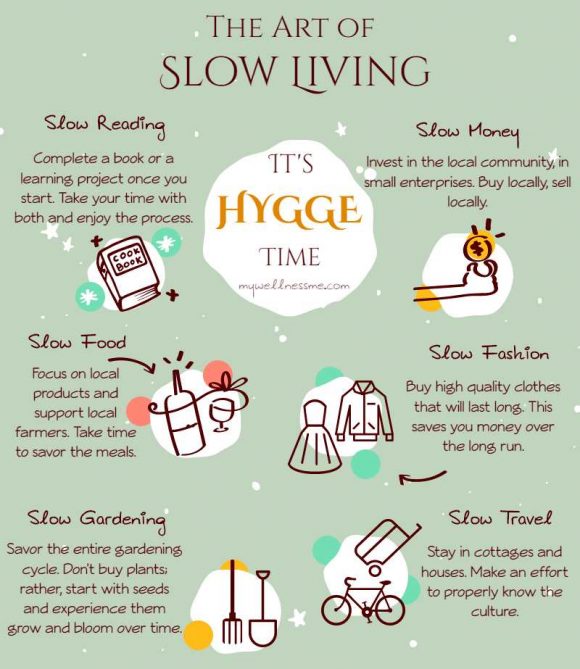


People aren’t rejecting progress.
They are curating it.
You can see it everywhere:
- fewer apps
- fewer notifications
- structured routines
- time-boxed work
- deliberate rest
This is not anti-tech behavior.
It’s tech with boundaries.
Deeper meaning
Slowness is becoming a luxury skill —
the ability to choose where your attention goes.
3. Why AI Is Actually Causing Humans to Slow Down


AI is removing:
- repetitive work
- mental clutter
- administrative load
Which creates something rare:
cognitive space.
When machines handle speed, humans reclaim:
- thinking
- reflection
- creativity
- judgment
Paradox explained
AI accelerates systems
→ humans decelerate life
→ balance is restored
This is not regression.
It’s evolution.
(Episode 4 & 6 hinted at this — here’s the meaning.)
4. Society Is Rewriting the Definition of “Success”



Old success meant:
- more hours
- more hustle
- more output
New success looks like:
- clarity
- sustainability
- health
- learning
- autonomy
People are asking:
“Can I sustain this for 10 years?”
If not — it’s no longer success.
5. What This Means for the Future
The next decade will reward people who:
- design their days
- protect attention
- work with AI, not against it
- value health over speed
- choose depth over noise
This shift is subtle — but permanent.
6. What This Means for You
- Don’t chase speed — delegate it
- Let tools handle urgency
- Keep your thinking slow, deliberate, human
- Design your week, don’t react to it
- Measure success in energy, not output