
Managing waste for a large gathering of 100–300 people over one or two weeks is not simple. It involves high volumes of food waste, plastic, mixed waste, sanitary waste, and recyclables.
When the event is located out of the city, challenges increase: limited municipal pickup, no formal disposal systems, and the risk of environmental pollution.
This guide gives you a real, proven, field-tested waste management plan used in:
- Camps
- Retreats
- Corporate offsites
- Spiritual programs
- Educational camps
- Wedding stays
- Volunteer retreats
⭐ Why Proper Waste Management Is Critical for Multi-Day Events
According to:
- CPCB – Central Pollution Control Board
- United Nations Environment Programme (UNEP)
Events of 150–300 people generate approx 200–350 kg of mixed waste per day without segregation.
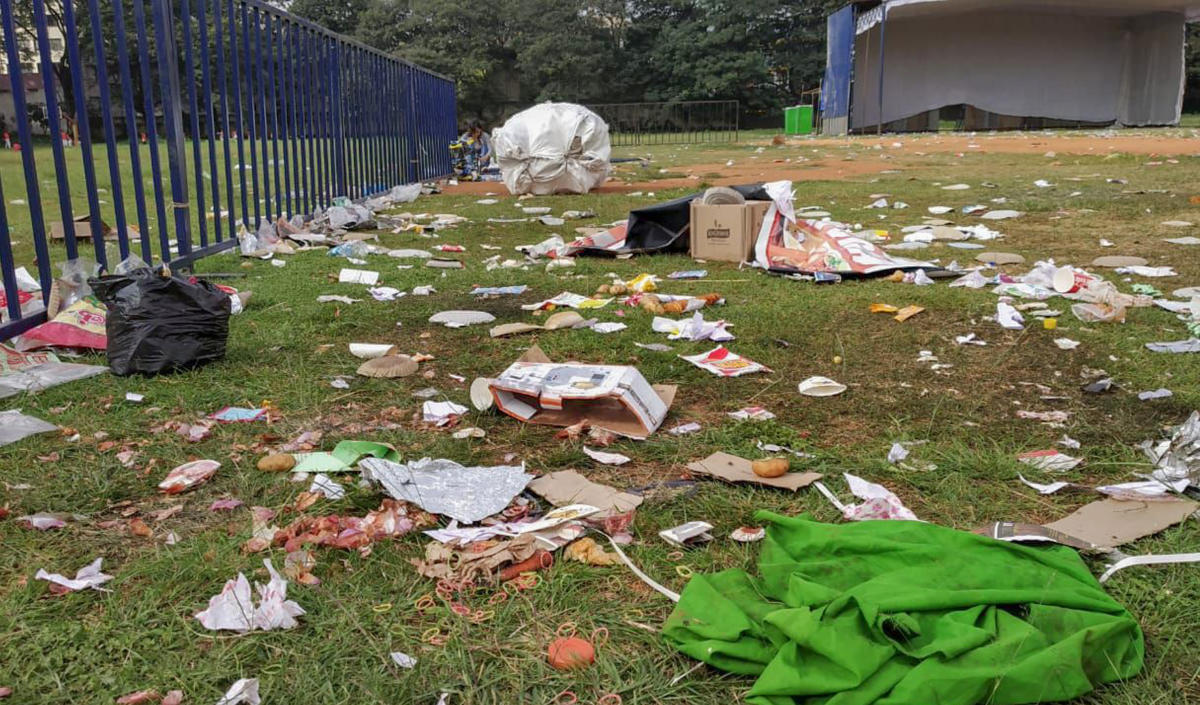
If not managed responsibly, this leads to:
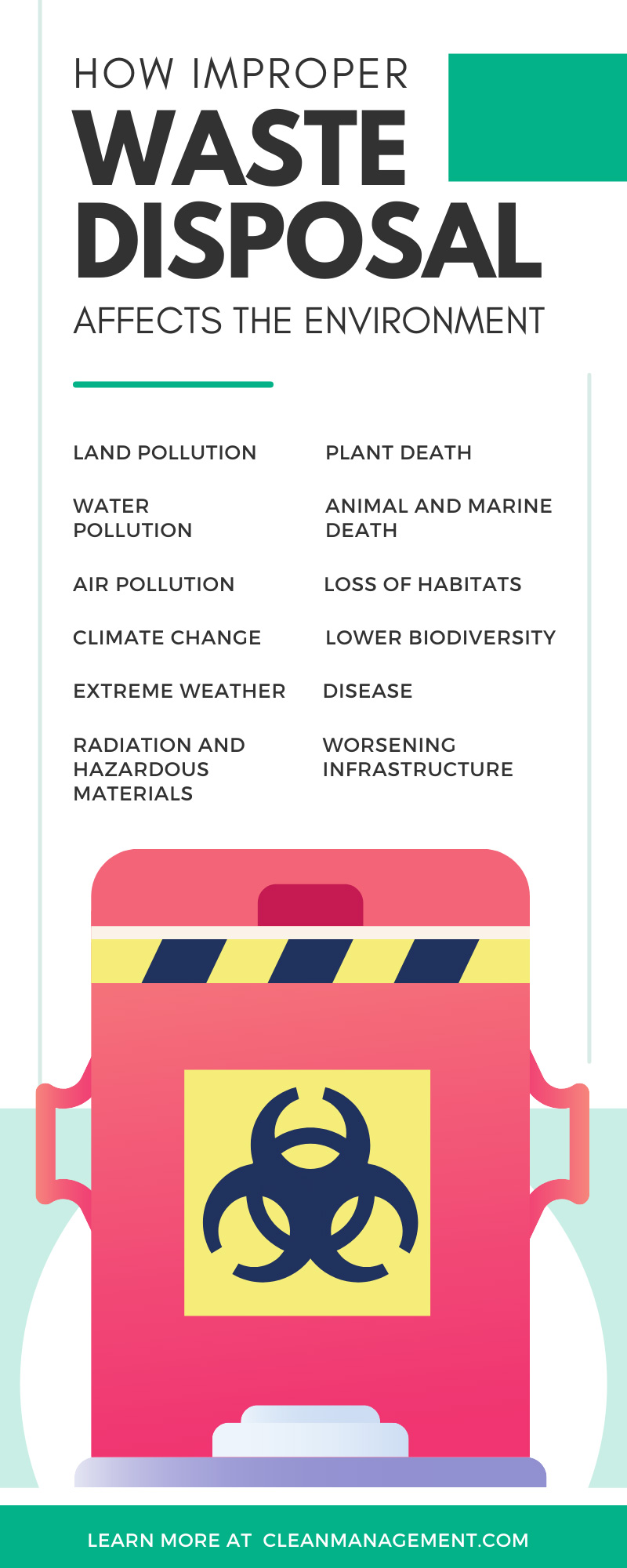
- Ground pollution
- Rodent & insect infestation
- Bad odour
- Health hazards
- Environmental harm to rural lands
- Difficulty cleaning after the event
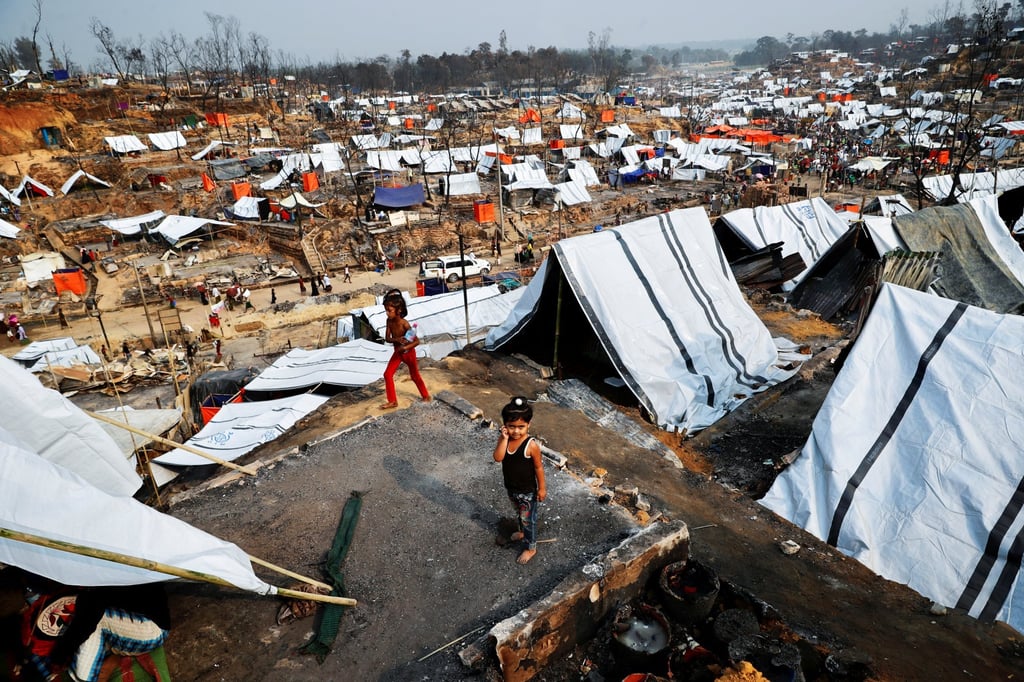
A planned system avoids all of this.
For smaller home events and daily use, you can also read my Backyard Dump Zone Setup Guide, which shows how to create a zero-smell waste zone in any home.
📊 Waste Generation Estimate for 100–300 People (1–2 Weeks)
✔️ Daily Waste Estimate (based on CPCB & MoEFCC averages)
| Waste Type | Approx. per Person | Total for 100–300 People |
|---|---|---|
| Food/Kitchen Waste | 300–500g | 30–150 kg/day |
| Dry Waste (plastic, wrappers) | 100–150g | 10–45 kg/day |
| Paper/Cardboard | 50–120g | 5–36 kg/day |
| Sanitary Waste | 5–10g | 0.5–3 kg/day |
| Total Daily Waste | — | 45–234 kg/day |
✔️ For 1–2 Weeks (7–14 days)
Total waste can be:
3150 kg – 3276 kg (3.1 to 3.2 tonnes)
A proper system is mandatory.
🧩 Essential Components of an Off-City Waste System
- Central Waste Management Yard (Main dump zone)
- Decentralised collection bins (spread across event site)
- Compost area for all food waste
- Temporary recycling storage unit
- Sanitary waste incineration or sealed containers
- Daily logistics plan & manpower structure
Let’s break this down.
🏕️ 1. Setting Up the Central Waste Management Yard
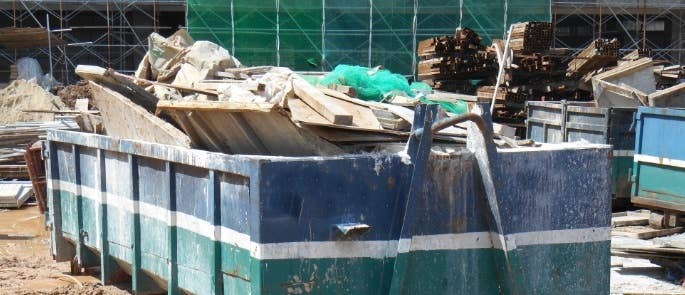
Ideal Yard Size
25 ft x 25 ft for 100–150 people
40 ft x 30 ft for 150–300 people

Must Include
- Roofed compost area
- Dry waste warehouse (covered)
- Sanitary waste container
- Reject waste pit (closed)
- Washing area with running water
- Security nets (dogs, rodents)
Ground Preparation
- 2-inch gravel layer
- Slight drainage slope
- Bamboo or tin-sheet roof
Not every event needs a large temporary yard. If you are hosting small gatherings or short stays, my guide on creating a backyard waste zone will help you manage kitchen and dry waste easily.
🍃 2. Kitchen Waste Composting Zone


Recommended System: Large Drum Composters
For 100–300 people:
- 6 to 12 drums (200–250L each)
Scientific Ratio
1 part food waste
3 parts carbon (dry leaves, shredded cardboard, sawdust)
Daily Process
- Collect food waste from kitchen & dining area
- Add dry leaves layer
- Sprinkle microbial culture (EM solution)
- Seal the drums
Why Effective
- Zero smell
- Fast decomposition
- Rodent-proof
- Minimal manpower
- Based on FAO & Swachh Bharat composting standards
🟦 3. Dry Waste & Recycling Zone


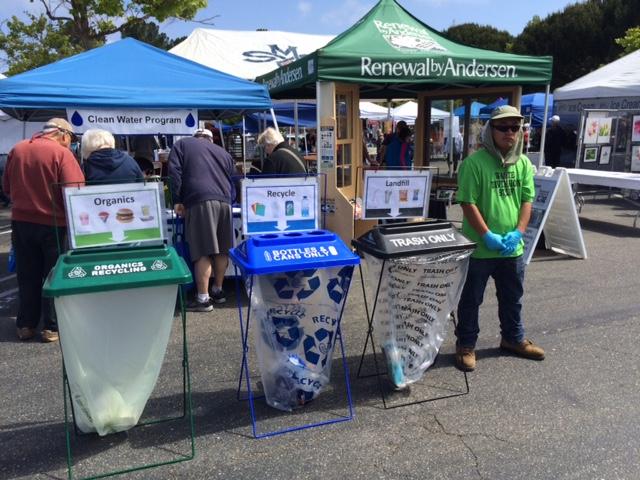
Required Categories
- Blue: Recyclables
- Yellow: Paper / cardboard
- Green: Reusable items
- Black: Reject waste
Store recyclables for weekly pickup by:
- Scrap dealer (kabadi)
- Local recycler
- NGO like SWaCH, Saahas, ReCircle
Storage
Keep dry waste in:
- Gunny bags
- Large crates
- Stackable bins
- Sheltered ventilation area
🚺 4. Sanitary Waste Management (Critical)


DO NOT mix with other waste.
For 100–300 people:
- Provide sanitary bins in all toilets
- Use double-sealed sanitary waste bags
- Store in sealed drums
- Arrange weekly municipal pickup or tie-up with local PHC
If allowed locally:
- Use electric sanitary napkin incinerator (eco-certified)
🍽️ 5. Decentralised Waste Collection Points
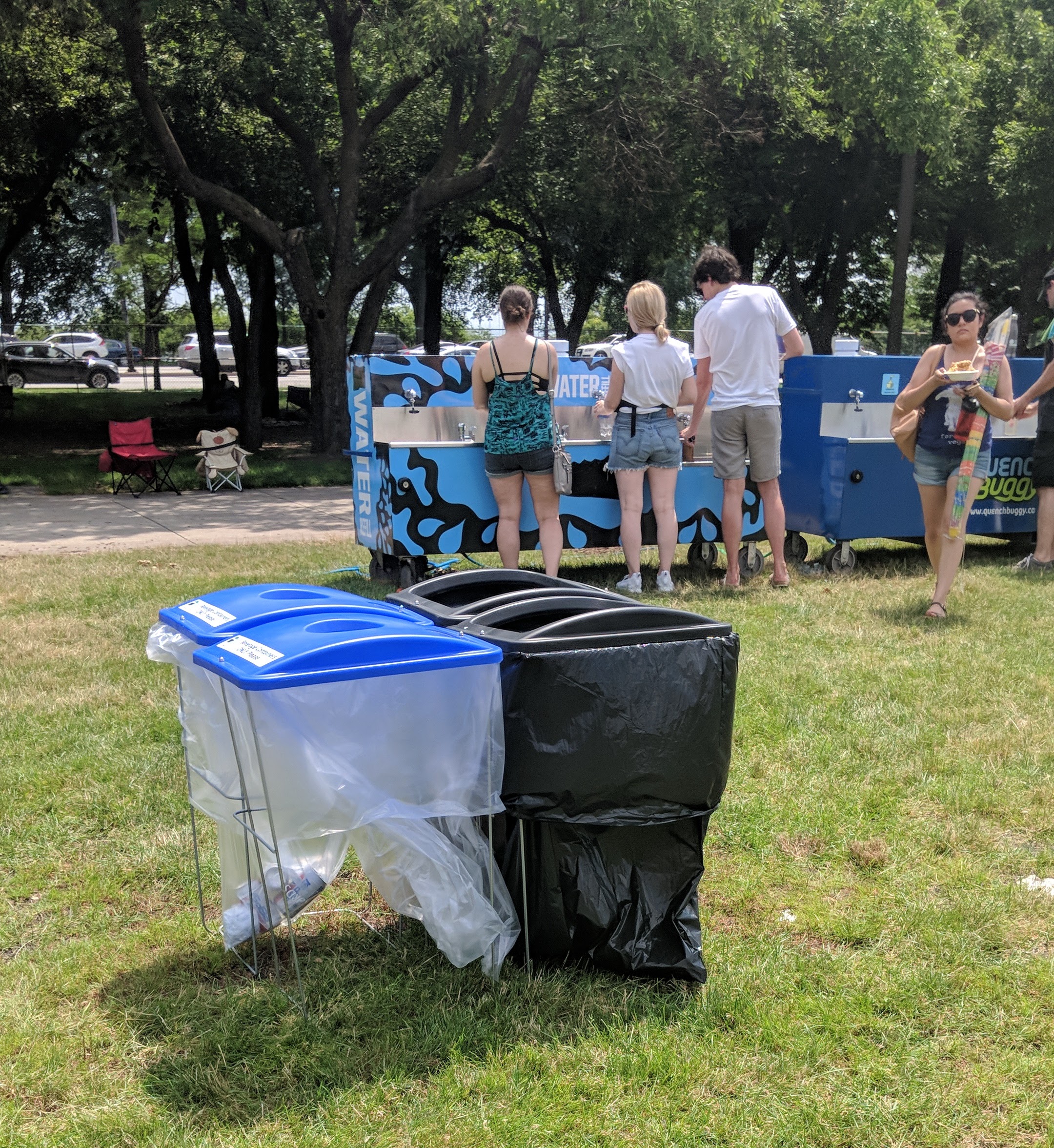
Place 3-bin stations across:
- Dining area
- Accommodation tents/rooms
- Activity zones
- Parking area
Best Layout
1 waste station per 25–30 people
Total needed for 300-people event: 10–12 stations
Bin Types
- Wet
- Dry
- Reject
👷 6. Manpower Requirement
For 100–150 people
2–3 people full-time
For 150–300 people
4–6 people full-time
Roles:
- Waste collectors
- Compost team
- Dry waste sorting
- Night closure team
📅 7. Daily Waste Management Routine

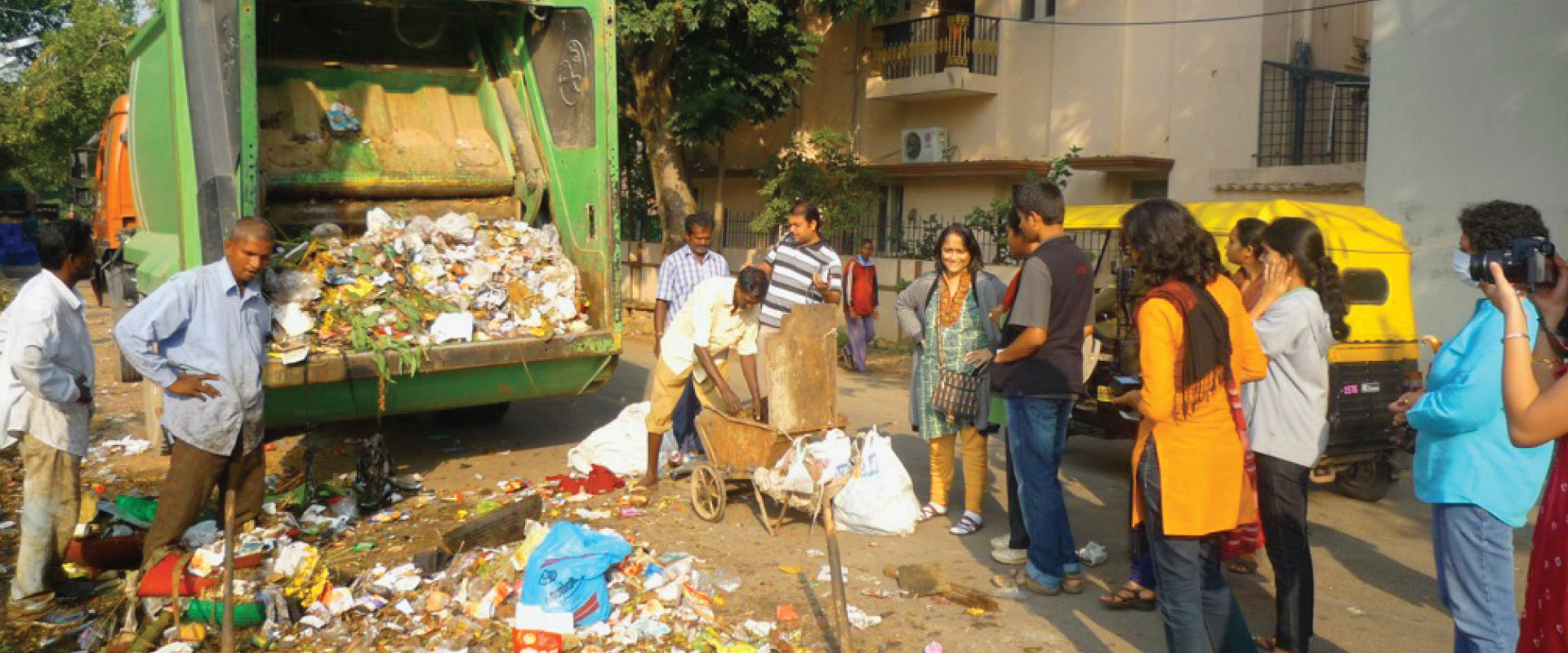
Morning (8 AM)
- Collect previous night’s waste
- Open compost drums for aeration
- Sort dry waste
Afternoon (2 PM)
- Second round of collection
- Add dry leaves to compost
Evening (8 PM)
- Last collection round
- Wash bins & close stations
- Sanitary waste sealing
Night (10 PM)
- Final closure of yard
- Cover all drums & bins
- Spray bioenzyme
🧪 8. Odour & Insect Control (Scientifically proven)
Use:
- Neem powder
- Bokashi bran
- Bioenzyme spray
- Lime powder
- Camphor diffuser
- Mosquito mesh
Backed by:
- BARC Composting Guidelines (India)
- FAO Organic Waste Standards
🚛 9. Final Disposal Plan After 1–2 Weeks
✔️ Compost drums stay on-site (they continue processing)
✔️ Recyclables taken by scrap dealer
✔️ Reject waste taken to authorized landfill
✔️ Sanitary waste pickup by PHC/municipality
✔️ Area disinfected using bioenzyme + bleach
🌱 Long-Term Environmental Benefits
According to UNEP & CPCB:
- Composting reduces methane emissions by 35–40%
- Recycling plastic saves 70% energy
- Segregation reduces landfill load by 65–80%
- Clean sites reduce vector-borne diseases
Your event becomes eco-responsible, compliant & safe.
If you’re looking for a simpler setup for single-day or home-based events, check out my Complete Backyard Solid Dump Zone Guide.
It shows an easy 3-zone system you can build in your home in just a few hours.