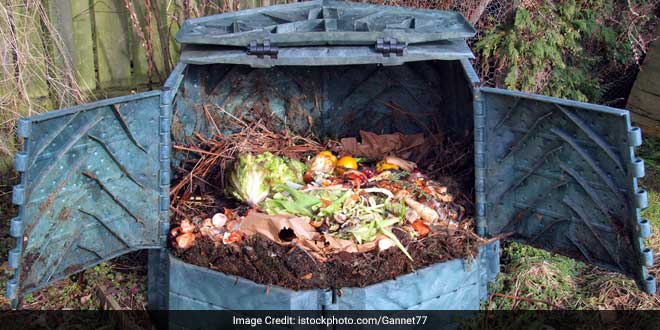
Managing waste during house events can quickly become chaotic—overflowing bins, insects, smell, and the burden of cleaning the next morning. A Backyard Solid Dump Zone solves all of this.
If you’re planning a bigger gathering with 100–300 people for multiple days, check out my complete guide on large-scale event waste management for out-of-city locations. It explains how to set up a temporary waste yard and manage 1–2 weeks of waste effectively.
This guide will teach you exact, real-life methods to set up a clean, safe, and legally responsible waste handling zone at home.
This system works perfectly for:
✔️ Home functions
✔️ Parties
✔️ Family gatherings
✔️ Daily kitchen waste
✔️ Small community events
Let’s build a zero-smell, hygienic, environment-friendly waste zone.
⭐ Why a Backyard Dump Zone Is Important

A dedicated waste zone helps:
- Prevent smell & insect infestation
- Avoid mixing recyclables with food waste
- Reduce landfill contribution
- Produce natural compost for plants
- Keep event space clean and presentable
- Make next-morning cleanup effortless
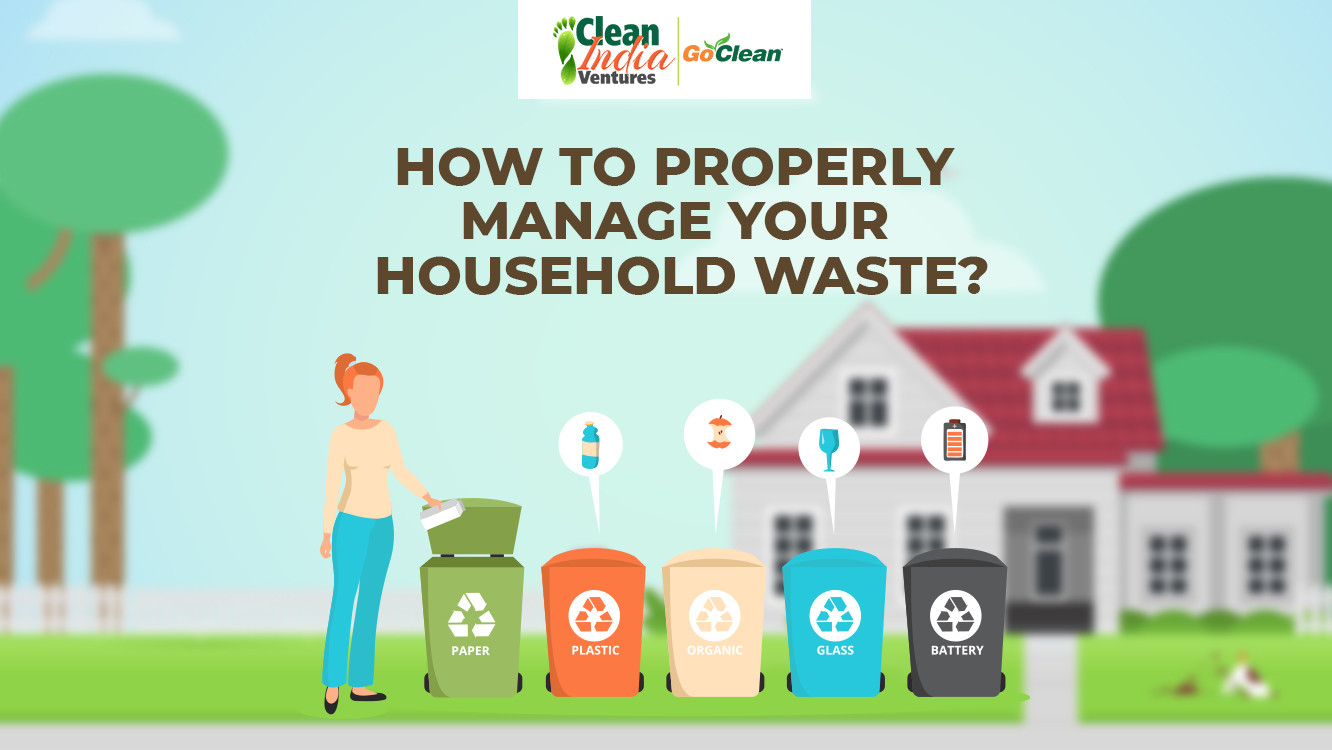
According to the Ministry of Environment, Forest and Climate Change (MoEFCC), source segregation (separating wet, dry, and sanitary waste) reduces up to 70% of landfill load.
🧩 The 3-Zone Dump System (Scientifically Proven)
Every effective waste system includes three zones:
- Kitchen Waste / Compost Zone
- Dry & Generic Waste Zone
- Wash & Sanitisation Zone
This structure is based on Solid Waste Management Rules, 2016 (India) and global zero-waste home practices.
🟩 1. Kitchen Waste Zone – Composting Area

This zone handles:
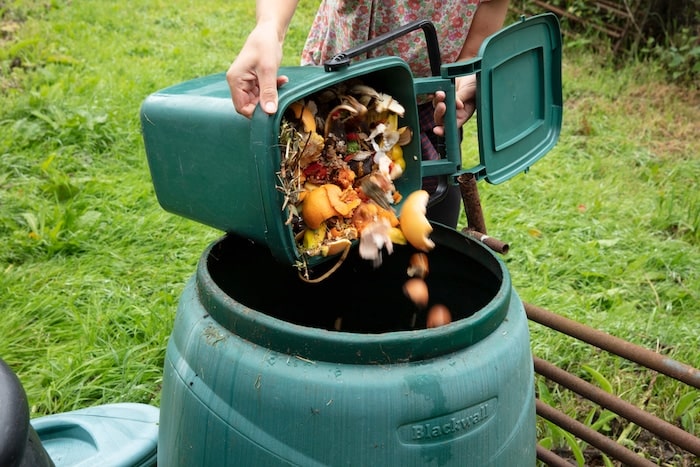
- Food scraps
- Vegetable peels
- Leftover cooked food (small quantity)
- Floral waste
- Tea leaves, coffee grounds

✔️ Materials Needed
- 2–3 Plastic drums (200L) or a brick chamber
- Dry leaves / cocopeat / sawdust
- Bricks to elevate drums
- Mesh for insect protection
- A simple roof (tarp or tin sheet)
✔️ Real-Life Setup Steps
- Drill 10–12 holes around the drum for airflow.
- Elevate drum on bricks for ventilation (mandatory to prevent foul smell).
- Add a layer of dry leaves at the base.
- Add kitchen waste daily.
- Always top with 3X quantity dry leaves (carbon source).
- Close the lid tightly to avoid insects.
✔️ Scientific Proof
The ratio 1 part nitrogen (food waste) : 3 parts carbon (dry leaves) is recommended by:
- UN Food & Agriculture Organization
- Swachh Bharat Mission – Composting Guidelines
This ratio prevents smell, maggots, and slow composting.
Handling waste for bigger events requires a different approach. For multi-day retreats or camps, here’s the complete 100–300 people waste management plan you can follow.
🟦 2. Dry Waste & Generic Waste Zone
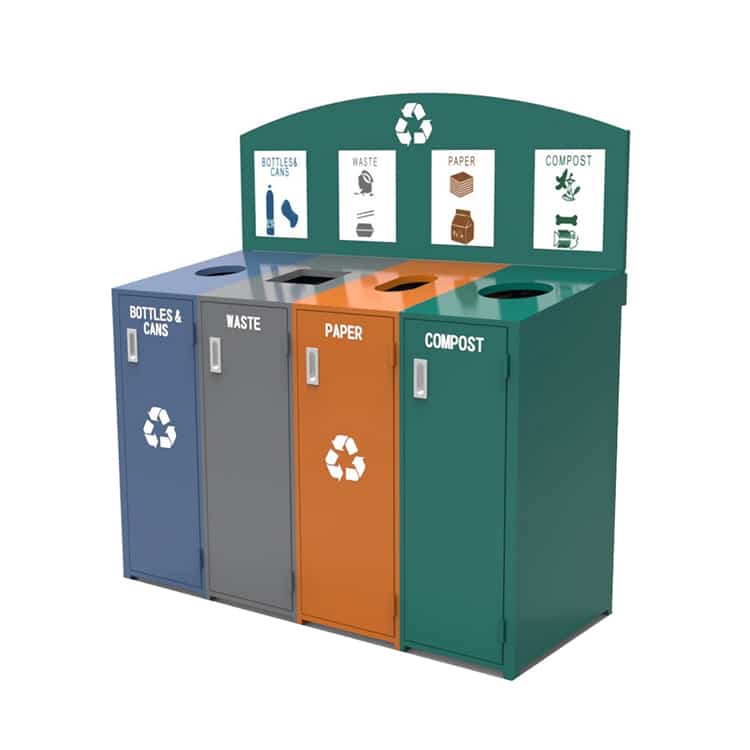
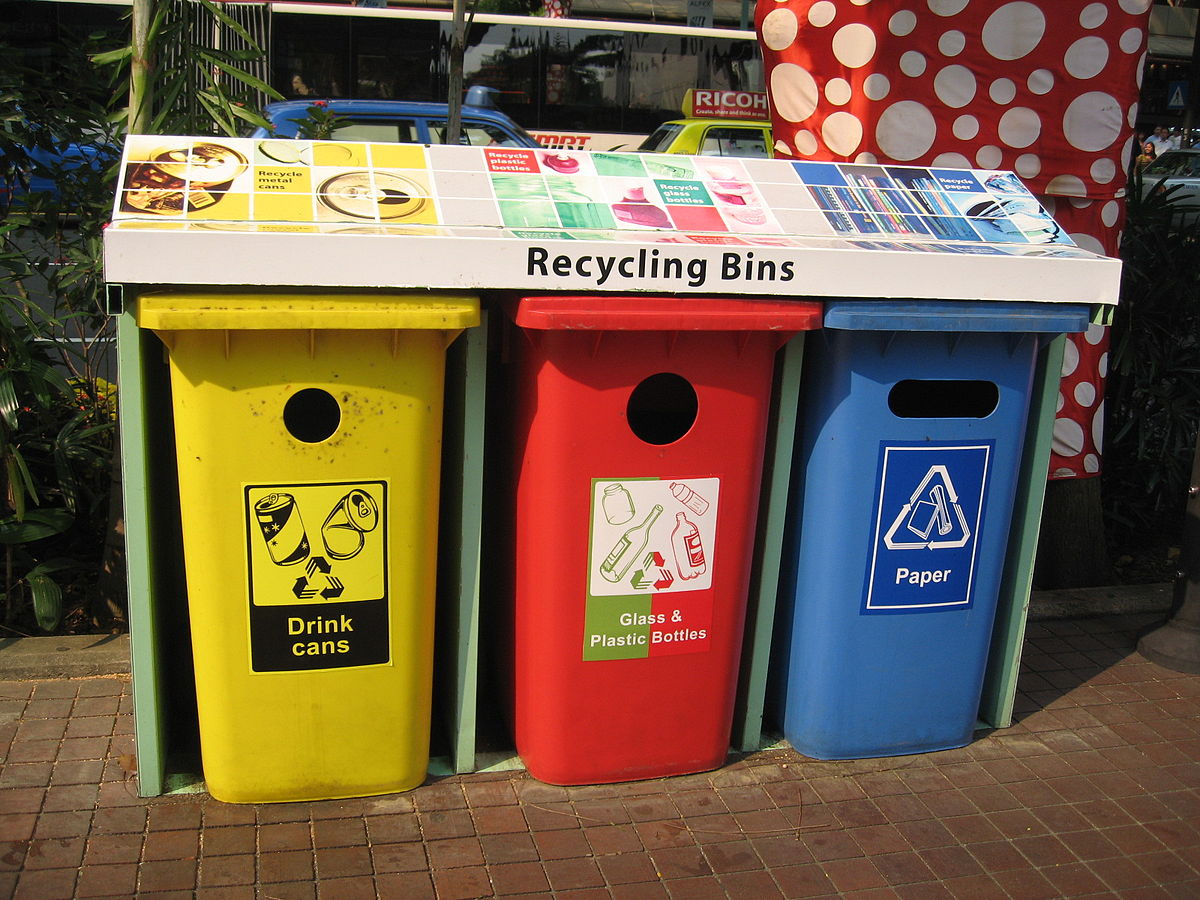
This zone handles:
- Plastic bottles
- Tetra packs
- Glass
- Cardboard
- Metal cans
- Plastic wrappers
- Thermocol
✔️ How to Set Up
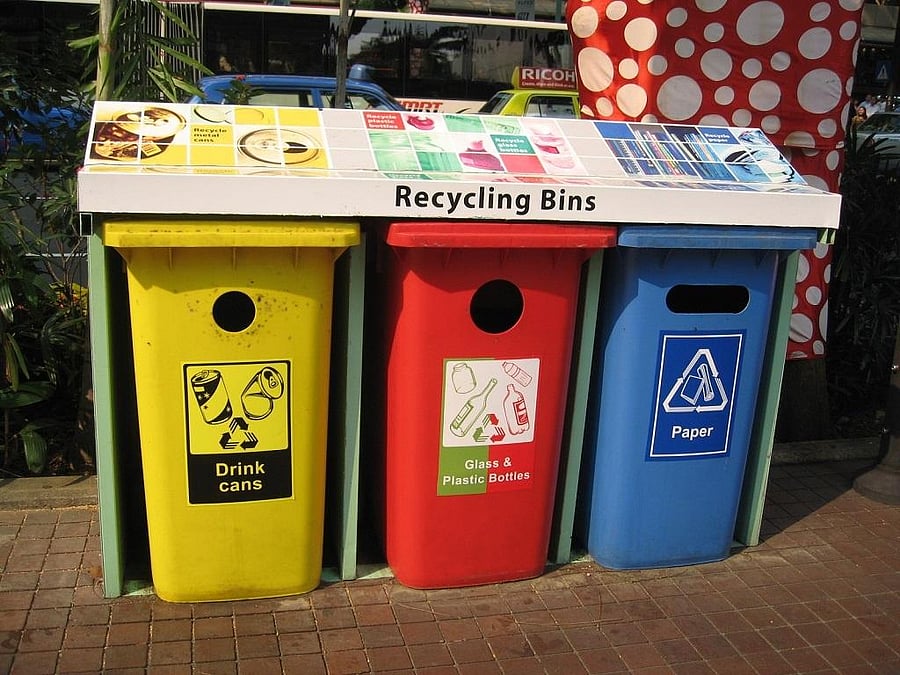
- Use 3 bins:
- Blue: Recyclable
- Black: Non-recyclable
- Red: Reject waste / sanitary waste
- Place bins on wooden pallets to prevent moisture and rats entering.
- Use a mesh cover to avoid flies and animals.
✔️ Practical Tip
Mixing wet waste with dry waste makes 90% of recyclables useless (Source: Central Pollution Control Board).
Your segregation ensures they remain clean and sellable.
💦 3. Wash & Sanitisation Zone

✔️ Components
- Water drum with tap
- Washing tub
- Gloves & brush
- Bio-enzyme disinfectant spray
- Floor with a slight slope for drainage

✔️ Why this is essential
This zone prevents food particles from rotting in the dump zone and helps keep the backyard bacteria-free.
🎉 Event-Day Waste Management Plan
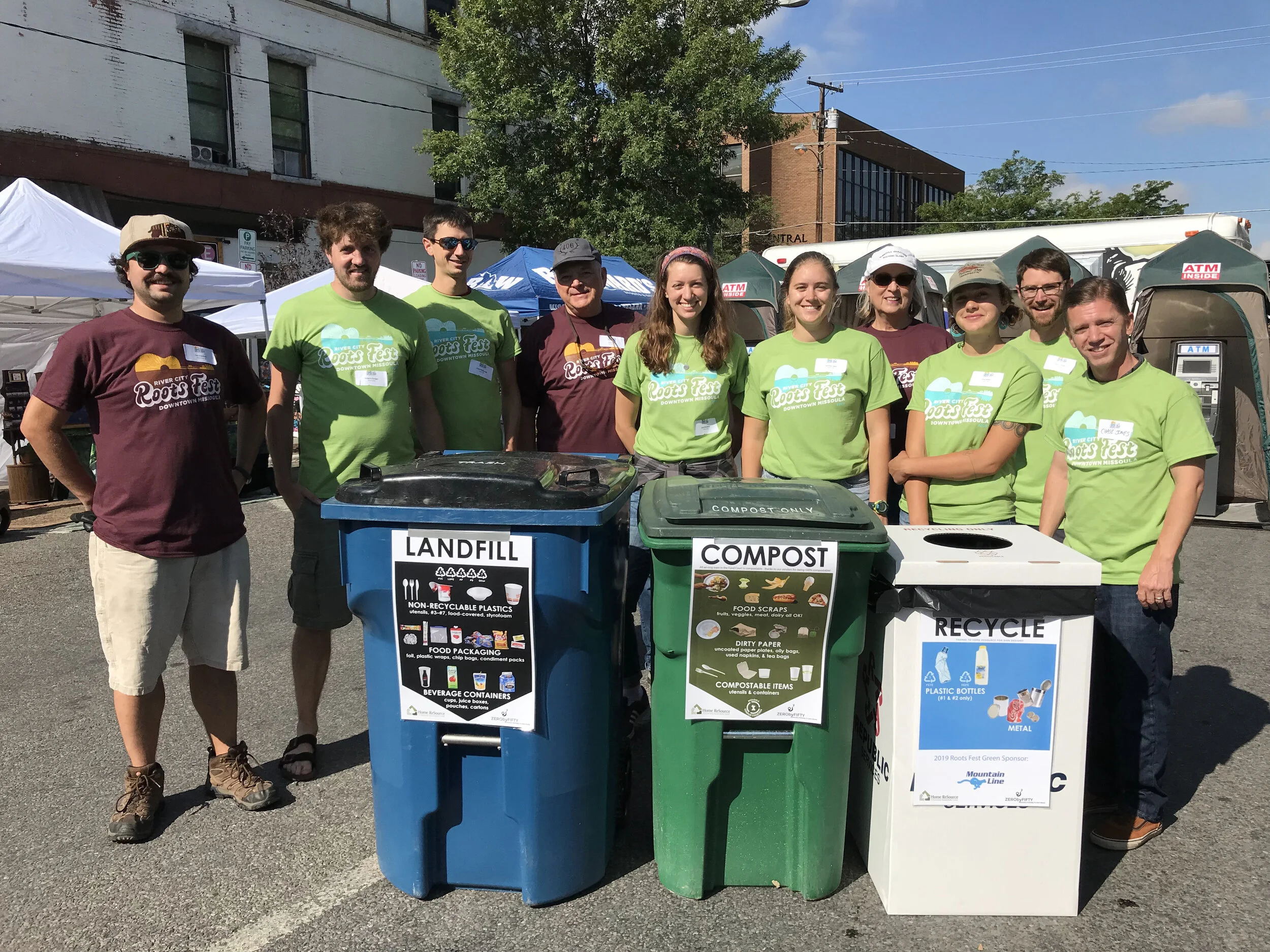
✔️ Strategy for Smooth Operation
- Keep waste counters inside event area.
- Assign 1–2 volunteers to shift waste every 2 hours to backyard zone.
- Keep extra dry leaves and sanitiser ready.
✔️ Why it’s important
The National Green Tribunal states only segregated waste should be stored longer than 24 hours at home.
This event-day routine ensures compliance.
🌙 Night Shutdown Routine
Before sleeping:
- Close all bin lids
- Cover compost drums
- Clean floor with disinfectant
- Tie bags of recyclables
- Remove food spills
This prevents animals, rodents, and insects from entering the area at night.
🔁 Weekly Maintenance Checklist

✔️ Turn compost bin
✔️ Spray bioenzyme (neutralises odour)
✔️ Sell recyclables to scrap dealer
✔️ Clean dry waste zone floor
✔️ Use bleaching powder on edges for insects

Compost Harvest Time
You can expect ready compost in 60–90 days, depending on weather.
🌱 Environmental Impact of Setting Up This Dump Zone
According to CPCB & MoEFCC data, a home-level waste segregation system:
- Cuts food waste going to landfill by 60–80%
- Reduces methane emissions by 25–35%
- Produces natural compost, reducing chemical fertilizer use
- Keeps recyclables clean & valuable
- Prevents vector-borne diseases (mosquitoes, flies)
This is one of the most effective home-level sustainability actions.
Going beyond backyard waste management?
Read the detailed guide for managing waste for 100–300 people during a 1–2 week outdoor event — perfect for retreats, weddings, and residential camps.
ai base color capacitor css download error February fixed founder free frontend future of work guide gujarat hooks how html india india-state indiastate indiaterritory interview islands javascript laravel learning map Mark Zuckerberg mumbai nextjs performance psychology php react reactjs Sharing social media Social Platform solved state state-india svg svg-map territory train like gold vercel