🌍 WORLD IN MOTION — Episode 9

Last week, we explored quiet skills, human slowing, and the deeper meaning behind global acceleration.
This week continues that arc — but looks forward.

The coming days will not be defined by dramatic headlines.
They will be shaped by attention shifts, subtle technology changes, and how humans manage energy, not time.

Episode 9 is a forward-looking guide to what will quietly shape the next 7 days — across technology, work, money, science, and daily life.

This episode builds directly on:

Let’s decode what’s moving next.

1. ATTENTION WILL BECOME THE REAL BATTLEGROUND

What’s shifting this week

More people will consciously:

  • mute notifications
  • reduce app usage
  • restructure daily routines
  • block focused work windows

This isn’t a productivity trend — it’s self-defense.

Why this matters

The modern problem is no longer lack of information.
It’s excess stimulation.

People are realizing that:

  • attention = mental energy
  • mental energy = quality of life

The deeper pattern

The next wave of tools, content, and habits will be designed to:

  • protect focus
  • reduce cognitive noise
  • simplify choices

Expect more conversations around attention hygiene, not productivity hacks.


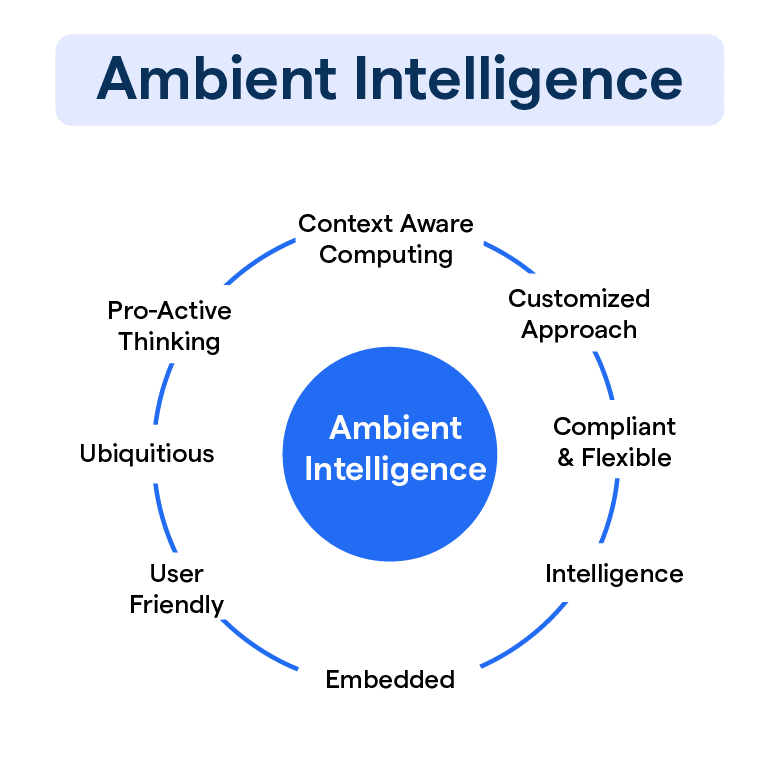
2. TECHNOLOGY WILL MOVE TOWARD “INVISIBLE ASSISTANCE”
What to expect

Instead of flashy updates, technology will quietly:

  • auto-organize information
  • summarize decisions
  • suggest next steps
  • reduce manual effort

Why this matters

The future of tech is not more screens.
It’s less friction.

The best technology will:

  • disappear into the background
  • support without demanding attention
  • feel calm, not loud

Connection to earlier episodes

  • Episode 4 showed AI becoming capable
  • Episode 6 showed it becoming active
  • This week shows it becoming subtle

The goal is not speed — it’s ease.


3. WORK WILL SHIFT FROM OUTPUT TO ENERGY MANAGEMENT

What’s changing

More people are questioning:

  • “How long can I sustain this pace?”
  • “Does this work drain or energize me?”

Work conversations are moving from:

  • hours worked →
  • energy preserved

Why this matters

High output with low energy is unsustainable.
Sustainable work is becoming the real metric of success.

The deeper insight

The future favors people who:

  • work in cycles
  • rest intentionally
  • design their days
  • stop glorifying exhaustion

This aligns directly with Episode 7’s slowdown theme.


4. MONEY & VALUE WILL BECOME MORE PERSONAL

What’s emerging

People are becoming more selective about:

  • what they buy
  • what they subscribe to
  • what they support

Value is being redefined as:

  • usefulness
  • longevity
  • alignment with lifestyle

Why this matters

The economy is shifting from:

  • mass consumption →
  • intentional spending

This affects:

  • digital products
  • subscriptions
  • creators
  • micro-businesses

People will pay — but only for what truly fits their life.


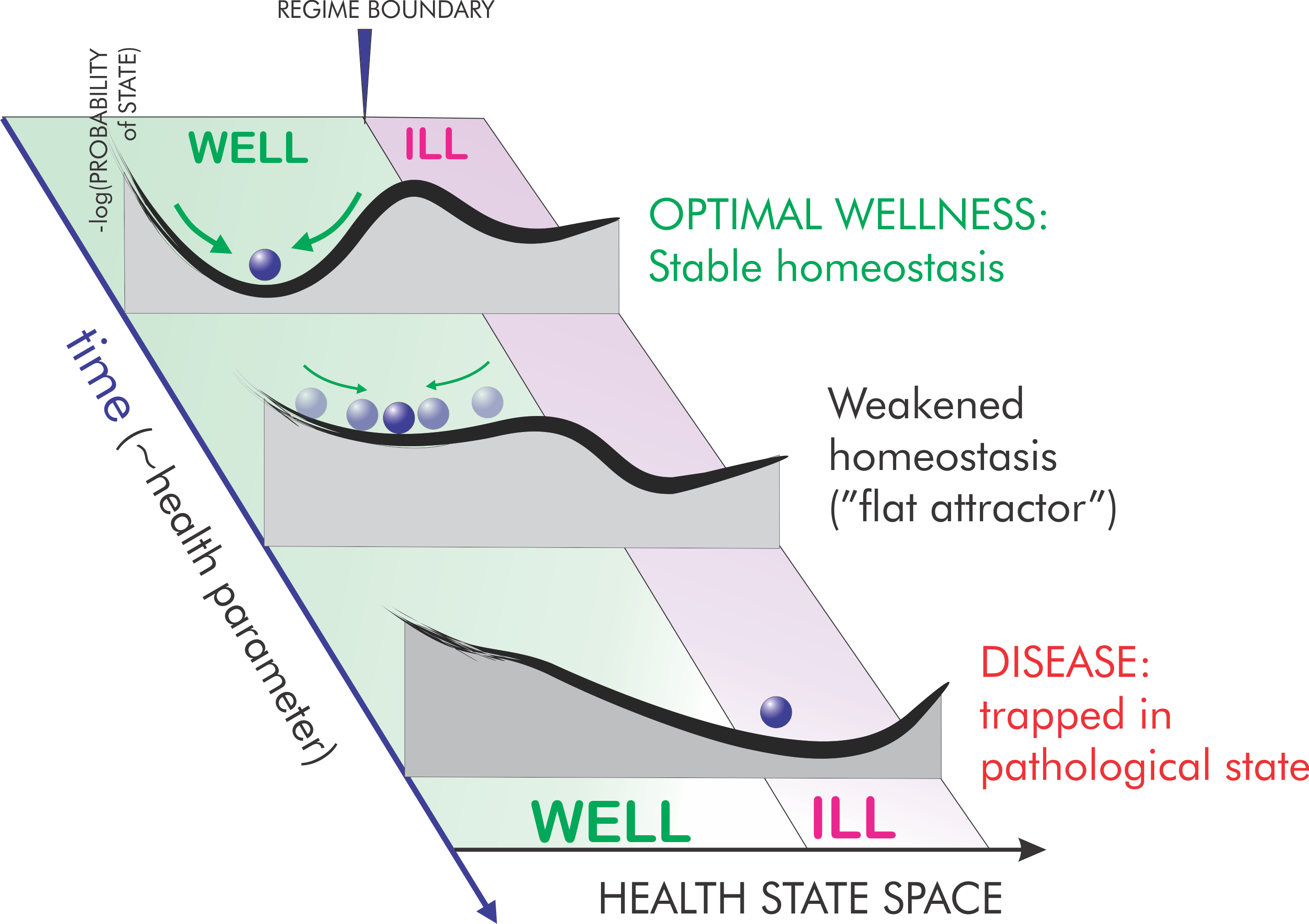
5. SCIENCE & HEALTH WILL FOCUS ON PREVENTION, NOT REACTIONz
https://miro.medium.com/1%2ADgaSWokae5jRpbsQzSx3qg.png?utm_source=chatgpt.com

What’s becoming visible

Health conversations are increasingly about:

  • early signals
  • stress patterns
  • sleep quality
  • recovery cycles

Not illness — but imbalance.

Why this matters

The future of health is:

  • awareness before breakdown
  • adjustment before damage

This week, expect more discussion around:

  • lifestyle-linked health
  • mental clarity
  • emotional regulation

This continues the healthspan narrative from Episode 2 and Episode 5.


6. SOCIETY IS QUIETLY MOVING TOWARD SIMPLICITY

https://i0.wp.com/wisconsinhomesteader.com/wp-content/uploads/2022/02/is-it-possible-to-live-a-simple-life-in-todays-world.jpg?resize=683%2C1024&ssl=1&utm_source=chatgpt.com

What you’ll notice

More people are:

  • simplifying routines
  • choosing fewer commitments
  • spending time offline
  • prioritizing depth over volume

Why this matters

Complexity creates stress.
Simplicity creates clarity.

Society is not rejecting progress —
it’s filtering it.

This is not a trend.
It’s a correction.


7. WHAT THIS WEEK ASKS FROM YOU

Instead of doing more, this week asks you to:

  • Protect your attention
  • Let technology assist quietly
  • Design work around energy, not urgency
  • Spend intentionally
  • Notice early health signals
  • Choose simplicity where possible

These are small shifts — but powerful ones.


🔗 CONTINUE THE SERIES

If this episode resonated, you may want to read:

  • Episode 8: The Quiet Skills That Will Matter More Than Talent
  • Episode 7: Why the World Feels Faster — And Why Humans Are Slowing Down
  • Episode 6: The Week Ahead — Patterns to Watch

📌 FINAL THOUGHT

The future is not louder.
It’s calmer, more intentional, and more human.

Those who learn to navigate this shift early will not just survive change —
they’ll feel at home in it.

The visuals used in this article are intended for illustrative purposes only. Images are either original creations, digitally produced visuals, or sourced from royalty-free image libraries that allow commercial usage. Visuals are used to support editorial storytelling and do not imply affiliation, endorsement, or factual representation.

🌍 WORLD IN MOTION — Episode 8

The Quiet Skills That Will Matter More Than Talent

🔹 INTRO

The future won’t belong to the smartest people.
Or the fastest.
Or even the most technical.

It will belong to those with quiet skills
skills that don’t trend, don’t go viral, and don’t show up on resumes easily.

Episode 8 closes the week by focusing on human advantage.

1. Attention Control Is the New Intelligence

In a world of infinite information:

  • focus = power

Those who can:

  • stay with one problem
  • ignore noise
  • think deeply

will outperform those with higher IQ but scattered attention.


2. Judgment Beats Knowledge

AI knows everything.
Humans decide what matters.

Judgment means:

  • choosing what to ignore
  • sensing timing
  • reading context
  • understanding consequences

This skill grows only through:

  • reflection
  • experience
  • slowing down

3. Emotional Regulation Is a Career Skill

The future workplace is uncertain, fast, and ambiguous.

People who can:

  • stay calm
  • think under pressure
  • recover quickly
  • communicate clearly

will naturally lead — regardless of title.


4. Learning How to Learn Matters More Than What You Know

Skills expire.
Learning ability compounds.

The winners:

  • learn in small loops
  • adapt fast
  • unlearn quickly
  • stay curious

This is the real long-term edge.


5. Meaningful Work Is Becoming a Filter

People are quietly asking:

“Does this matter?”

Work without meaning drains faster than hard work with purpose.

This is why:

  • side projects grow
  • creator economy expands
  • micro-businesses rise

(Episode 4 & 5 connect strongly here.)


6. What This Means for Your Life (Friday Reflection)

Ask yourself:

  • What drains me even if I’m “good” at it?
  • What gives me energy even when it’s hard?
  • Where can AI help me do less — so I can think more?
  • What quiet skill do I want to build next?

The future rewards self-awareness.


🔗 Internal reading

For AI & work context → Episode 4

For weekly signals → Episode 6

For deep global meaning → Episode 5

ai base color capacitor css download error February fixed founder free frontend future of work guide gujarat hooks how html india india-state indiastate indiaterritory interview islands javascript laravel learning map Mark Zuckerberg mumbai nextjs performance psychology php react reactjs Sharing social media Social Platform solved state state-india svg svg-map territory train like gold vercel

🌍 WORLD IN MOTION — Episode 4

AI, Money & Human Future — The Transformations You Can’t Ignore

Here is the deep, enriched, premium version of Episode 4 — expanded with actionable insight, context and futuristic clarity.


1. AI & HUMAN LIFE — A New Relationship Has Started

1. AI Agents Are Becoming “Action Workers,” Not Just Chatbots

AI can now:

  • Execute tasks
  • Trigger workflows
  • Manage calendars
  • Handle emails
  • Edit and post content
  • Search and extract data from files

Deep Insight:
AI is shifting from being a thinking partner to a doing partner.
Within 1–3 years, most people will have AI agents doing 20–40% of their digital work.


2. AI Will Manage the Repetitive Tasks of Your Life

Here’s what AI will soon automate:

  • Sorting notifications
  • Summarizing messages
  • Drafting reports
  • Updating spreadsheets
  • Creating content outlines
  • Preparing travel summaries
  • Managing contacts & reminders

Why it matters:
Humans can invest more time in strategy, creativity and decision-making — the skills that define success.


3. Personal AI Profiles Will Become Your Second Identity

Your AI will eventually learn:

  • Your voice
  • Your writing tone
  • Your preferences
  • Your behavior pattern
  • Your learning style
  • Your goals

Deep Insight:
AI won’t just help you — it will represent you in digital systems.


2. MONEY FUTURES — How the Global Economy Is Quietly Transforming

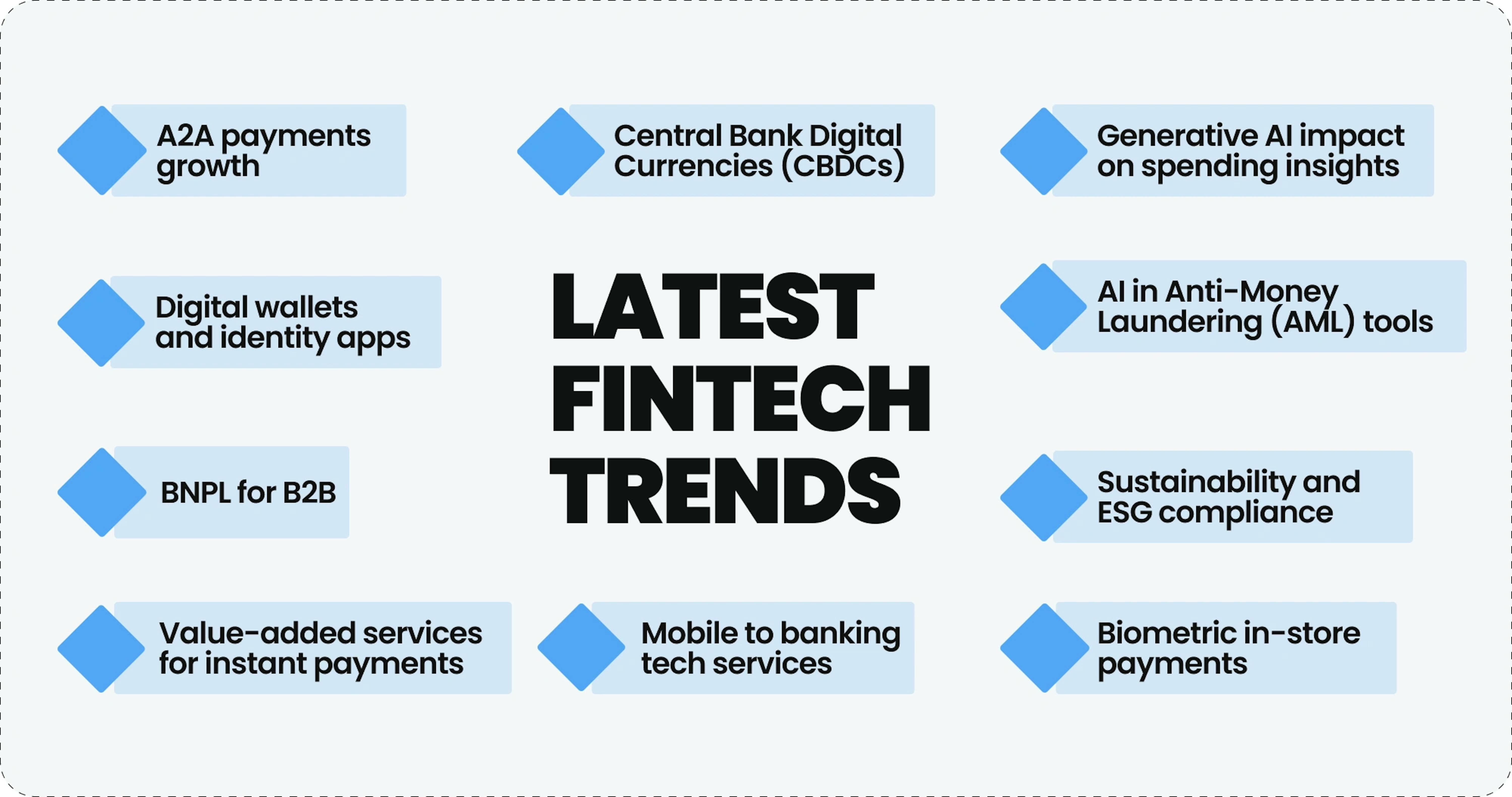
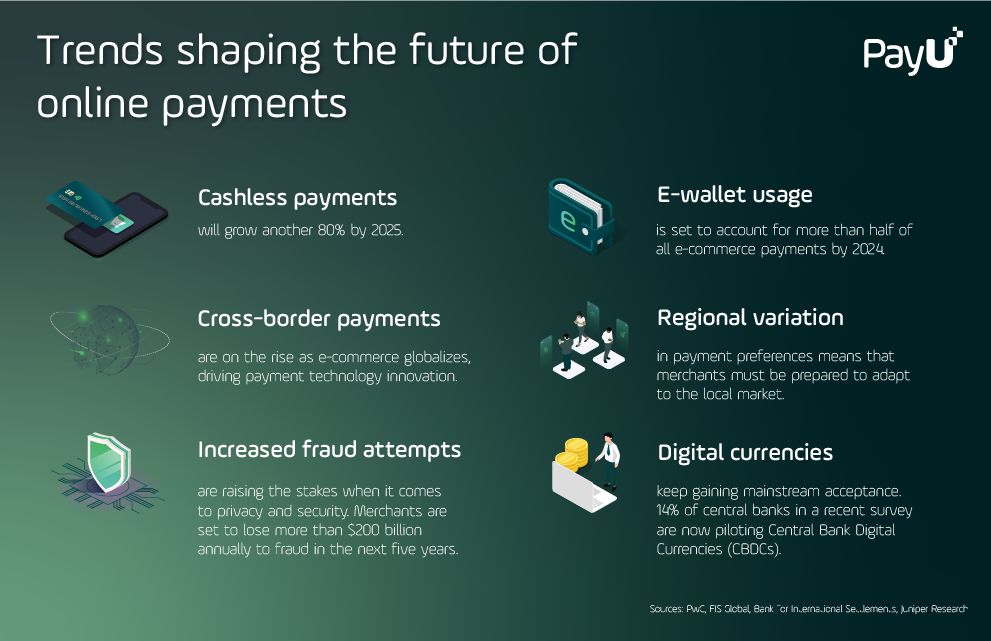
1. Money Movement Becomes Instant & Borderless

Countries are accelerating:

  • Unified QR systems
  • Cross-border instant payments
  • Government-backed digital currencies
  • AI-driven fraud detection

Deep Insight:
Global money flow will become as easy as sending a WhatsApp message.


2. The Micro-Economy Is Exploding

People all over the world now earn through:

  • AI-assisted small services
  • Selling templates
  • One-task micro-jobs
  • Online classes
  • Paid WhatsApp channels
  • Digital reviews
  • Short consulting sessions

Why:
People want independence, not just employment.
AI has removed the barrier to starting small businesses.


3. Subscription & Membership Models Are Taking Over

Consumers are used to:

  • Streaming plans
  • Tool subscriptions
  • Learning memberships
  • Fitness communities
  • Premium content

For individuals & businesses, recurring value = recurring income.


3. FUTURE WORK & SKILLS — What Will Actually Matter

https://humanresourcesonline-assets.b-cdn.net/article_images/core-skills-in-2025-across-the-world/1736816585_growing%20and%20declining%20skills.png?utm_source=chatgpt.com

1. Thinking Skills Now Matter More Than Technical Skills

Non-automatable skills:

  • Problem solving
  • Judgment
  • Creativity
  • Communication
  • Pattern recognition
  • Critical analysis

Deep Insight:
Technical skills evolve quickly, but thinking skills outlive technology cycles.


2. AI-Augmented Roles Will Replace Traditional Roles

Roles will evolve into:

  • AI-boosted marketers
  • AI-supported educators
  • AI-driven analysts
  • AI-enabled designers
  • AI-assisted content creators

Why:
AI enhances your speed and reach, not your identity.


3. Proof-of-Work Portfolios Will Outrank Degrees

People will showcase:

  • Case studies
  • Client wins
  • Projects
  • AI-augmented work samples
  • Micro-credentials

Companies want evidence, not paper.


4. HUMAN FUTURE — Emotional & Social Transformation

1. Meaning is Becoming More Important Than Success

People are shifting from:

  • “How much did I earn?” → “What did I build or learn?”
  • “What do I have?” → “Who am I becoming?”

This is especially strong among youth.


2. Wellness Will Soon Be Fully Data-Driven

Your devices will track:

  • Stress load
  • Mood variation
  • Hormone imbalance
  • Sleep depth
  • Recovery cycles

Deep Insight:
We are entering the era of personalized wellness algorithms.


3. Communities Will Become Digital Families

People increasingly rely on:

  • Learning groups
  • Support circles
  • Habit communities
  • Knowledge-sharing tribes

Why:
Connection is moving from location-based to interest-based.


5. What This Means for You

  • Learn AI tools as a basic skill.
  • Start one micro-income source.
  • Build a digital portfolio (Notion/website).
  • Track your sleep + mood + habits.
  • Join a community in your field or interest.

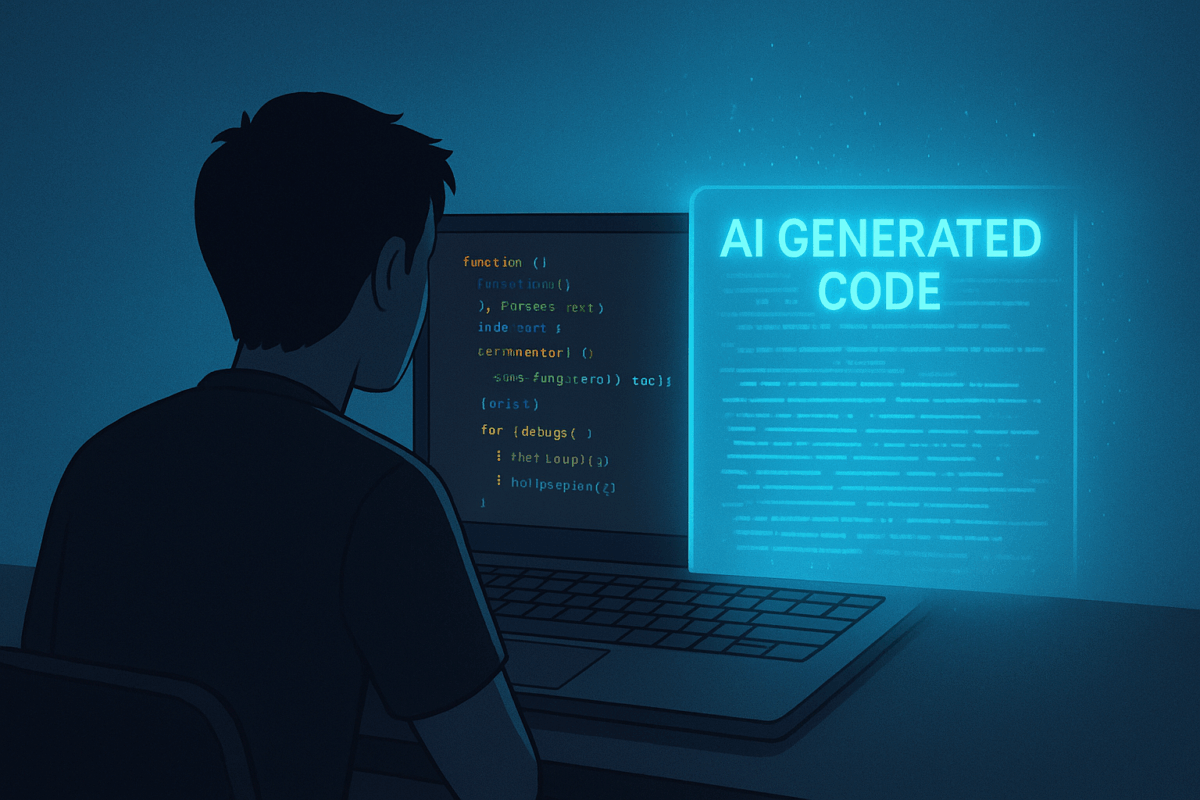
🚀 From College Frustrations to AI Writing Code: I Saw This Coming

Back then, I was just another guy in college, buried in assignments, projects, and endless debugging.

Every time I sat in front of the screen, I had the same thought running in my head:

“Why the hell can’t this be automated?”

I wasn’t dreaming about sci-fi robots or some fantasy tech. I just wanted the machine to help me.
I was tired of writing boilerplate code. Tired of repeating the same logic in slightly different ways. Tired of wasting hours on things that felt like they should’ve taken minutes.

Somewhere deep down, I kept asking myself — what if one day, I could just tell the computer what I wanted, and it would do the rest?

At the time, it felt crazy. A daydream. Something impossible.


🌱 Early Work Days: The Same Thought Followed Me

When I started working, the thought never left.
Meetings, tasks, deadlines — everything was moving fast, but the work still felt like it had friction.

Write. Debug. Rewrite. Test. Fix.
On loop.

I remember wishing, almost every week, “there has to be a smarter way.”


⚡ And Then… AI Happened

Fast forward to the last few years.

AI exploded.
Tools started rolling out that could:

  • Generate functions from a single line of English.
  • Suggest fixes before I even asked.
  • Explain code clearer than half the documentation I’d spent hours digging through.

The exact thing I used to imagine during late-night coding sessions? It’s here.
It’s real.
And it’s getting better every single day.


🖥️ What It Feels Like Now

For me, it’s a strange mix of relief and validation.

Relief — because those repetitive, frustrating parts of coding finally have shortcuts.
Validation — because the “crazy thought” I had back in college wasn’t crazy at all.

AI is not replacing developers. It’s amplifying them.
It’s letting us focus more on solving problems, designing smarter systems, and creating — rather than drowning in repetitive tasks.


🔮 Looking Back, Looking Ahead

What I once thought was just a wild idea in my head has turned into everyday reality.

And here’s the real kicker: the future you imagine today might not be so far away.

So if you’re sitting there, tired of something, wishing there was a better way — don’t ignore it.
That frustration might just be pointing toward the next big thing.

Because that’s exactly how I felt years ago.
And now? AI writes code.