Behind every technological breakthrough and global event lies something deeper — human behavior.
In 2026, the way people think, connect, and experience the world is evolving rapidly. Culture is becoming more global, attention is becoming more valuable, and experiences are becoming the center of life.
This final part explores how people themselves are changing.
📱 The Attention Economy
In today’s world, attention is one of the most valuable resources.
Platforms like Instagram and YouTube are competing to capture and retain user engagement.
Content is becoming shorter, faster, and more engaging. Creators are emerging as powerful influencers, shaping opinions and trends across industries.
This shift has created a new kind of economy — one where visibility and engagement translate directly into opportunity.
🌏 Global Culture Is Blending
Cultural boundaries are becoming less defined.
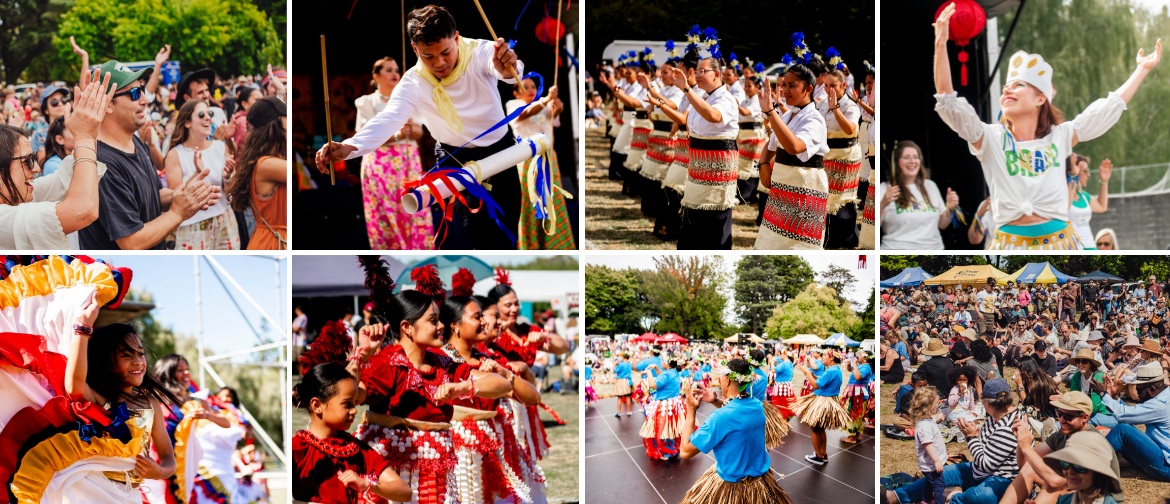
Music, food, fashion, and ideas are traveling faster than ever, creating a blended global culture. What starts as a local trend can quickly become a global phenomenon.
This exchange is enriching societies while also creating new challenges around identity and authenticity.
✈️ Travel and Digital Nomad Lifestyle
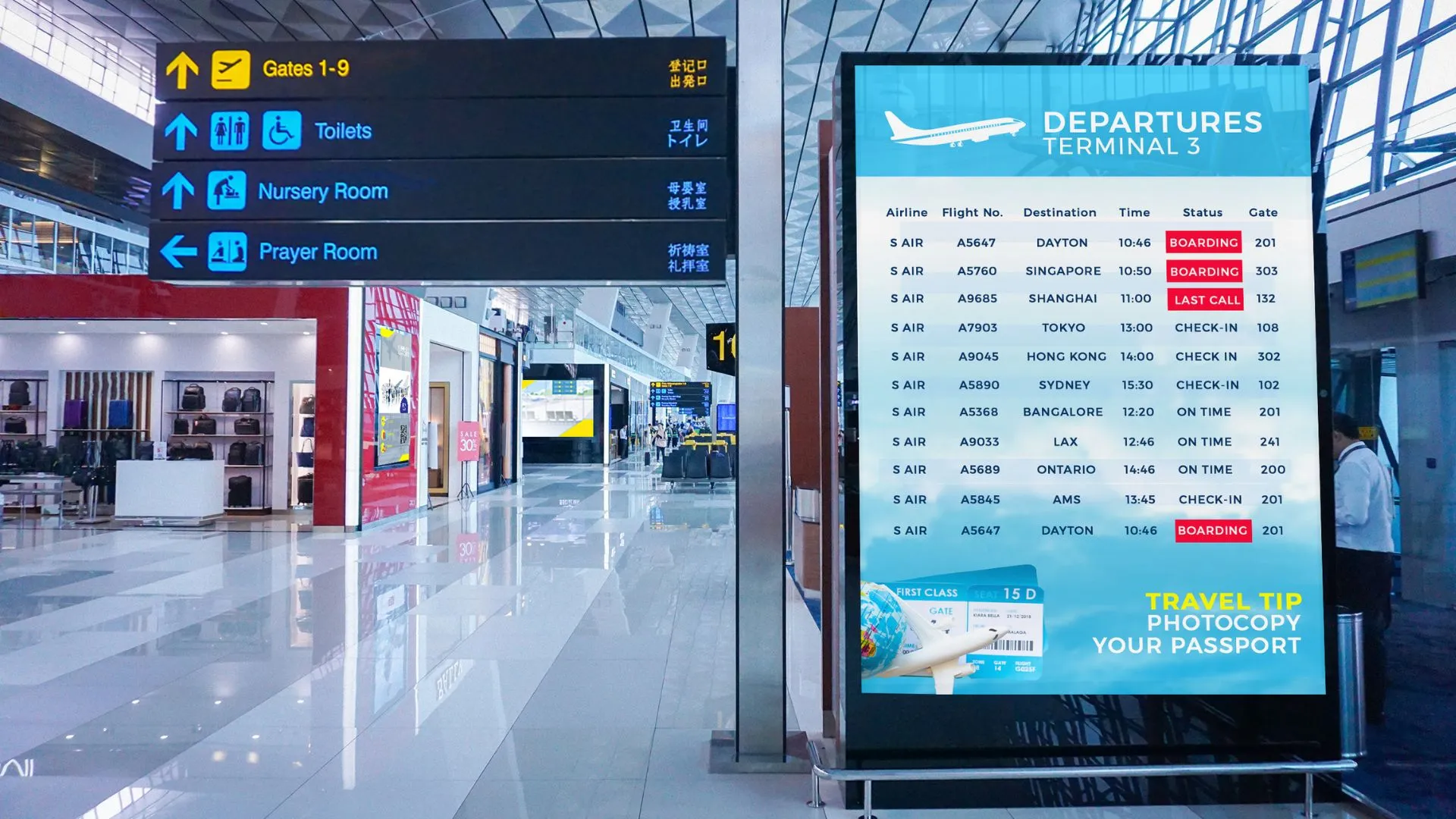
Work is no longer tied to a location.
Remote work has enabled people to travel while maintaining their careers. The rise of digital nomads reflects a broader shift toward flexibility and independence.
Countries are adapting by offering digital nomad visas and building infrastructure to attract remote workers.
Travel is no longer just leisure — it is becoming a way of life.
🎤 The Rise of Personal Branding
In a connected world, individuals are becoming brands.
Professionals are building online identities, sharing knowledge, and creating audiences. Platforms like LinkedIn are evolving into spaces where careers are shaped publicly.
Personal branding is no longer optional — it is becoming a key factor in professional success.
🔮 The Future of Human Experience
As we look ahead, one thing becomes clear: The future is not just about technology or events — it is about how people experience them.
Experiences are becoming:
More immersive
More personalized
More global
This shift is redefining industries, from entertainment to education.
✍️ Final Conclusion of the Series
Across all three parts, a clear picture emerges.
The world is evolving rapidly
Technology is accelerating change
Human behavior is adapting alongside it
2026 is not just a moment in time — it is a signal of where the world is heading.
Those who understand this shift will be better prepared to navigate the future.
We don’t claim out rights on any of these images used in the article, they are for reader illustration purpose only.↩︎
🚀 Introduction: The Invisible Forces Behind Change
While global events often appear as headlines — launches, festivals, competitions — the real transformation of 2026 is happening beneath the surface.
Technology is reshaping industries faster than policies can adapt. Economies are shifting their centers of gravity. And power is no longer defined only by geography, but by data, innovation, and influence.
This part of the series explores the hidden engines driving global change.
🤖 The Rise of Artificial Intelligence in Everyday Life
Artificial intelligence is no longer a concept limited to labs or tech companies. In 2026, it is quietly embedded in everyday life — from how businesses operate to how individuals make decisions.
Tools powered by AI are transforming customer service, automating repetitive work, and even assisting in creative processes. Companies are no longer asking whether to use AI, but how deeply they can integrate it into their operations.
What makes this shift significant is its scale. Small businesses now have access to capabilities that were once reserved for large corporations. This is leveling the playing field, while also increasing competition across industries.
At the same time, concerns around ethics, job displacement, and data privacy are growing — forcing governments and organizations to rethink regulations.
AI is not just a technology trend; it is becoming a foundation of modern society.
💰 The Changing Global Economy
The global economy in 2026 is undergoing a quiet but powerful transformation. Traditional financial systems are being redefined by digital payments, decentralized technologies, and new financial platforms.
Events like Global Fintech Fest highlight how countries like India are becoming leaders in digital finance innovation.
Cash is steadily being replaced by mobile transactions. Banking is becoming more accessible. And financial services are reaching populations that were previously excluded.
This shift is not just technological — it is social. It is changing how people save, spend, and invest.
At the same time, global economic power is becoming more distributed. Emerging markets are playing a larger role, creating a more balanced and competitive global landscape.
🌍 Geopolitics in a Connected World
In 2026, geopolitics is no longer confined to borders and military strength. It is increasingly influenced by technology, trade, and information.
Countries are competing not only for resources, but for technological leadership. Control over data, innovation, and infrastructure has become a key source of power.
At the same time, global challenges such as climate change and cybersecurity are forcing nations to collaborate in new ways. International alliances are evolving, shaped by shared interests rather than traditional alignments.
This creates a complex world where cooperation and competition exist simultaneously.
🏙️ Smart Cities and Urban Transformation
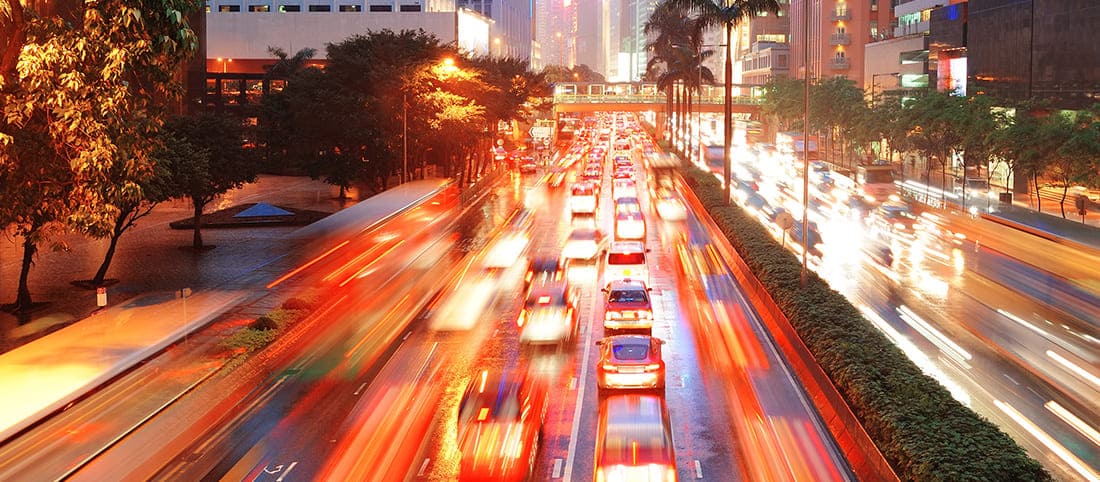
Cities are becoming the focal point of innovation in 2026. With increasing urban populations, governments are investing in smart infrastructure to improve efficiency and quality of life.
From intelligent traffic systems to energy-efficient buildings, technology is being used to create more sustainable and livable environments.
Urban spaces are no longer just places to live — they are becoming ecosystems that integrate technology, sustainability, and human experience.
This transformation is especially visible in rapidly developing regions, where cities are being designed with the future in mind.
🔮 What This Means for You
The forces shaping 2026 are not distant — they are directly influencing everyday life.
Whether you are a business owner, developer, or creator, understanding these shifts can help you identify opportunities early.
Those who adapt to these changes will not just survive — they will lead.
✍️ Closing Thought
If Part 1 showed us the visible events shaping the world, Part 2 reveals the systems powering them.
The future is not built overnight — it is constructed quietly, through technology, decisions, and innovation happening every day.
There are years that pass quietly, and then there are years that quietly reshape the future. 2026 is the latter.
Across continents, industries, and cultures, the world is witnessing a series of powerful events that are not only making headlines but also redefining how we live, work, and think. From humanity’s renewed ambition to explore space to the growing urgency of climate change, this year reflects a deeper shift — one where technology, environment, and human experience are converging like never before.
What makes 2026 truly fascinating is not just the scale of these events, but the way they are interconnected. A space mission influences global economies, climate patterns reshape business strategies, and entertainment events transform entire cities.
Let’s explore the most important global developments shaping this moment.
The launch of Artemis II marks a symbolic and technological milestone for humanity. For the first time in over five decades, humans are preparing to journey beyond low Earth orbit and circle the Moon once again.
But this mission is not simply about revisiting old achievements. It represents a new vision — one where space is no longer a distant frontier reserved for governments, but a shared domain with economic, scientific, and even commercial potential.
Private companies, international collaborations, and emerging technologies are all converging around this mission. The idea of building lunar bases, extracting resources, and preparing for Mars exploration is no longer science fiction — it is part of a structured roadmap.
In many ways, Artemis II signals the beginning of the space economy, where innovation beyond Earth could influence industries back on it.
🌡️ Climate Reality: When Nature Becomes Unpredictable
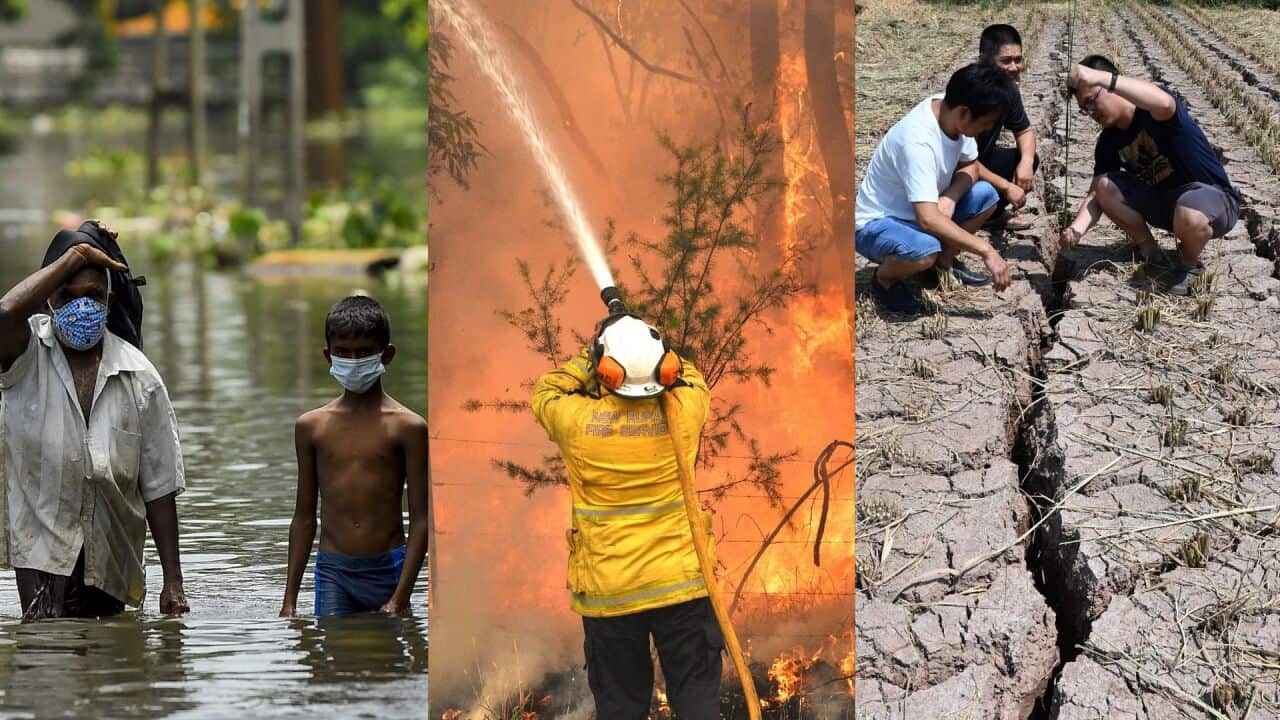
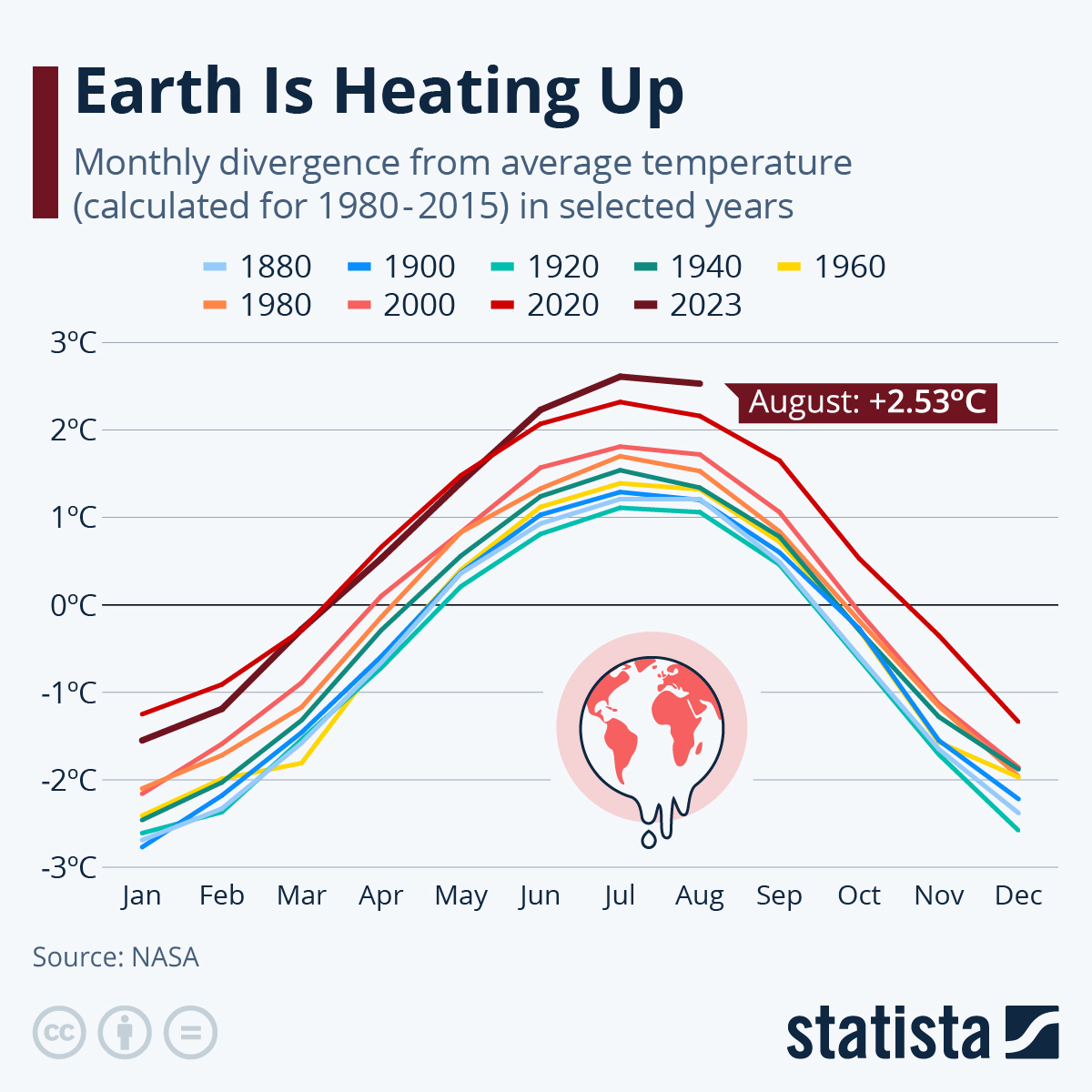
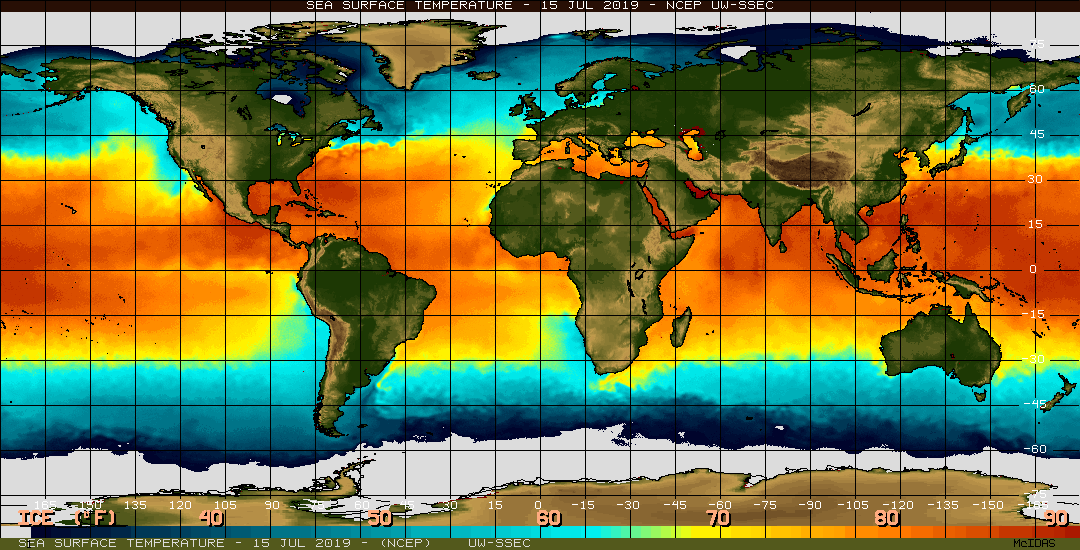
While space exploration looks outward, climate change forces humanity to look inward. The strengthening of the El Niño phenomenon in 2026 is expected to bring extreme and unpredictable weather patterns across the globe.
Regions that depend on stable rainfall may face drought, while others could experience floods and storms of unusual intensity. These disruptions go far beyond environmental concerns — they affect food production, supply chains, insurance systems, and even political stability.
Businesses are increasingly recognizing that climate is not just an environmental issue, but a financial one. Governments are under pressure to act faster, while industries are being pushed toward sustainable practices.
This moment highlights a critical truth: the future is not just being built through innovation, but also shaped by how we respond to nature.
🏅 The Power of Global Sporting Events
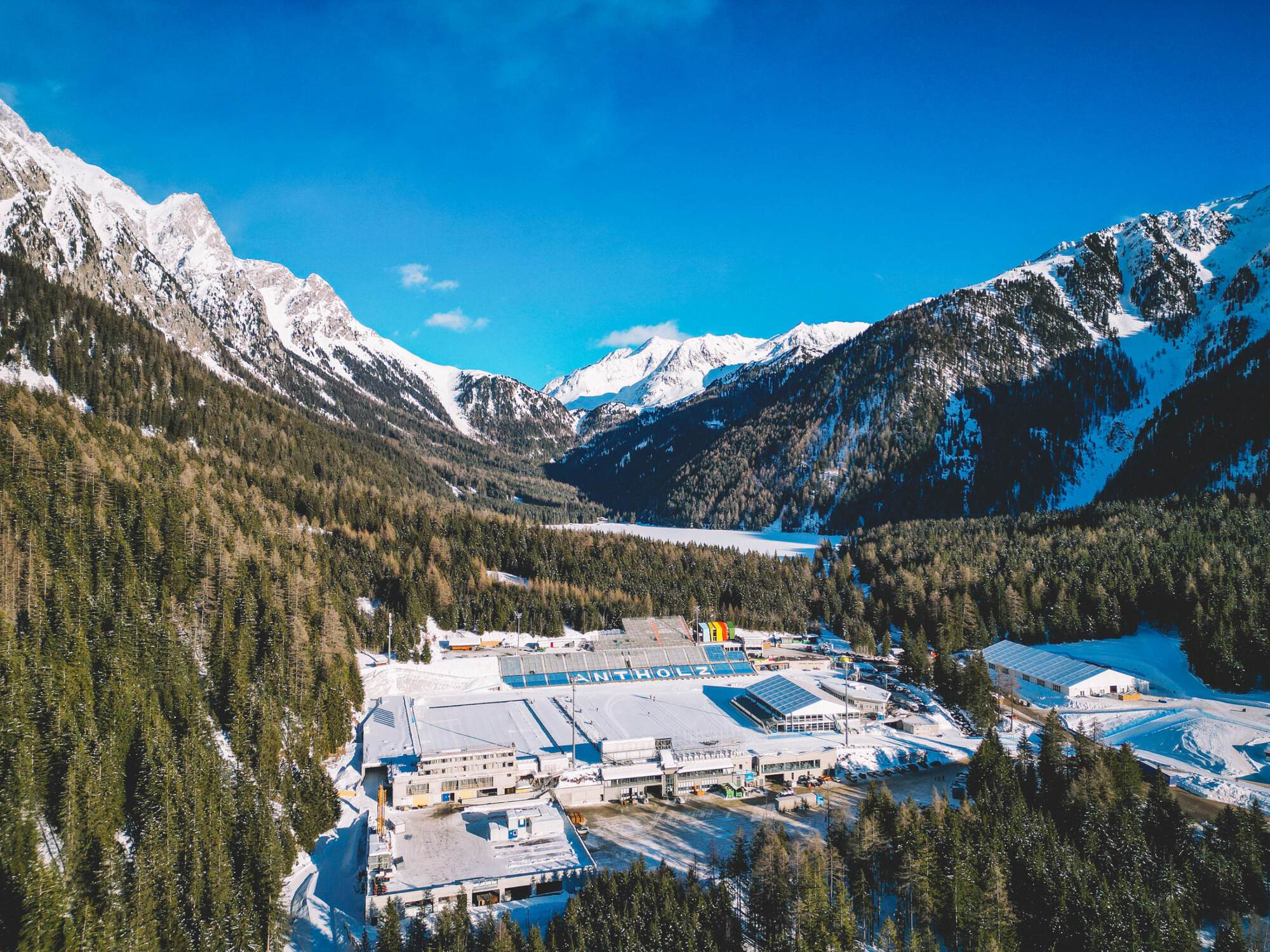
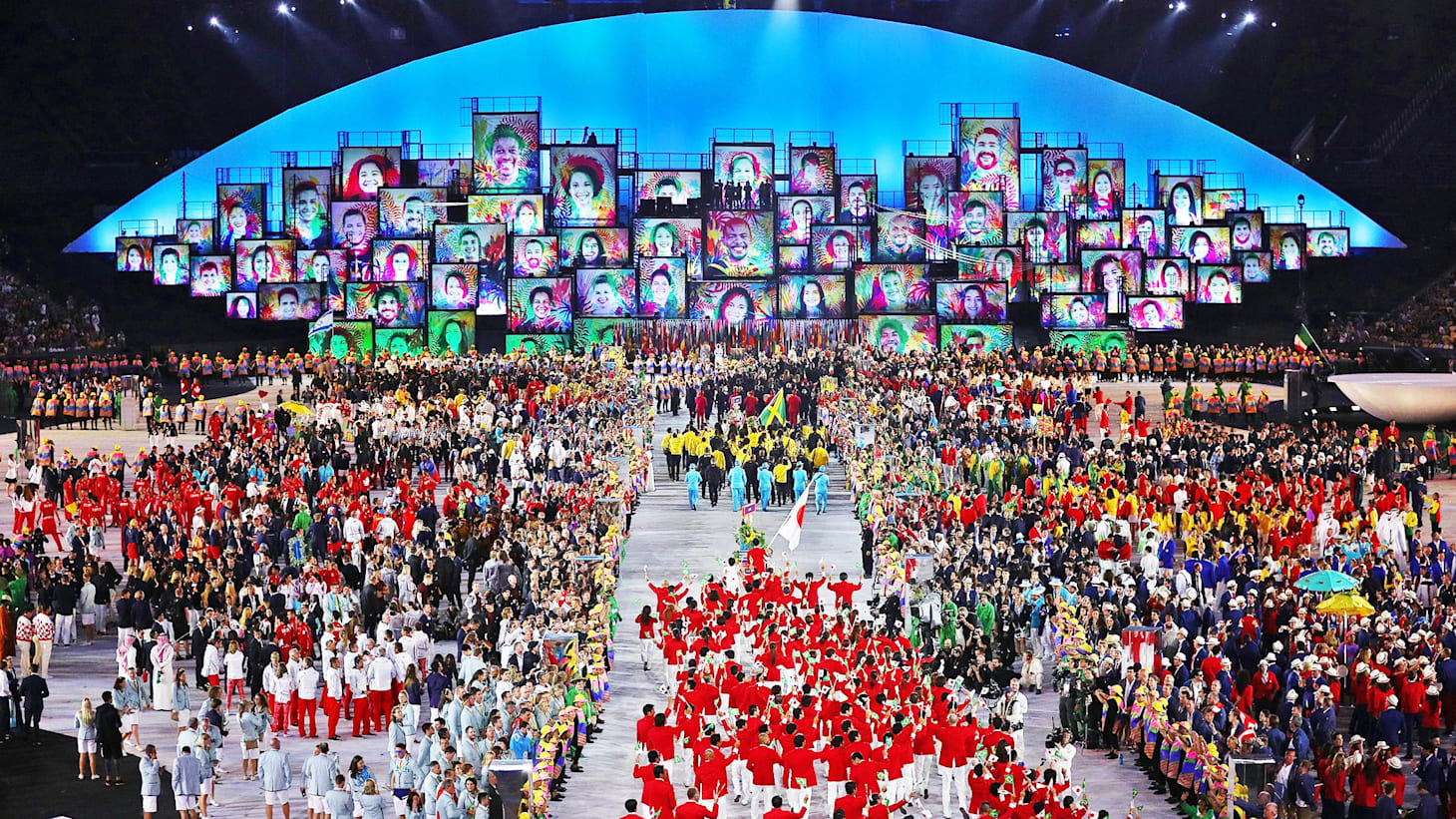
Few things unite the world like sports, and in 2026, that unity is on full display. Events such as the 2026 Winter Olympics and the ICC Men’s T20 World Cup 2026 are drawing global audiences in the billions.
But beyond the excitement of competition lies a deeper impact. These events generate massive economic activity — from tourism and infrastructure development to sponsorships and media rights. Entire cities transform into global stages, attracting attention, investment, and cultural exchange.
Sports today are not just games; they are platforms for storytelling, branding, and global engagement. They reflect how interconnected the world has become, where a single event can influence millions across continents in real time.
🎮 Entertainment and Gaming: A Cultural Shift
Entertainment in 2026 is no longer confined to screens — it has become an immersive, shared experience. Gaming events, concerts, and fan festivals are blending digital and physical worlds in ways that were unimaginable just a decade ago.
Large-scale gaming gatherings now resemble global festivals, bringing together communities from different countries and cultures. Similarly, music concerts are evolving into multi-day experiences that combine travel, technology, and social interaction.
This shift reflects the rise of what many call the experience economy — where people value moments, memories, and connections more than material possessions.
For businesses and creators, this opens new opportunities. Experiences can be designed, monetized, and scaled globally, creating entirely new industries around engagement and participation.
🌐 Innovation Without Borders
Another defining feature of 2026 is the rise of global collaboration. Events like the Global Fintech Fest highlight how innovation is no longer limited by geography.
Startups, investors, and industry leaders are coming together to exchange ideas, build partnerships, and solve global challenges. Technologies such as artificial intelligence, blockchain, and digital finance are being developed and deployed at a global scale.
India, in particular, is emerging as a key player in this ecosystem, contributing talent, ideas, and platforms that influence international markets.
This borderless innovation signals a future where progress is collective, not isolated.
🔮 What These Events Really Mean
Looking across these developments, a few deeper patterns begin to emerge.
The world is becoming more connected, not just digitally but experientially. Technology is no longer a separate domain — it is embedded in every aspect of life. Sustainability is shifting from an option to a necessity. And perhaps most importantly, people are redefining value — moving away from ownership toward experience.
These trends are not temporary. They are indicators of a long-term transformation that will continue to shape the years ahead.
✍️ Final Thoughts: A World in Transition
2026 is not just a collection of events — it is a reflection of a world in transition.
It is a year where humanity is reaching for the stars while simultaneously confronting challenges on Earth. A year where innovation is accelerating, but so is the need for responsibility. A year where opportunities are expanding for those who are willing to observe, adapt, and act.
For readers, creators, and entrepreneurs alike, the message is clear: the future is not something to wait for — it is something to understand and build upon.
We don’t claim out rights on any of these images used in the article, they are for reader illustration purpose only.↩︎
JavaScript logo transforming into cloud, mobile, and AI systems visual metapho
🧠 Introduction
JavaScript is no longer just a browser scripting language—it is now the backbone of modern software development. From powering interactive web pages in the 1990s to running full-scale distributed systems, JavaScript has evolved into a universal runtime shaping how applications are built and deployed.
In this deep dive, we explore:
How JavaScript has transformed over time
What major features and paradigms were introduced
How its ecosystem reshaped development
Where JavaScript is heading in the next decade
But beyond just evolution, JavaScript has fundamentally shifted its role in the tech ecosystem. It didn’t just grow—it repositioned itself as a universal runtime across platforms. 👉 Read deeper insight: JavaScript Didn’t Just Evolve — It Repositioned Itself
🕰️ Phase 1: The Early Days (1995–2005)
JavaScript was created in 1995 with a simple goal: 👉 Make web pages interactive.
Key Characteristics
Loosely typed
Prototype-based inheritance
Event-driven execution
Minimal tooling
Limitations
No modular architecture
Browser inconsistencies
Callback-heavy async patterns
At this stage, JavaScript was often underestimated and considered unreliable for serious engineering.
⚙️ Phase 2: Standardization with ES5 (2009)
The release of ECMAScript 5 brought stability and structure.
What Changed
Strict mode ("use strict")
Native JSON support
Functional array methods (map, filter, reduce)
Better object control
Why It Mattered
This era laid the foundation for scalable JavaScript applications and enabled cleaner, more predictable codebases.
🔥 Phase 3: ES6 – The Turning Point (2015)
ES6 was not just an update—it was a complete transformation.
This transformation marked the beginning of a deeper shift—not just in syntax, but in how JavaScript positioned itself in the software world. 👉 Explore the full perspective here: JavaScript Didn’t Just Evolve — It Repositioned Itself
Major Features Introduced
Block Scoping
let count = 0;
const MAX = 10;
Arrow Functions
const sum = (a, b) => a + b;
Classes (Cleaner OOP)
class User {
  constructor(name) {
    this.name = name;
  }
}
Modules (Finally!)
export const api = {};
import { api } from './file.js';
Promises
fetch(url).then(res => res.json());
Destructuring
const { name } = user;
🚀 Impact of ES6
Enabled large-scale applications
Improved readability and maintainability
Shifted JavaScript toward modern engineering standards
Development moved from manual DOM handling to structured UI systems:
React → Component-driven architecture
Angular → Full ecosystem
Vue → Reactive simplicity
This introduced:
Declarative UI + state-driven design
⏳ Async Evolution: The Biggest Developer Pain Solved
Before (Callback Hell)
fs.readFile(file, (err, data) => {});
Promises
readFile(file).then(data => {});
Async/Await (Modern Standard)
async function load() {
  const data = await readFile(file);
}
Result
Cleaner logic
Better debugging
Synchronous-like flow
🧩 TypeScript Influence (The Silent Takeover)
JavaScript itself didn’t become typed—but the ecosystem did.
Why TypeScript Won
Large app complexity
Need for type safety
Better tooling
Real Impact
Enterprise-level adoption
Reduced runtime errors
Strong IDE support
Today:
TypeScript is often the default, not optional.
⚡ Modern JavaScript (ES2018–2026)
JavaScript now evolves every year with incremental improvements.
Key Modern Features
Optional Chaining
user?.profile?.name
Nullish Coalescing
value ?? "default"
Top-Level Await
const data = await fetch(url);
Logical Assignment
x ||= 10;
BigInt
const big = 999999999999999999n;
🧠 The Real Power: JavaScript Ecosystem
The language is only part of the story.
Tooling Explosion
Bundlers: Webpack, Vite
Transpilers: Babel
Linters: ESLint
Formatters: Prettier
Runtime Expansion
Browser
Node.js
Deno
Bun
Cross-Platform Reach
Mobile → React Native
Desktop → Electron
Cloud → Serverless functions
🔄 Paradigm Shift Summary
Area
Old JavaScript
Modern JavaScript
Code Structure
Scripts
Modules
Async
Callbacks
Async/Await
UI
Manual DOM
Component-based
Runtime
Browser only
Everywhere
Typing
Dynamic
Typed (TS)
🔮 Where JavaScript Is Heading
1. Edge Computing
JavaScript is moving closer to users:
Faster response times
Distributed execution
2. WebAssembly Integration
JavaScript will act as a bridge for high-performance code:
Gaming
AI
Video processing
3. Type-Safe Future
TypeScript dominance
Possible native type support
4. AI + JavaScript
JavaScript is becoming the interface layer for AI systems:
Browser AI apps
Node.js AI orchestration
AI SDK ecosystems
This reinforces a critical idea: JavaScript isn’t just evolving—it’s strategically positioning itself at the center of modern computing.
👉 Read the deeper analysis: JavaScript Didn’t Just Evolve — It Repositioned Itself
5. New Runtimes
Emerging tools like Bun and Deno are pushing:
Faster execution
Better developer experience
⚠️ Challenges Ahead
1. Ecosystem Overload
Too many tools, too many choices.
2. Complexity
Modern JS requires:
Build systems
Configurations
Dependency management
3. Backward Compatibility
JavaScript cannot break existing web apps—limiting radical changes.
🏁 Final Thoughts
JavaScript’s evolution is not just technical—it’s philosophical.
It has transformed into:
A universal language that connects frontend, backend, mobile, cloud, and AI systems.
The future of JavaScript is not about replacing it—but expanding it further into every layer of computing.
🔗 Recommended Deep Read
If you want to truly understand the strategic shift behind JavaScript’s dominance, don’t miss this:
Technology once symbolized separation from nature.
Climate-controlled rooms. Artificial lighting. Digital immersion.
But across architecture, design, and urban policy, a quiet integration is taking place.
Biophilic design — the practice of incorporating natural elements into built environments — is no longer niche. Major corporations are redesigning campuses around open air, water features, and organic materials. Residential developments emphasize natural light, balconies, rooftop gardens, and shared green space.
Cities are expanding urban forests and green corridors not only for aesthetics but for temperature regulation and public health.
Even interior design trends reflect this shift. Indoor plant ownership has surged globally. Natural textures, earth tones, and sustainable materials dominate modern construction and renovation.
This is not decorative preference.
It is neurological alignment.
Environmental psychology research consistently shows that exposure to natural elements reduces cortisol levels, improves concentration, and enhances emotional regulation.
As screen time increases, biological counterbalance becomes essential.
Integration, Not Opposition
The future is not choosing between digital and natural.
It is blending them.
Smart homes coexist with solar integration. Urban density coexists with green rooftops. Remote work coexists with forest retreats.
The most advanced spaces of the coming decade will not look futuristic in the cold sense. They will feel grounded.
Conclusion
Nature is not retreating to the edges of society.
It is returning to the center.
And this reintegration signals something important: progress is becoming balanced.
If you want to revisit how cities are structurally adapting to this balance, return to:
There was a time when knowing a little about everything felt impressive.
Now it feels overwhelming.
In response to information overload, something subtle is happening across digital culture: people are returning to depth.
Long-form newsletters on platforms like Substack continue to grow. Podcasts extending beyond two hours attract millions of consistent listeners. Cohort-based online courses are replacing scattered tutorial consumption. Niche learning communities — from astrophysics enthusiasts to regenerative agriculture groups — are expanding quietly but steadily.
This isn’t nostalgia.
It is adaptation.
The early internet rewarded speed and surface knowledge. Algorithms amplified brevity. Summaries replaced nuance.
But as complexity in the real world increases — economic shifts, climate change, technological transformation — shallow understanding no longer feels sufficient.
Search behavior itself reflects this. Queries are becoming longer and more specific. Readers are choosing specialized analysis over general commentary.
Curiosity is shifting from passive consumption to intentional exploration.
The Cultural Maturity Phase
The information age is entering a maturity phase.
Instead of asking, “What’s new?” more people are asking, “What does this mean?”
Instead of collecting headlines, they are seeking coherence.
This return to curiosity builds something important: stability.
Deep learning reduces reaction. It increases context. And context reduces anxiety.
Conclusion
Curiosity is no longer a hobby.
It is resilience.
Those who choose depth over distraction are building an intellectual foundation that compounds over time.
To see how this intellectual shift intersects with physical design and lifestyle evolution, continue with:
Taller skylines. Wider highways. Larger commercial districts. Growth was visible, measurable, and loud.
But in recent years, something quieter has been unfolding.
Across Europe, Latin America, Asia, and parts of North America, cities are shifting from expansion toward livability.
Paris has expanded pedestrian zones and reduced car access along major riverbanks. Barcelona’s “superblocks” redesign entire neighborhoods to limit traffic and prioritize public space. Bogotá continues investing heavily in cycling infrastructure. Melbourne and Copenhagen consistently rank high for walkability and human-centered urban planning.
These changes do not dominate headlines. But they reshape daily experience.
Remote and hybrid work accelerated this transformation. When commuting patterns softened, cities were forced to reconsider how space functions. Office districts began blending into mixed-use neighborhoods. Public parks became flexible environments for work, meetings, and community life.
Urban real estate trends now show increasing demand for:
proximity to green space
access to local markets
walkable neighborhoods
quieter residential zones
This signals something deeper than aesthetic preference.
It reflects a philosophical shift.
Cities are no longer being designed only for economic throughput. They are being redesigned for human rhythm.
The Structural Shift
Modern urban planning is increasingly guided by one question:
How does daily life feel here?
Not how fast can traffic move. Not how high can buildings rise.
But how sustainable is the lived experience?
As climate awareness grows and environmental policy strengthens, green corridors, rooftop gardens, and energy-efficient buildings are becoming default rather than exceptional.
The reinvention of cities is not dramatic.
It is deliberate.
Conclusion
The cities of the next decade will compete less on spectacle and more on stability.
Livability is becoming infrastructure.
If you’re interested in how this physical shift connects to intellectual and cultural changes, continue with:
Ask someone ten years ago what a successful week looked like.
They would likely describe output. Metrics. Momentum.
Ask the same question now, and the answer sounds different.
A good week today feels stable.
Not explosive. Not dramatic. Stable.
It includes progress, yes — but not at the cost of energy collapse. It includes productivity — but without emotional residue. It includes ambition — but anchored in sustainability.
The modern reader is increasingly aware that exhaustion is not a badge of honor. It is a warning sign.
A well-lived week now includes:
Work that moved something forward.
Rest that wasn’t negotiated.
Decisions made deliberately.
Fewer regrets than reactions.
The definition of progress is compressing into something simpler: did this week leave me clearer than it found me?
There is a growing rejection of performative busyness. Not laziness — clarity. The desire to build a rhythm that can be repeated without damage.
Reflection is playing a larger role. People are reviewing their weeks instead of just surviving them. Small corrections are replacing dramatic resets.
This shift is subtle but profound.
Success is becoming quieter.
And quiet success tends to last longer.
If your week contained focus, boundaries, and at least one meaningful step forward — it counted.
There was a time when accessibility signaled importance.
If you were reachable at all hours, you were needed. If you responded instantly, you were reliable. If you accepted every opportunity, you were ambitious.
That era is fading.
Today, constant availability signals something else: a lack of filtration.
In a hyper-connected environment, the ability to filter input is no longer personal preference — it is cognitive survival. Without boundaries, attention fractures. Without attention, judgment weakens. Without judgment, quality declines.
Digital boundaries are the first layer. Limiting notifications. Closing tabs. Structuring communication windows. These actions sound small, but they rebuild mental coherence.
The second layer is professional. Clarity around timelines. Clear expectations. Fewer reactive commitments. High performers are not constantly responsive — they are predictably focused.
The third layer is emotional. Choosing not to engage in every debate. Separating feedback from identity. Refusing to measure self-worth through algorithmic reactions.
Boundaries are not about isolation. They are about signal preservation.
The world has become noisier. The individuals who thrive are not the loudest. They are the most internally stable.
There is a maturity in knowing when not to respond. In declining without explanation. In protecting deep work without apology.
As systems accelerate, boundaries become ballast.
And ballast keeps you steady when speed increases.
Conclusion: Boundaries as Architecture, Not Resistance
Boundaries are often misunderstood as restriction. In reality, they are structure.
Structure creates stability. Stability creates clarity. And clarity creates momentum.
In a hyper-connected world, intelligence is no longer measured by how much you consume, but by how well you filter.
If Episode 12 focused on selective attention, this episode deepens that idea into design. You cannot protect attention without boundaries.
This week won’t overwhelm you with obvious pressure.
It will test something smaller — and harder to notice.
What you choose to ignore.
Modern life rarely collapses under dramatic weight. It erodes through accumulation. A message that doesn’t require an answer but gets one anyway. A task accepted out of habit. A meeting attended “just in case.” A tab opened and never closed.
None of these decisions feel significant in isolation. Together, they fragment a week.
You’ll notice this especially in the way attention behaves. Notifications won’t explode. They will drip. New tools won’t demand adoption. They will suggest optimization. AI systems won’t feel intrusive. They will offer convenience.
And that’s the real tension.
Technology is becoming smoother. More helpful. More ambient. But ambient systems still consume mental bandwidth. They still shape how you think, what you prioritize, and how quickly you react.
This week will reward people who pause before responding.
At work, urgency will appear credible. But if you slow down long enough to evaluate it, much of it dissolves. The most valuable contribution you can make may not be speed — it may be discernment.
Socially, you’ll see a shift too. Fewer loud declarations. More people quietly restructuring their routines. There is a subtle move away from performance toward calibration.
The quiet question behind the week is simple: Does this deserve my attention?
Not everything that asks for energy deserves it.
If you protect one uninterrupted hour a day, you will feel the difference immediately. Not because you did more — but because you did less with intention.
The week is not testing your capacity.
It is testing your selectivity.
Conclusion: The Discipline of Selective Attention
This week is not asking for more effort. It is asking for sharper judgment.
The difference between a scattered week and a strong one will not be how many tasks you complete. It will be how many unnecessary demands you quietly decline.
Selective attention is becoming a discipline. The more noise the world produces, the more valuable clarity becomes.
If this theme resonates, you may want to continue with: