🚀 Introduction: The Invisible Forces Behind Change
While global events often appear as headlines — launches, festivals, competitions — the real transformation of 2026 is happening beneath the surface.
Technology is reshaping industries faster than policies can adapt. Economies are shifting their centers of gravity. And power is no longer defined only by geography, but by data, innovation, and influence.
This part of the series explores the hidden engines driving global change.
🤖 The Rise of Artificial Intelligence in Everyday Life


Artificial intelligence is no longer a concept limited to labs or tech companies. In 2026, it is quietly embedded in everyday life — from how businesses operate to how individuals make decisions.
Tools powered by AI are transforming customer service, automating repetitive work, and even assisting in creative processes. Companies are no longer asking whether to use AI, but how deeply they can integrate it into their operations.
What makes this shift significant is its scale. Small businesses now have access to capabilities that were once reserved for large corporations. This is leveling the playing field, while also increasing competition across industries.
At the same time, concerns around ethics, job displacement, and data privacy are growing — forcing governments and organizations to rethink regulations.
AI is not just a technology trend; it is becoming a foundation of modern society.
💰 The Changing Global Economy
The global economy in 2026 is undergoing a quiet but powerful transformation. Traditional financial systems are being redefined by digital payments, decentralized technologies, and new financial platforms.
Events like Global Fintech Fest highlight how countries like India are becoming leaders in digital finance innovation.
Cash is steadily being replaced by mobile transactions. Banking is becoming more accessible. And financial services are reaching populations that were previously excluded.
This shift is not just technological — it is social. It is changing how people save, spend, and invest.
At the same time, global economic power is becoming more distributed. Emerging markets are playing a larger role, creating a more balanced and competitive global landscape.
🌍 Geopolitics in a Connected World

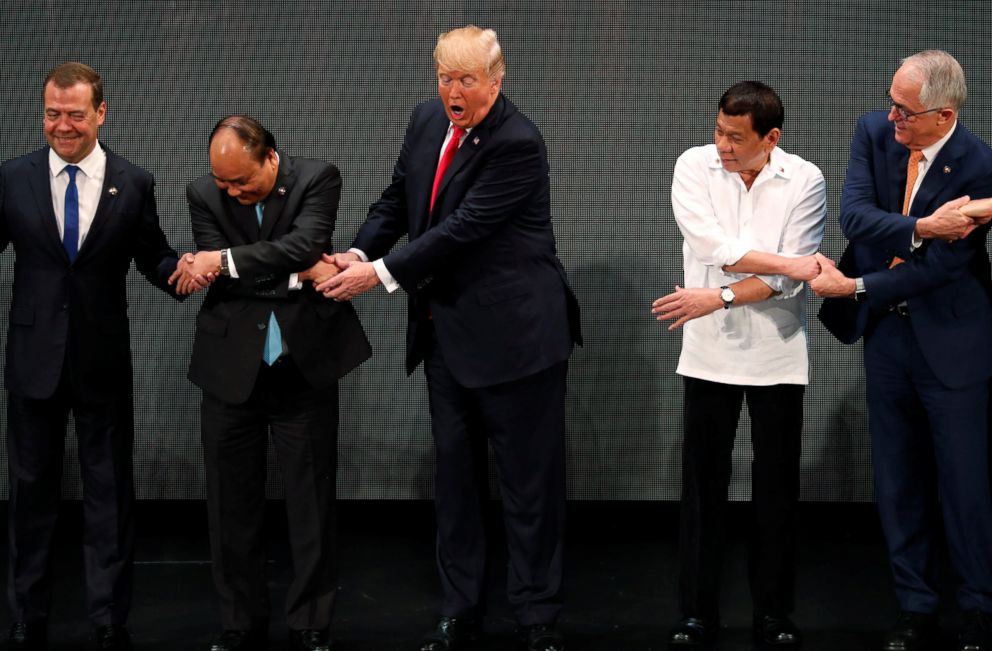
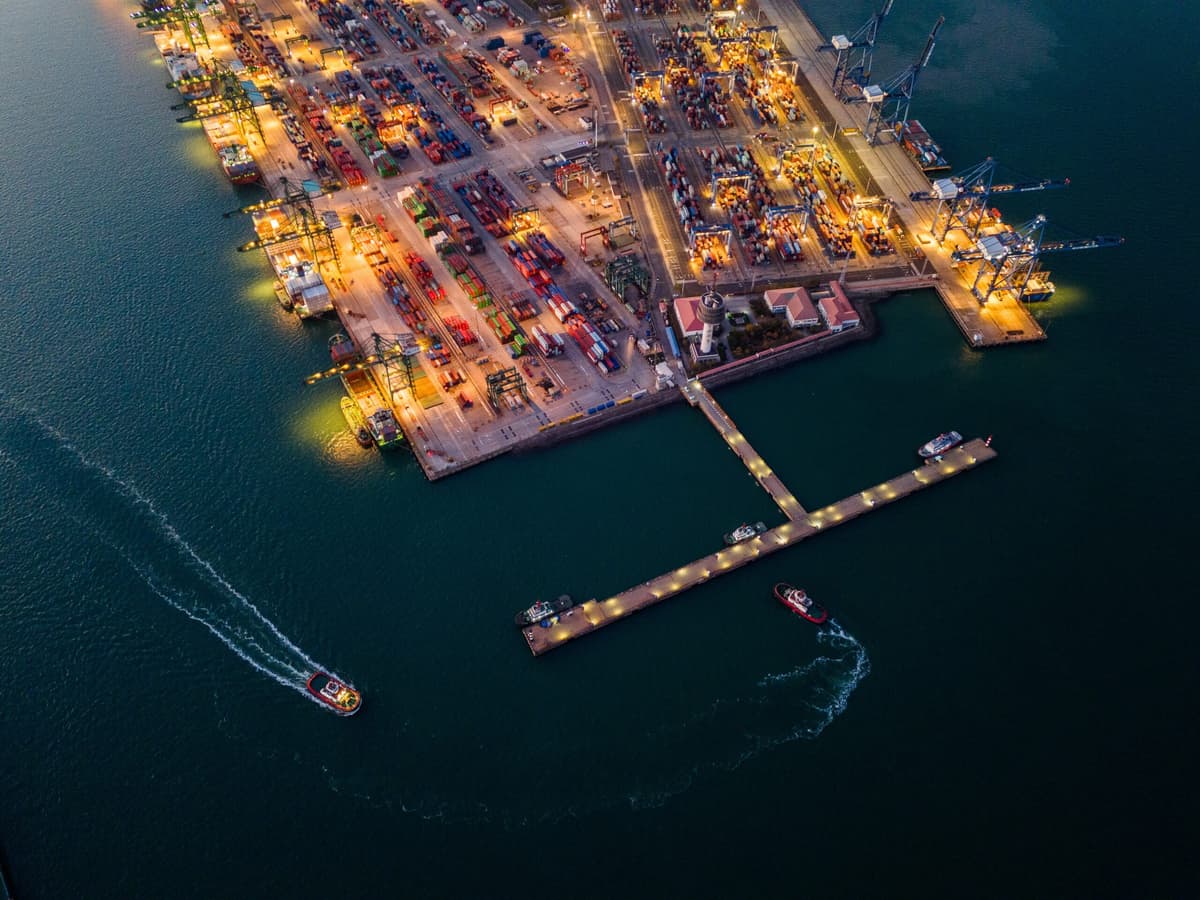
In 2026, geopolitics is no longer confined to borders and military strength. It is increasingly influenced by technology, trade, and information.
Countries are competing not only for resources, but for technological leadership. Control over data, innovation, and infrastructure has become a key source of power.
At the same time, global challenges such as climate change and cybersecurity are forcing nations to collaborate in new ways. International alliances are evolving, shaped by shared interests rather than traditional alignments.
This creates a complex world where cooperation and competition exist simultaneously.
🏙️ Smart Cities and Urban Transformation



Cities are becoming the focal point of innovation in 2026. With increasing urban populations, governments are investing in smart infrastructure to improve efficiency and quality of life.
From intelligent traffic systems to energy-efficient buildings, technology is being used to create more sustainable and livable environments.
Urban spaces are no longer just places to live — they are becoming ecosystems that integrate technology, sustainability, and human experience.
This transformation is especially visible in rapidly developing regions, where cities are being designed with the future in mind.
🔮 What This Means for You
The forces shaping 2026 are not distant — they are directly influencing everyday life.
Whether you are a business owner, developer, or creator, understanding these shifts can help you identify opportunities early.
Those who adapt to these changes will not just survive — they will lead.
✍️ Closing Thought
If Part 1 showed us the visible events shaping the world, Part 2 reveals the systems powering them.
The future is not built overnight — it is constructed quietly, through technology, decisions, and innovation happening every day.
- We don’t claim out rights on any of these images used in the article, they are for reader illustration purpose only. ↩︎