๐ŸŒ Global Events Shaping 2026 (Part 2): Technology, Economy & Power Shifts

๐Ÿš€ Introduction: The Invisible Forces Behind Change

While global events often appear as headlines โ€” launches, festivals, competitions โ€” the real transformation of 2026 is happening beneath the surface.

Technology is reshaping industries faster than policies can adapt. Economies are shifting their centers of gravity. And power is no longer defined only by geography, but by data, innovation, and influence.

This part of the series explores the hidden engines driving global change.


๐Ÿค– The Rise of Artificial Intelligence in Everyday Life

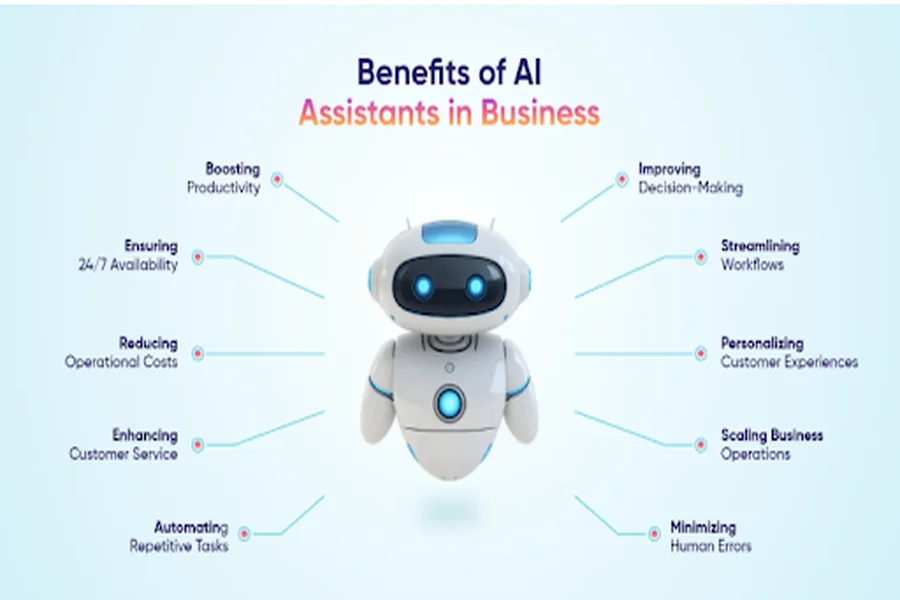
Artificial intelligence is no longer a concept limited to labs or tech companies. In 2026, it is quietly embedded in everyday life โ€” from how businesses operate to how individuals make decisions.

Tools powered by AI are transforming customer service, automating repetitive work, and even assisting in creative processes. Companies are no longer asking whether to use AI, but how deeply they can integrate it into their operations.

What makes this shift significant is its scale. Small businesses now have access to capabilities that were once reserved for large corporations. This is leveling the playing field, while also increasing competition across industries.

At the same time, concerns around ethics, job displacement, and data privacy are growing โ€” forcing governments and organizations to rethink regulations.

AI is not just a technology trend; it is becoming a foundation of modern society.


๐Ÿ’ฐ The Changing Global Economy

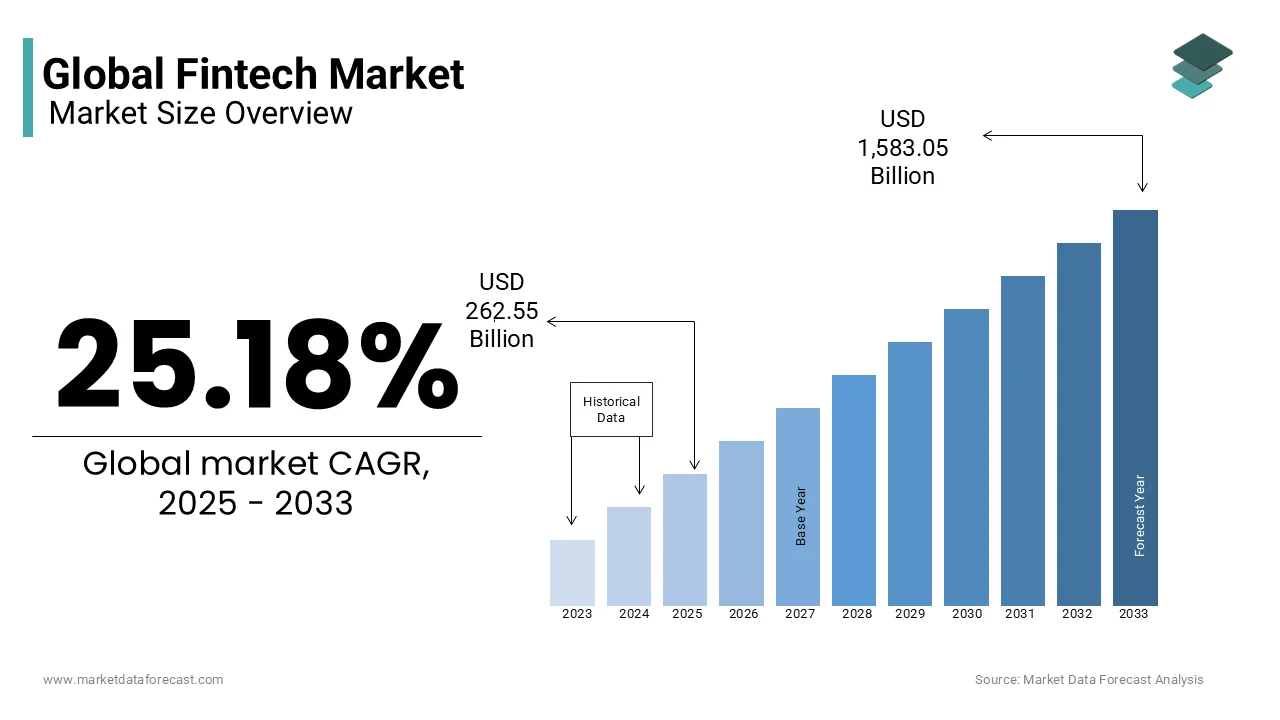
The global economy in 2026 is undergoing a quiet but powerful transformation. Traditional financial systems are being redefined by digital payments, decentralized technologies, and new financial platforms.

Events like Global Fintech Fest highlight how countries like India are becoming leaders in digital finance innovation.

Cash is steadily being replaced by mobile transactions. Banking is becoming more accessible. And financial services are reaching populations that were previously excluded.

This shift is not just technological โ€” it is social. It is changing how people save, spend, and invest.

At the same time, global economic power is becoming more distributed. Emerging markets are playing a larger role, creating a more balanced and competitive global landscape.


๐ŸŒ Geopolitics in a Connected World

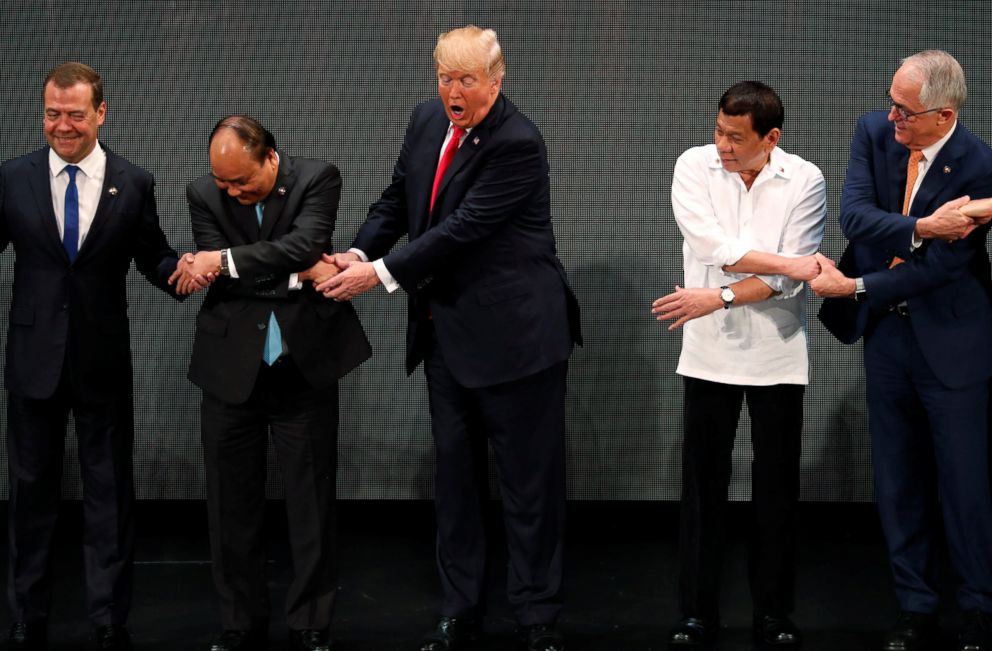
In 2026, geopolitics is no longer confined to borders and military strength. It is increasingly influenced by technology, trade, and information.

Countries are competing not only for resources, but for technological leadership. Control over data, innovation, and infrastructure has become a key source of power.

At the same time, global challenges such as climate change and cybersecurity are forcing nations to collaborate in new ways. International alliances are evolving, shaped by shared interests rather than traditional alignments.

This creates a complex world where cooperation and competition exist simultaneously.


๐Ÿ™๏ธ Smart Cities and Urban Transformation
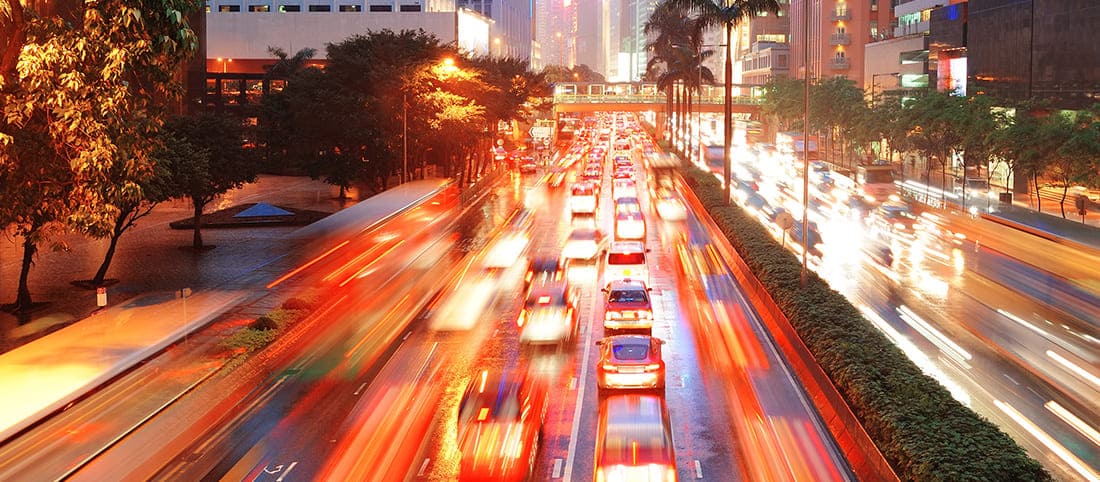
Cities are becoming the focal point of innovation in 2026. With increasing urban populations, governments are investing in smart infrastructure to improve efficiency and quality of life.

From intelligent traffic systems to energy-efficient buildings, technology is being used to create more sustainable and livable environments.

Urban spaces are no longer just places to live โ€” they are becoming ecosystems that integrate technology, sustainability, and human experience.

This transformation is especially visible in rapidly developing regions, where cities are being designed with the future in mind.


๐Ÿ”ฎ What This Means for You

The forces shaping 2026 are not distant โ€” they are directly influencing everyday life.

Whether you are a business owner, developer, or creator, understanding these shifts can help you identify opportunities early.

Those who adapt to these changes will not just survive โ€” they will lead.


โœ๏ธ Closing Thought

If Part 1 showed us the visible events shaping the world, Part 2 reveals the systems powering them.

The future is not built overnight โ€” it is constructed quietly, through technology, decisions, and innovation happening every day.

  1. We donโ€™t claim out rights on any of these images used in the article, they are for reader illustration purpose only.ย โ†ฉ๏ธŽ

๐ŸŒ WORLD IN MOTION โ€” Episode 1

Tech & Business Pulse: What the World Built This Week

Welcome to the first episode of World in Motion, your thrice-a-week global insights series from TortoiseFeel.
Every episode brings you the most important, exciting and useful developments from across technology, business, innovation and human progress โ€” in clear, simple language.

Letโ€™s dive in.

1. AI Assistants Are Becoming โ€œReal Workersโ€

This week, major AI companies pushed updates that make AI assistants behave like employees, not tools:

  • They can now take actions inside apps
  • Schedule calendar tasks
  • Process emails
  • Pull data from your documents

Impact:
People will rely less on virtual assistants and more on AI โ€œmicro-workersโ€.
Businesses will save huge manual time.


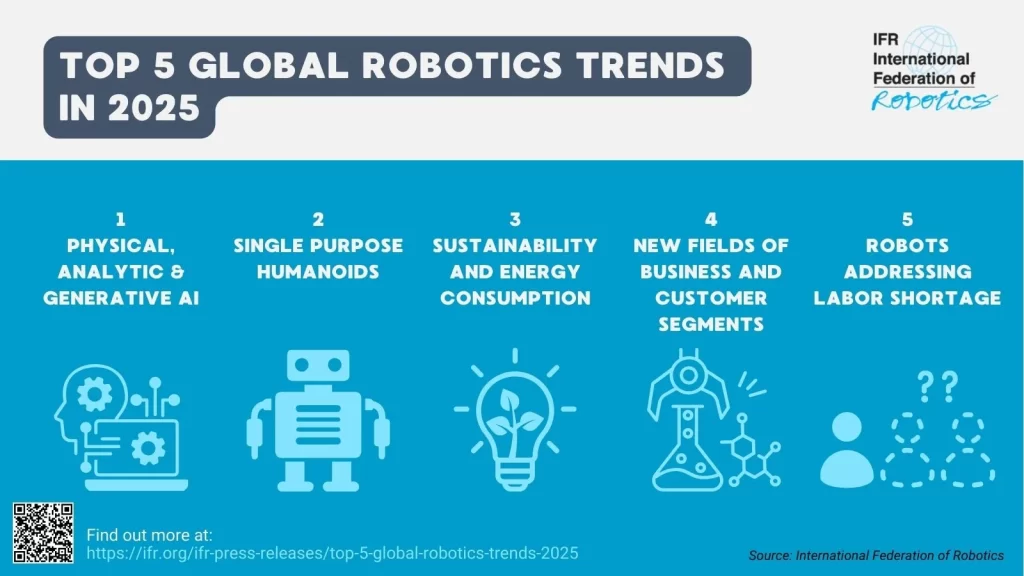
2. AI Chips Race: Faster, Smaller, Greener

Chip companies introduced new processors that:

  • Are faster for AI model training
  • Use less electricity
  • Can fit into smaller devices

Impact:
Smartphones in 2025โ€“2026 will run AI offline without internet โ€” super fast and super personal.


3. Everyday AI Tools Growing Fast

This weekโ€™s most-used categories:

  • AI text โ†’ image tools
  • AI code helpers
  • AI research summarizers
  • AI video editors

People worldwide are adopting AI tools as casually as using Google.

2. BUSINESS & STARTUPS โ€” Money Is Moving in New Directions

1. Subscription Economy EXPANDED Again

More companies shifted to:

  • Monthly subscription
  • Annual pro plans
  • Micro-payments

The global subscription model is now projected to grow above $1.5 trillion by 2030.

Impact:
If youโ€™re building an app or service โ€” this is the best long-term model.


2. FinTech Boost: Digital Money โ†’ Mainstream

More countries tested:

  • Digital currency systems
  • Instant cross-border payments
  • QR-led ecosystems

Impact:
In the next 3โ€“5 years, sending money globally will be as easy as sending a text.


3. Important: Small Businesses are Adopting AI

Cafe ownersโ€ฆ freelancersโ€ฆ tutorsโ€ฆ shop ownersโ€ฆ
Everyone is starting to use:

  • AI for content
  • AI for customer queries
  • AI for marketing
  • AI for scheduling

The gap between AI users and non-users is widening.

3. SCIENCE & RESEARCH โ€” Big Leaps, Quietly Happening

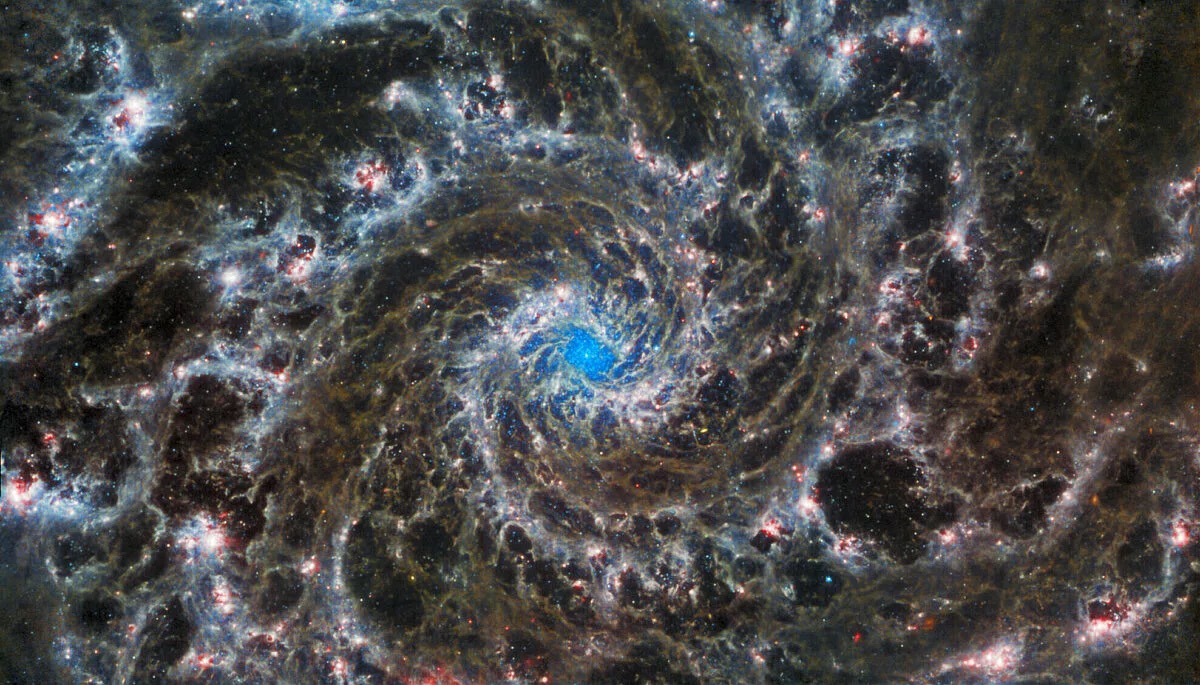
1. Space Telescopes Detected New โ€œEarth-likeโ€ Signals

This week, space researchers spotted solar-system-like signatures that might indicate:

  • Planets with water
  • Stable atmospheres
  • Conditions similar to early Earth

No aliens โ€” just possibility of life-supporting environments.


2. Medical Research Shifted to Longevity

Researchers focused on:

  • Slowing cell aging
  • Repairing DNA damage
  • Extending human healthspan

Impact:
Within 10โ€“15 years, aging may be treated like a โ€œconditionโ€, not a destiny.


3. New Progress in Clean Energy

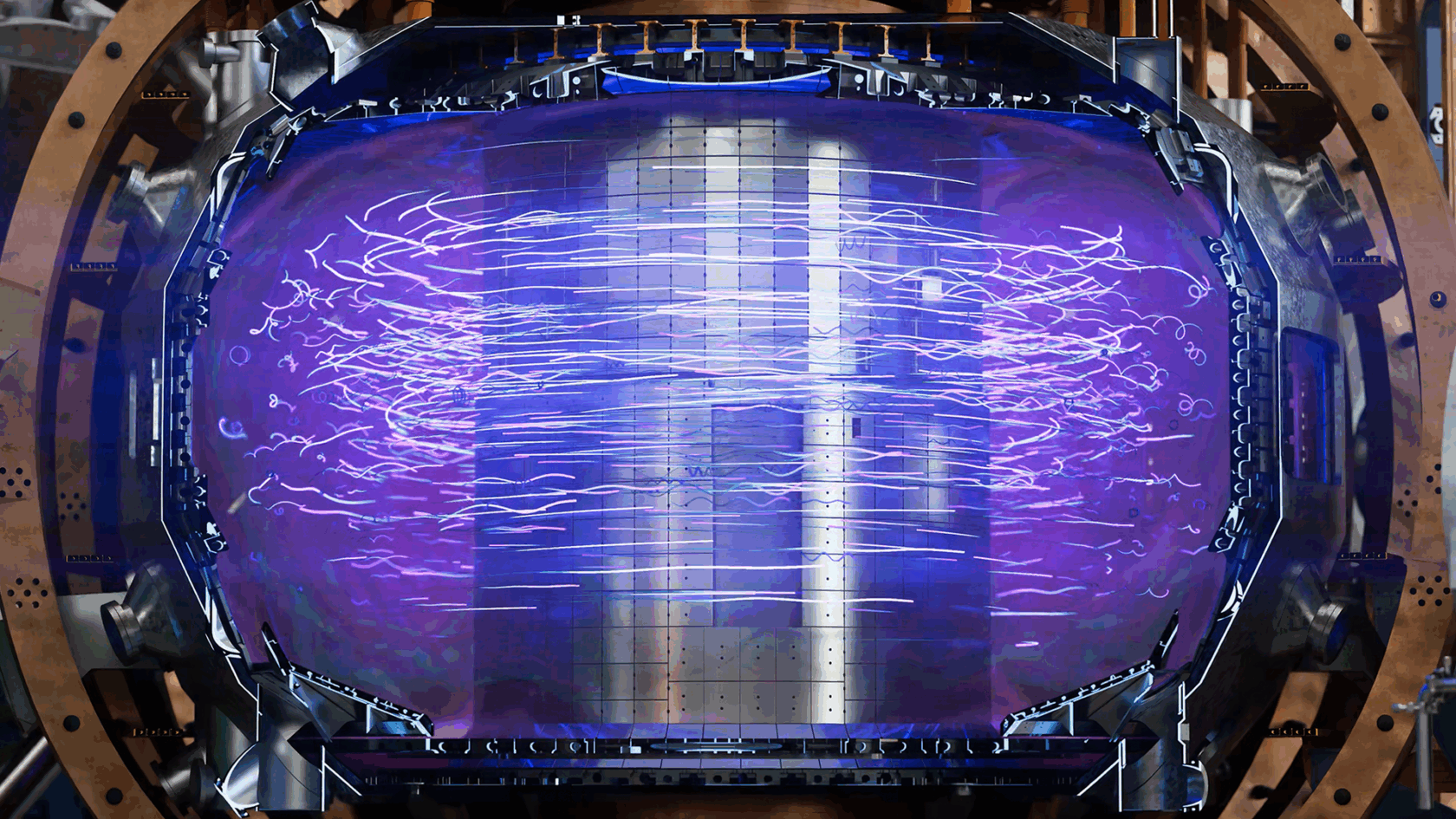
Fusion and solar tech got more funding:

  • More efficient solar film layers
  • Small-scale fusion reactors in testing
  • Cheaper battery technology

Impact:
Expect more rooftop and portable solar tech within 2โ€“3 years.

4. HEALTH & LIFE โ€” The Human Side of Progress

1. Mental Health Apps Became Smarter

AI wellness tools now:

  • Read stress patterns
  • Suggest meditation routines
  • Track sleep+hormone data
  • Offer micro-therapy guidance

People are turning to tech for emotional balance.


2. Fitness Is Shifting to Micro-Workouts

The trend this week:
5-minute high-intensity routines instead of 1-hour sessions.

Good for busy people and deliver similar calorie burn.


3. Nutrition Focus: Anti-inflammatory Foods

Doctors globally recommended:

  • Turmeric
  • Leafy greens
  • Berries
  • Omega-rich foods

Lifestyle diseases are becoming the worldโ€™s main battle.

1. Mental Health Apps Became Smarter

AI wellness tools now:

  • Read stress patterns
  • Suggest meditation routines
  • Track sleep+hormone data
  • Offer micro-therapy guidance

People are turning to tech for emotional balance.


2. Fitness Is Shifting to Micro-Workouts

The trend this week:
5-minute high-intensity routines instead of 1-hour sessions.

Good for busy people and deliver similar calorie burn.


3. Nutrition Focus: Anti-inflammatory Foods

Doctors globally recommended:

  • Turmeric
  • Leafy greens
  • Berries
  • Omega-rich foods

Lifestyle diseases are becoming the worldโ€™s main battle.

5. LIFESTYLE & CULTURE โ€” Society Keeps Evolving

1. Digital Minimalism Is Trending Again

People are cutting:

  • Social media time
  • Random scrolling
  • App overload

They prefer:

  • Focus
  • Learning
  • Mindful content
  • Simplified phones

2. Travel Trends: Slow Travel Rising

People prefer:

  • Longer stays
  • Fewer destinations
  • More meaningful trips

This is good for local communities and mental peace.


6. HOW THIS WEEK AFFECTS YOU

Here are practical takeaways for everyday life:

โญ 1. Start using 1โ€“2 AI tools

Even something simple like:

  • ChatGPT
  • Claude
  • Gemini
    can save you hours weekly.

โญ 2. If you run a small business โ€” adopt simple automations

Social media scheduling, customer replies, receipts โ€” all can be automated.


โญ 3. Keep an eye on clean energy and health tech

Both will create huge opportunities (jobs + investments) in the next decade.


โญ 4. Stay consistent with micro-learning

5โ€“10 minutes of reading daily = compound knowledge over time.


7. WHATโ€™S COMING NEXTโ€ฆ

In the next episode (Wednesday):

WORLD IN MOTION โ€” Episode 2

โ€œScience, Space & Health: The Discoveries Shaping Tomorrowโ€

Weโ€™ll explore:

  • New space mission updates
  • Energy innovations
  • Surprising medical breakthroughs
  • What researchers discovered in climate science
  • Impact on daily life and the future