Categories
Global Insights Tech & Trends World in Motion

๐ŸŒ WORLD IN MOTION โ€” Episode 1

Tech & Business Pulse: What the World Built This Week

Welcome to the first episode of World in Motion, your thrice-a-week global insights series from TortoiseFeel.
Every episode brings you the most important, exciting and useful developments from across technology, business, innovation and human progress โ€” in clear, simple language.

Letโ€™s dive in.

1. AI Assistants Are Becoming โ€œReal Workersโ€

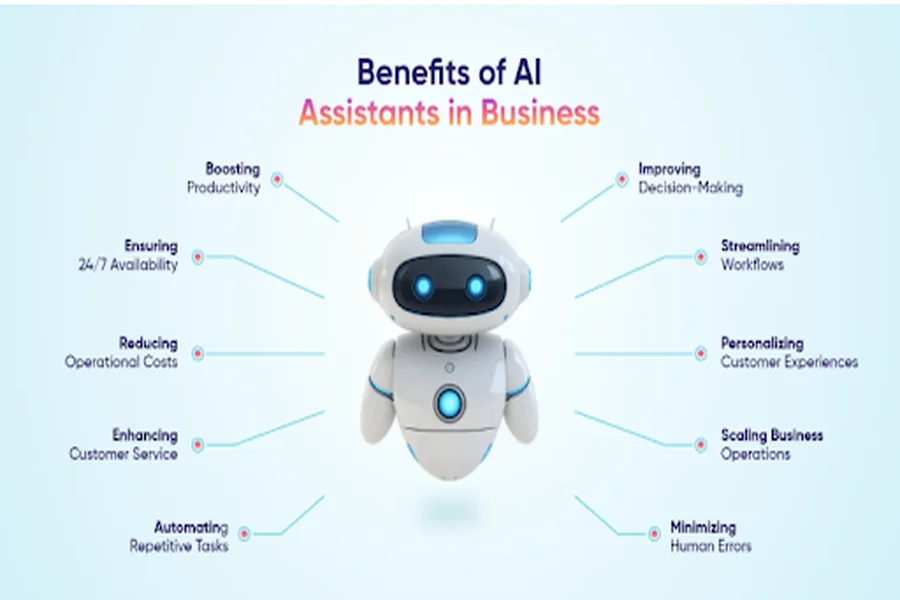
This week, major AI companies pushed updates that make AI assistants behave like employees, not tools:

  • They can now take actions inside apps
  • Schedule calendar tasks
  • Process emails
  • Pull data from your documents

Impact:
People will rely less on virtual assistants and more on AI โ€œmicro-workersโ€.
Businesses will save huge manual time.


2. AI Chips Race: Faster, Smaller, Greener

Chip companies introduced new processors that:

  • Are faster for AI model training
  • Use less electricity
  • Can fit into smaller devices

Impact:
Smartphones in 2025โ€“2026 will run AI offline without internet โ€” super fast and super personal.


3. Everyday AI Tools Growing Fast

This weekโ€™s most-used categories:

  • AI text โ†’ image tools
  • AI code helpers
  • AI research summarizers
  • AI video editors

People worldwide are adopting AI tools as casually as using Google.

2. BUSINESS & STARTUPS โ€” Money Is Moving in New Directions

1. Subscription Economy EXPANDED Again

More companies shifted to:

  • Monthly subscription
  • Annual pro plans
  • Micro-payments

The global subscription model is now projected to grow above $1.5 trillion by 2030.

Impact:
If youโ€™re building an app or service โ€” this is the best long-term model.


2. FinTech Boost: Digital Money โ†’ Mainstream

More countries tested:

  • Digital currency systems
  • Instant cross-border payments
  • QR-led ecosystems

Impact:
In the next 3โ€“5 years, sending money globally will be as easy as sending a text.


3. Important: Small Businesses are Adopting AI

Cafe ownersโ€ฆ freelancersโ€ฆ tutorsโ€ฆ shop ownersโ€ฆ
Everyone is starting to use:

  • AI for content
  • AI for customer queries
  • AI for marketing
  • AI for scheduling

The gap between AI users and non-users is widening.

3. SCIENCE & RESEARCH โ€” Big Leaps, Quietly Happening

1. Space Telescopes Detected New โ€œEarth-likeโ€ Signals

This week, space researchers spotted solar-system-like signatures that might indicate:

  • Planets with water
  • Stable atmospheres
  • Conditions similar to early Earth

No aliens โ€” just possibility of life-supporting environments.


2. Medical Research Shifted to Longevity

Researchers focused on:

  • Slowing cell aging
  • Repairing DNA damage
  • Extending human healthspan

Impact:
Within 10โ€“15 years, aging may be treated like a โ€œconditionโ€, not a destiny.


3. New Progress in Clean Energy

Fusion and solar tech got more funding:

  • More efficient solar film layers
  • Small-scale fusion reactors in testing
  • Cheaper battery technology

Impact:
Expect more rooftop and portable solar tech within 2โ€“3 years.

4. HEALTH & LIFE โ€” The Human Side of Progress

1. Mental Health Apps Became Smarter

AI wellness tools now:

  • Read stress patterns
  • Suggest meditation routines
  • Track sleep+hormone data
  • Offer micro-therapy guidance

People are turning to tech for emotional balance.


2. Fitness Is Shifting to Micro-Workouts

The trend this week:
5-minute high-intensity routines instead of 1-hour sessions.

Good for busy people and deliver similar calorie burn.


3. Nutrition Focus: Anti-inflammatory Foods

Doctors globally recommended:

  • Turmeric
  • Leafy greens
  • Berries
  • Omega-rich foods

Lifestyle diseases are becoming the worldโ€™s main battle.

1. Mental Health Apps Became Smarter

AI wellness tools now:

  • Read stress patterns
  • Suggest meditation routines
  • Track sleep+hormone data
  • Offer micro-therapy guidance

People are turning to tech for emotional balance.


2. Fitness Is Shifting to Micro-Workouts

The trend this week:
5-minute high-intensity routines instead of 1-hour sessions.

Good for busy people and deliver similar calorie burn.


3. Nutrition Focus: Anti-inflammatory Foods

Doctors globally recommended:

  • Turmeric
  • Leafy greens
  • Berries
  • Omega-rich foods

Lifestyle diseases are becoming the worldโ€™s main battle.

5. LIFESTYLE & CULTURE โ€” Society Keeps Evolving

1. Digital Minimalism Is Trending Again

People are cutting:

  • Social media time
  • Random scrolling
  • App overload

They prefer:

  • Focus
  • Learning
  • Mindful content
  • Simplified phones

2. Travel Trends: Slow Travel Rising

People prefer:

  • Longer stays
  • Fewer destinations
  • More meaningful trips

This is good for local communities and mental peace.


6. HOW THIS WEEK AFFECTS YOU

Here are practical takeaways for everyday life:

โญ 1. Start using 1โ€“2 AI tools

Even something simple like:

  • ChatGPT
  • Claude
  • Gemini
    can save you hours weekly.

โญ 2. If you run a small business โ€” adopt simple automations

Social media scheduling, customer replies, receipts โ€” all can be automated.


โญ 3. Keep an eye on clean energy and health tech

Both will create huge opportunities (jobs + investments) in the next decade.


โญ 4. Stay consistent with micro-learning

5โ€“10 minutes of reading daily = compound knowledge over time.


7. WHATโ€™S COMING NEXTโ€ฆ

In the next episode (Wednesday):

WORLD IN MOTION โ€” Episode 2

โ€œScience, Space & Health: The Discoveries Shaping Tomorrowโ€

Weโ€™ll explore:

  • New space mission updates
  • Energy innovations
  • Surprising medical breakthroughs
  • What researchers discovered in climate science
  • Impact on daily life and the future
Categories
Events & Outdoor Planning Sustainability & Environment

โ™ป๏ธ How to Manage Waste for a 100โ€“300 People Event for 1โ€“2 Weeks at an Out-of-City Location (Complete Guide)

https://greeneventninjas.com/wp-content/uploads/2019/03/Wire-Frame-Garbage-and-Recycling-Bins.jpg
https://crrhospitality.com/wp-content/uploads/2024/02/eco-friendly-waste-disposal-1024x585.jpg
https://www.recyclesmart.org/wp-content/uploads/2016/06/Waste-Stations.jpg

Managing waste for a large gathering of 100โ€“300 people over one or two weeks is not simple. It involves high volumes of food waste, plastic, mixed waste, sanitary waste, and recyclables.
When the event is located out of the city, challenges increase: limited municipal pickup, no formal disposal systems, and the risk of environmental pollution.

This guide gives you a real, proven, field-tested waste management plan used in:

  • Camps
  • Retreats
  • Corporate offsites
  • Spiritual programs
  • Educational camps
  • Wedding stays
  • Volunteer retreats

โญ Why Proper Waste Management Is Critical for Multi-Day Events

According to:

  • CPCB โ€“ Central Pollution Control Board
  • United Nations Environment Programme (UNEP)

Events of 150โ€“300 people generate approx 200โ€“350 kg of mixed waste per day without segregation.
If not managed responsibly, this leads to:

https://cleanmanagement.com/wp-content/uploads/2021/11/XcTniqr2NtGYTQiFsGvPHxUywbdOCgCu1636379010.jpg
  • Ground pollution
  • Rodent & insect infestation
  • Bad odour
  • Health hazards
  • Environmental harm to rural lands
  • Difficulty cleaning after the event

A planned system avoids all of this.

For smaller home events and daily use, you can also read my Backyard Dump Zone Setup Guide, which shows how to create a zero-smell waste zone in any home.


๐Ÿ“Š Waste Generation Estimate for 100โ€“300 People (1โ€“2 Weeks)

โœ”๏ธ Daily Waste Estimate (based on CPCB & MoEFCC averages)

Waste TypeApprox. per PersonTotal for 100โ€“300 People
Food/Kitchen Waste300โ€“500g30โ€“150 kg/day
Dry Waste (plastic, wrappers)100โ€“150g10โ€“45 kg/day
Paper/Cardboard50โ€“120g5โ€“36 kg/day
Sanitary Waste5โ€“10g0.5โ€“3 kg/day
Total Daily Wasteโ€”45โ€“234 kg/day

โœ”๏ธ For 1โ€“2 Weeks (7โ€“14 days)

Total waste can be:
3150 kg โ€“ 3276 kg (3.1 to 3.2 tonnes)

A proper system is mandatory.


๐Ÿงฉ Essential Components of an Off-City Waste System

  1. Central Waste Management Yard (Main dump zone)
  2. Decentralised collection bins (spread across event site)
  3. Compost area for all food waste
  4. Temporary recycling storage unit
  5. Sanitary waste incineration or sealed containers
  6. Daily logistics plan & manpower structure

Letโ€™s break this down.


๐Ÿ•๏ธ 1. Setting Up the Central Waste Management Yard

https://www.highspeedtraining.co.uk/hub/wp-content/uploads/2019/05/Construction-waste.jpg

Ideal Yard Size

25 ft x 25 ft for 100โ€“150 people
40 ft x 30 ft for 150โ€“300 people

https://crrhospitality.com/wp-content/uploads/2024/02/Waste-Management-for-Outdoor-Events-1024x585.jpg

Must Include

  • Roofed compost area
  • Dry waste warehouse (covered)
  • Sanitary waste container
  • Reject waste pit (closed)
  • Washing area with running water
  • Security nets (dogs, rodents)

Ground Preparation

  • 2-inch gravel layer
  • Slight drainage slope
  • Bamboo or tin-sheet roof

Not every event needs a large temporary yard. If you are hosting small gatherings or short stays, my guide on creating a backyard waste zone will help you manage kitchen and dry waste easily.

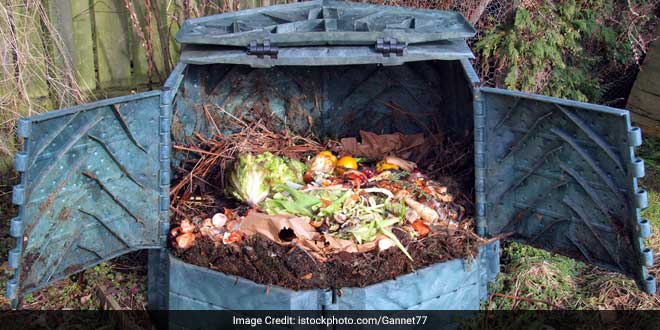
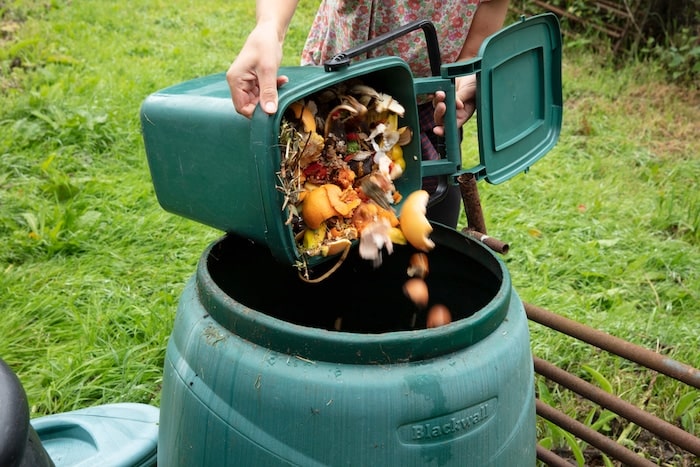
๐Ÿƒ 2. Kitchen Waste Composting Zone

https://www.vmcdn.ca/f/files/victoriatimescolonist/json/2023/02/web1_composter.jpg%3Bw%3D960%3Bh%3D640%3Bbgcolor%3D000000
https://ecofriendlybliss.com/wp-content/uploads/2024/09/How-to-Organize-a-Community-Composting-Program.webp

Recommended System: Large Drum Composters

For 100โ€“300 people:

  • 6 to 12 drums (200โ€“250L each)

Scientific Ratio

1 part food waste
3 parts carbon (dry leaves, shredded cardboard, sawdust)

Daily Process

  • Collect food waste from kitchen & dining area
  • Add dry leaves layer
  • Sprinkle microbial culture (EM solution)
  • Seal the drums

Why Effective

  • Zero smell
  • Fast decomposition
  • Rodent-proof
  • Minimal manpower
  • Based on FAO & Swachh Bharat composting standards

๐ŸŸฆ 3. Dry Waste & Recycling Zone

https://www.recyclingbins.co.uk/cdn/shop/articles/Outdoor_Recycling_Bins.webp?v=1711484935
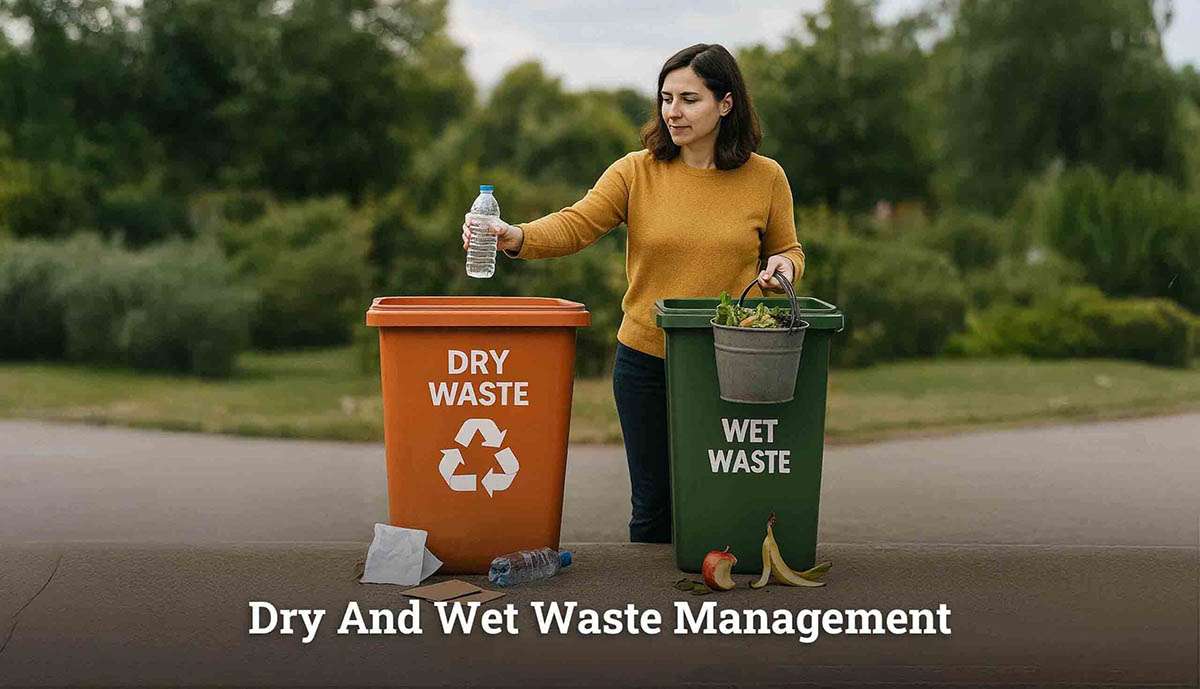
https://www.banyannation.com/wp-content/uploads/2025/04/Dry-And-Wet-Waste-Management-scaled-1.jpg

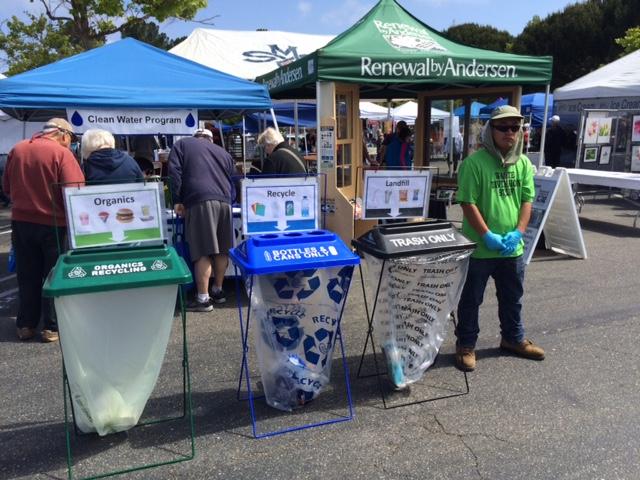
Required Categories

  • Blue: Recyclables
  • Yellow: Paper / cardboard
  • Green: Reusable items
  • Black: Reject waste

Store recyclables for weekly pickup by:

  • Scrap dealer (kabadi)
  • Local recycler
  • NGO like SWaCH, Saahas, ReCircle

Storage

Keep dry waste in:

  • Gunny bags
  • Large crates
  • Stackable bins
  • Sheltered ventilation area

๐Ÿšบ 4. Sanitary Waste Management (Critical)

https://reliefweb.int/sites/default/files/styles/large/public/previews/a2/b5/a2b54fdf-7de4-34e2-b166-498144bc7487.png
https://blogger.googleusercontent.com/img/b/R29vZ2xl/AVvXsEhxNSqR_97JGzCCkeBNzWOIuOIGgHxYEtzDBKi4gzH8f5wIsRSvxVyMGA0qlxH-QGrqCjbNBE35L-DopHVS18glmpd9l70qsjuGmjacIJW5atEV93at8HqyMYAOTXJGryiyTXV-6tffmTPL4Oo2kkt33xh8QwtZnSVrI_e3aIU5fq1l3JGA7mg7RBbQAZM/s1769/3.jpg

DO NOT mix with other waste.

For 100โ€“300 people:

  • Provide sanitary bins in all toilets
  • Use double-sealed sanitary waste bags
  • Store in sealed drums
  • Arrange weekly municipal pickup or tie-up with local PHC

If allowed locally:

  • Use electric sanitary napkin incinerator (eco-certified)

๐Ÿฝ๏ธ 5. Decentralised Waste Collection Points

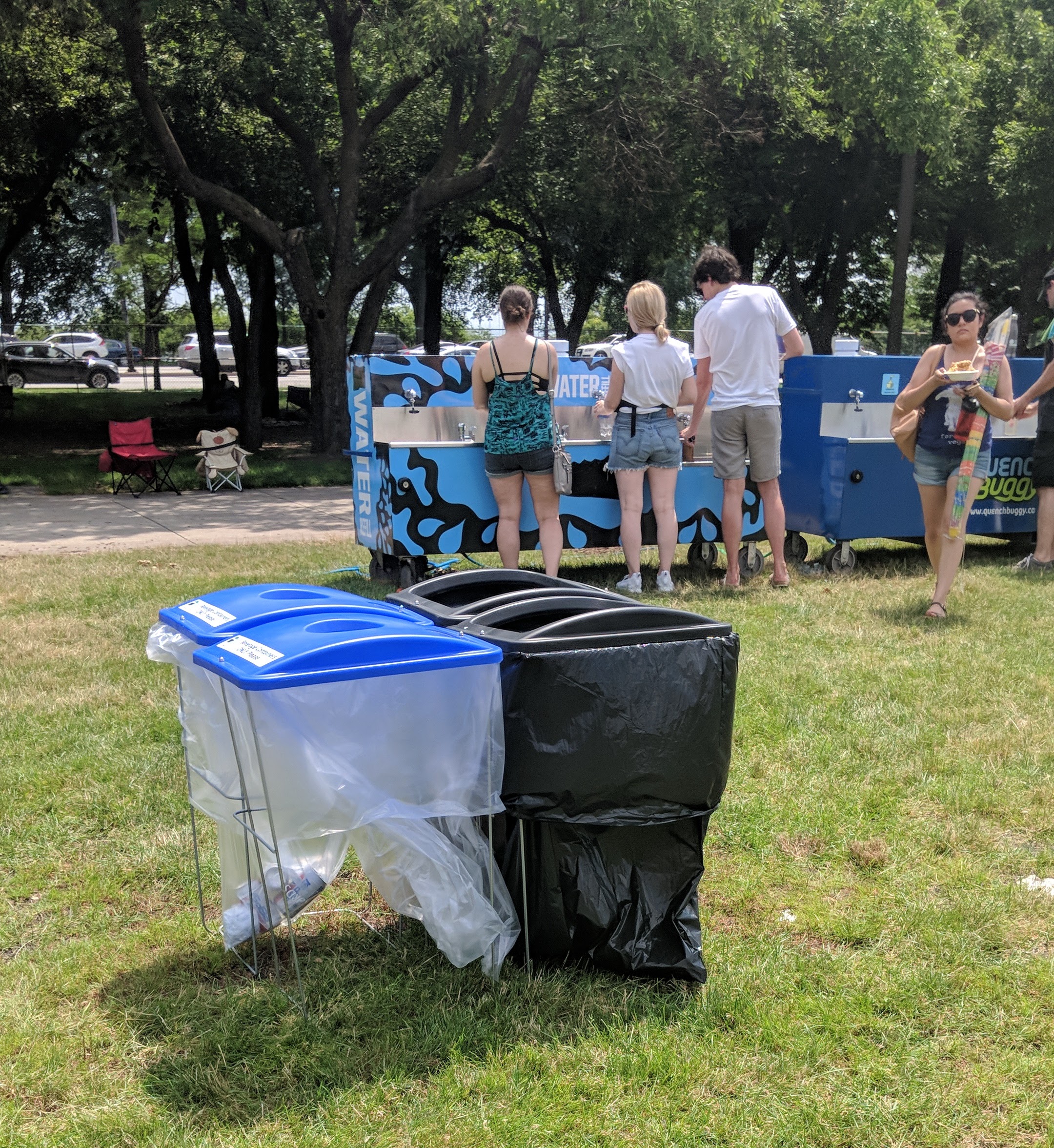
Place 3-bin stations across:

  • Dining area
  • Accommodation tents/rooms
  • Activity zones
  • Parking area

Best Layout

1 waste station per 25โ€“30 people

Total needed for 300-people event: 10โ€“12 stations

Bin Types

  • Wet
  • Dry
  • Reject

๐Ÿ‘ท 6. Manpower Requirement

For 100โ€“150 people

2โ€“3 people full-time

For 150โ€“300 people

4โ€“6 people full-time

Roles:

  • Waste collectors
  • Compost team
  • Dry waste sorting
  • Night closure team

๐Ÿ“… 7. Daily Waste Management Routine

https://wastehero.io/wp-content/uploads/2022/11/waste-automated-workflows.png
https://www.dailydump.org/cdn/shop/files/Blog-Banner-02.jpg?v=1631354256

Morning (8 AM)

  • Collect previous nightโ€™s waste
  • Open compost drums for aeration
  • Sort dry waste

Afternoon (2 PM)

  • Second round of collection
  • Add dry leaves to compost

Evening (8 PM)

  • Last collection round
  • Wash bins & close stations
  • Sanitary waste sealing

Night (10 PM)

  • Final closure of yard
  • Cover all drums & bins
  • Spray bioenzyme

๐Ÿงช 8. Odour & Insect Control (Scientifically proven)

Use:

  • Neem powder
  • Bokashi bran
  • Bioenzyme spray
  • Lime powder
  • Camphor diffuser
  • Mosquito mesh

Backed by:

  • BARC Composting Guidelines (India)
  • FAO Organic Waste Standards

๐Ÿš› 9. Final Disposal Plan After 1โ€“2 Weeks

โœ”๏ธ Compost drums stay on-site (they continue processing)
โœ”๏ธ Recyclables taken by scrap dealer
โœ”๏ธ Reject waste taken to authorized landfill
โœ”๏ธ Sanitary waste pickup by PHC/municipality
โœ”๏ธ Area disinfected using bioenzyme + bleach


๐ŸŒฑ Long-Term Environmental Benefits

According to UNEP & CPCB:

  • Composting reduces methane emissions by 35โ€“40%
  • Recycling plastic saves 70% energy
  • Segregation reduces landfill load by 65โ€“80%
  • Clean sites reduce vector-borne diseases

Your event becomes eco-responsible, compliant & safe.

If you’re looking for a simpler setup for single-day or home-based events, check out my Complete Backyard Solid Dump Zone Guide.
It shows an easy 3-zone system you can build in your home in just a few hours.

Categories
Events & Outdoor Planning Sustainability & Environment

๐ŸŒณ How to Build a Clean, Zero-Smell Dump Zone in Your Backyard for Kitchen & Event Waste (Complete Guide)

https://w.ndtvimg.com/domain/3/2017/04/17113243/learn-the-art-of-composting.jpg

Managing waste during house events can quickly become chaoticโ€”overflowing bins, insects, smell, and the burden of cleaning the next morning. A Backyard Solid Dump Zone solves all of this.

If you’re planning a bigger gathering with 100โ€“300 people for multiple days, check out my complete guide on large-scale event waste management for out-of-city locations. It explains how to set up a temporary waste yard and manage 1โ€“2 weeks of waste effectively.


This guide will teach you exact, real-life methods to set up a clean, safe, and legally responsible waste handling zone at home.

https://www.homebiogas.com/wp-content/uploads/2023/09/Compost-bin.jpg

This system works perfectly for:

โœ”๏ธ Home functions
โœ”๏ธ Parties
โœ”๏ธ Family gatherings
โœ”๏ธ Daily kitchen waste
โœ”๏ธ Small community events

https://gumlet.assettype.com/down-to-earth/import/library/large/2018-05-21/0.83588600_1526894231_waste-segregation---wikimedia-commons.jpg?auto=format%2Ccompress&enlarge=true&fit=max&h=675&w=1200

Letโ€™s build a zero-smell, hygienic, environment-friendly waste zone.


โญ Why a Backyard Dump Zone Is Important

https://i.pinimg.com/736x/3d/0a/b3/3d0ab39f5d76674bf5ef700ade933043.jpg

A dedicated waste zone helps:

  • Prevent smell & insect infestation
  • Avoid mixing recyclables with food waste
  • Reduce landfill contribution
  • Produce natural compost for plants
  • Keep event space clean and presentable
  • Make next-morning cleanup effortless
https://www.cleanindiatech.com/blog/wp-content/uploads/2022/04/Householdwastemanagement.jpg

According to the Ministry of Environment, Forest and Climate Change (MoEFCC), source segregation (separating wet, dry, and sanitary waste) reduces up to 70% of landfill load.


๐Ÿงฉ The 3-Zone Dump System (Scientifically Proven)

Every effective waste system includes three zones:

  1. Kitchen Waste / Compost Zone
  2. Dry & Generic Waste Zone
  3. Wash & Sanitisation Zone

This structure is based on Solid Waste Management Rules, 2016 (India) and global zero-waste home practices.


๐ŸŸฉ 1. Kitchen Waste Zone โ€“ Composting Area

https://content.instructables.com/FN4/NEIE/FEFS0AKJ/FN4NEIEFEFS0AKJ.jpg?auto=webp

This zone handles:

  • Food scraps
  • Vegetable peels
  • Leftover cooked food (small quantity)
  • Floral waste
  • Tea leaves, coffee grounds
https://www.thespruce.com/thmb/OKJzktTN3PeTkF7-a3NEFYARNls%3D/1500x0/filters%3Ano_upscale%28%29%3Amax_bytes%28150000%29%3Astrip_icc%28%29/practicallyfunctional-696f8ba14d0d42a8930fb8c25c4cc9e8.jpg

โœ”๏ธ Materials Needed

  • 2โ€“3 Plastic drums (200L) or a brick chamber
  • Dry leaves / cocopeat / sawdust
  • Bricks to elevate drums
  • Mesh for insect protection
  • A simple roof (tarp or tin sheet)

โœ”๏ธ Real-Life Setup Steps

  1. Drill 10โ€“12 holes around the drum for airflow.
  2. Elevate drum on bricks for ventilation (mandatory to prevent foul smell).
  3. Add a layer of dry leaves at the base.
  4. Add kitchen waste daily.
  5. Always top with 3X quantity dry leaves (carbon source).
  6. Close the lid tightly to avoid insects.

โœ”๏ธ Scientific Proof

The ratio 1 part nitrogen (food waste) : 3 parts carbon (dry leaves) is recommended by:

  • UN Food & Agriculture Organization
  • Swachh Bharat Mission โ€“ Composting Guidelines

This ratio prevents smell, maggots, and slow composting.

Handling waste for bigger events requires a different approach. For multi-day retreats or camps, hereโ€™s the complete 100โ€“300 people waste management plan you can follow.


๐ŸŸฆ 2. Dry Waste & Generic Waste Zone

https://canaansitefurnishings.com/wp-content/uploads/2017/05/Commercial-Outdoor-Recycling-Station-CRC-707.jpg
https://upload.wikimedia.org/wikipedia/commons/thumb/a/a7/NEA_recycling_bins%2C_Orchard_Road.JPG/1200px-NEA_recycling_bins%2C_Orchard_Road.JPG

This zone handles:

  • Plastic bottles
  • Tetra packs
  • Glass
  • Cardboard
  • Metal cans
  • Plastic wrappers
  • Thermocol

โœ”๏ธ How to Set Up

  • Use 3 bins:
    • Blue: Recyclable
    • Black: Non-recyclable
    • Red: Reject waste / sanitary waste
  • Place bins on wooden pallets to prevent moisture and rats entering.
  • Use a mesh cover to avoid flies and animals.

โœ”๏ธ Practical Tip

Mixing wet waste with dry waste makes 90% of recyclables useless (Source: Central Pollution Control Board).
Your segregation ensures they remain clean and sellable.


๐Ÿ’ฆ 3. Wash & Sanitisation Zone

https://www.thespruce.com/thmb/u7EScpF3Jd25CB3YCGhI4uBnvpc%3D/1500x0/filters%3Ano_upscale%28%29%3Amax_bytes%28150000%29%3Astrip_icc%28%29/98086664_275207843883198_6051492243788058353_n-ddd918dc2135436a9c34d858559f539d.jpg

โœ”๏ธ Components

  • Water drum with tap
  • Washing tub
  • Gloves & brush
  • Bio-enzyme disinfectant spray
  • Floor with a slight slope for drainage
https://hgtvhome.sndimg.com/content/dam/images/hgtv/fullset/2020/1/9/2/original_Shain-Rievley_rainbarrel-beauty2.jpg.rend.hgtvcom.1280.720.85.suffix/1580747509103.webp

โœ”๏ธ Why this is essential

This zone prevents food particles from rotting in the dump zone and helps keep the backyard bacteria-free.


๐ŸŽ‰ Event-Day Waste Management Plan

https://images.squarespace-cdn.com/content/v1/5bf30bf7e74940b20f0b1e58/1618946841303-84KOVVAQC9K1DJZC2E2O/RCRF_2019_group%2B%281%29.jpg

โœ”๏ธ Strategy for Smooth Operation

  • Keep waste counters inside event area.
  • Assign 1โ€“2 volunteers to shift waste every 2 hours to backyard zone.
  • Keep extra dry leaves and sanitiser ready.
https://www.researchgate.net/publication/364119908/figure/fig1/AS%3A11431281087736878%401664810823870/Waste-Management-Process-Flow-22-Code-of-Practice-From-the-point-of-generation-through.ppm

โœ”๏ธ Why it’s important

The National Green Tribunal states only segregated waste should be stored longer than 24 hours at home.
This event-day routine ensures compliance.


๐ŸŒ™ Night Shutdown Routine

Before sleeping:

  • Close all bin lids
  • Cover compost drums
  • Clean floor with disinfectant
  • Tie bags of recyclables
  • Remove food spills

This prevents animals, rodents, and insects from entering the area at night.


๐Ÿ” Weekly Maintenance Checklist

https://www.bhg.com/thmb/aKdd8ynERkPsbMpJIBLpVBQdd8w%3D/2125x0/filters%3Ano_upscale%28%29%3Astrip_icc%28%29/GettyImages-1355559503-745cb2444bda4df8b6f2611de10593cb.jpg

โœ”๏ธ Turn compost bin
โœ”๏ธ Spray bioenzyme (neutralises odour)
โœ”๏ธ Sell recyclables to scrap dealer
โœ”๏ธ Clean dry waste zone floor
โœ”๏ธ Use bleaching powder on edges for insects

Compost Harvest Time

You can expect ready compost in 60โ€“90 days, depending on weather.


๐ŸŒฑ Environmental Impact of Setting Up This Dump Zone

According to CPCB & MoEFCC data, a home-level waste segregation system:

  • Cuts food waste going to landfill by 60โ€“80%
  • Reduces methane emissions by 25โ€“35%
  • Produces natural compost, reducing chemical fertilizer use
  • Keeps recyclables clean & valuable
  • Prevents vector-borne diseases (mosquitoes, flies)

This is one of the most effective home-level sustainability actions.

Going beyond backyard waste management?
Read the detailed guide for managing waste for 100โ€“300 people during a 1โ€“2 week outdoor event โ€” perfect for retreats, weddings, and residential camps.

ai attention economy base color capacitor css download error February fixed founder free frontend future of work guide gujarat how html india india-state indiastate indiaterritory interview islands javascript laravel learning map Mark Zuckerberg mumbai nextjs performance psychology php react reactjs Sharing social media Social Platform solved state state-india svg svg-map territory train like gold vercel

Categories
Learning

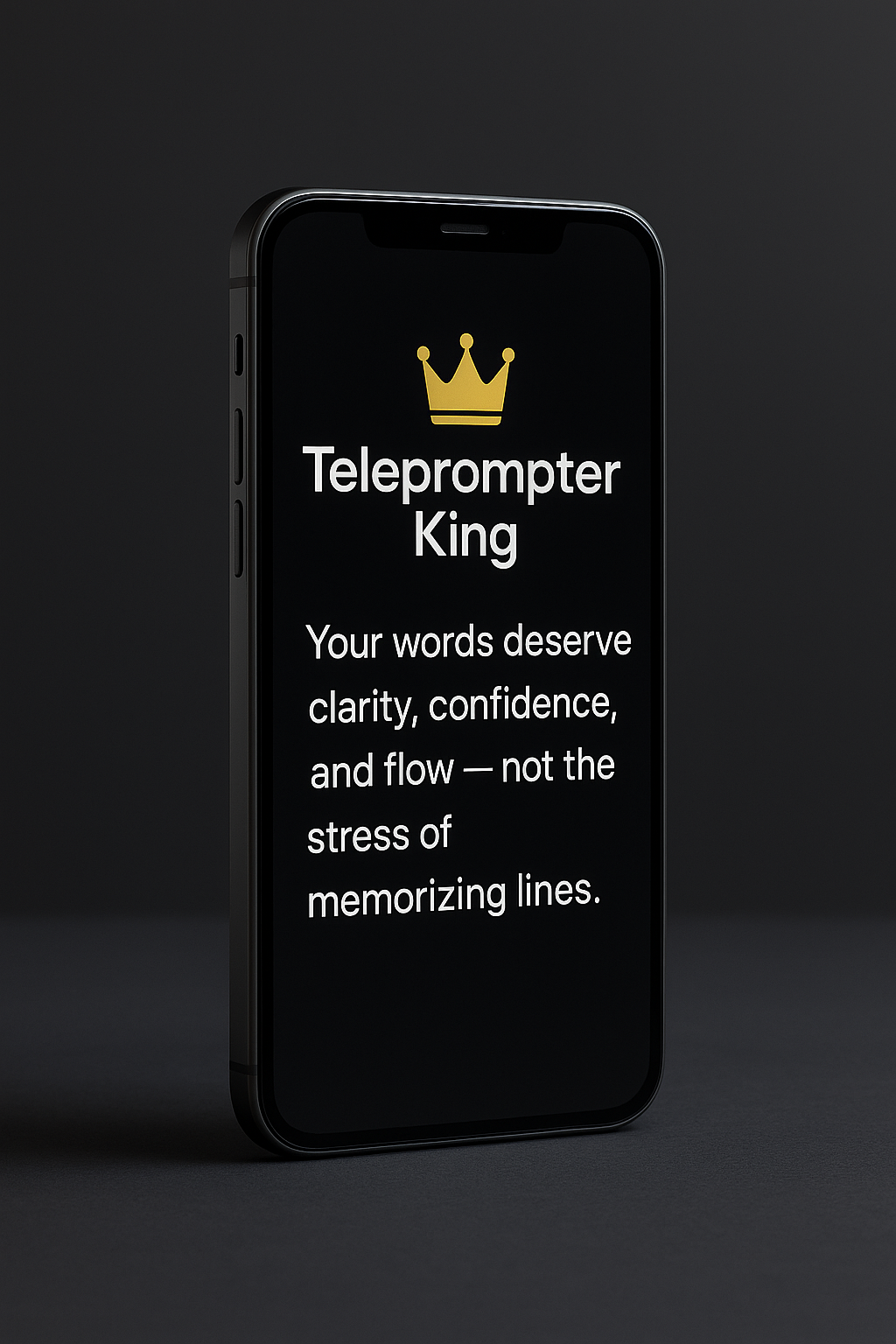
Telepromp King: Speak Confidently. Present Powerfully.

Your words deserve clarity, confidence, and flow โ€” not the stress of memorizing lines.

Whether you’re recording a video, delivering a keynote, hosting a webinar, or creating content for social media โ€” your message matters. But remembering what to say, staying natural, and maintaining eye contact with the camera can be challenging. Telepromp King was created to solve exactly that.

Teleprompter King is more than just a script scroller. Itโ€™s your speaking assistant, presentation coach, and on-camera confidence booster โ€” all in one.


Why Telepromp King?

Unlike basic teleprompter apps that simply scroll text, Telepromp King focuses on: โœ… Natural eye contact
โœ… Smooth delivery
โœ… Comfortable speaking pace
โœ… Effortless script control

This means your audience hears your message exactly how you intend โ€” confident, clear, and human.


โญ Key Features That Make Telepromp King Stand Out

  1. In-Camera Teleprompter

Record videos while reading your script directly on screen โ€” without breaking eye contact. Perfect for:

YouTubers & creators

Business pitches

Online lessons

Reels, Shorts, TikToks

Your audience sees your eyes. Your delivery stays natural.


  1. Adjustable Scroll Speed & Font Controls

Speak at your pace, not your teleprompterโ€™s.

Control speed with a slider

Adjust font size, spacing, and width

Dark mode / Light mode for comfort

Your script flows how you think.


  1. Magic Voice-Controlled Auto Scroll

Just speak โ€” and the teleprompter listens.
When you pause, it pauses.
When you speak, it scrolls.
No more tapping or timing anxiety.

This is presentation freedom.


  1. Floating Widget Teleprompter

Overlay your script on any app, including:

Zoom / Meet / Teams

Instagram Live

Camera app

Browser

PowerPoint

OBS

Deliver live speeches without anyone knowing.
Professional presenters love this feature.


  1. Import Scripts Instantly

Add your script in seconds:

Copy & paste

Import from PDF / TXT

Sync from Google Drive & Notes

Save drafts securely

No formatting pain. Just seamless writing-to-speaking workflow.


  1. Smart Highlights & Focus Tracking

Your current line highlights while others stay subtle.
This helps reduce:

Eye jumping

Word skipping

Speech anxiety

Better focus โ†’ Better delivery.


  1. Mirror & External Display Mode

Use with:

Physical teleprompter glass rigs

Tripods

Dual monitors

Right out of the box โ€” no extra setup hacks required.


๐Ÿ’ผ Who Is Teleprompter King For?

Profession / Role How It Helps

Content Creators Record smooth, natural videos consistently
Coaches & Educators Deliver lessons clearly and confidently
Business Professionals Nail investor pitches & presentations
Students Present with clarity and steady pace
Podcasters & Voice-over Artists Maintain perfect narrative flow

Teleprompter King grows with your speaking journey โ€” from beginner to pro.


๐Ÿ† The Real Benefit: Confidence

Most people donโ€™t struggle with ideas.
They struggle with:

Forgetting key points

Rushing words

Losing eye contact

Getting nervous mid-speech

Teleprompter King eliminates all of that.
You sound prepared. You look confident. You deliver like a natural.


๐ŸŽฏ Final Message

Your voice has value.
Your message deserves to be heard with clarity.
And your presence deserves confidence โ€” not anxiety.

Telepromp King gives you the confidence to speak at your best. Every time.


Ready to present like a pro?

๐Ÿ‘‰ Check Telepromp King now

Categories
Blog Life & Nature

๐ŸŒŸ What Jesus Loved: A Journey Into the Heart of His Life and Message

When we talk about Jesus, we often talk about what He did:
the miracles, the teachings, the cross, the resurrection.

But to truly understand Him, we must look at something deeper:
What did Jesus love?
What moved Him?
What was the pulse of His life?

Because love was not just something Jesus taught.
It was something He lived, moment by moment, breath by breath.

This is not just history.
This is the blueprint for a life filled with meaning, peace, and purpose.


  1. Jesus Loved God With His Whole Being

Jesus did not simply believe in God.
He lived in connection with God โ€” the way a tree lives rooted to the soil.

He would slip away early in the morning
to quiet hills and silent lakeshores.
There, the world fell away, and only love remained.

He spoke to God not as a distant power,
but as Abba โ€” a loving, intimate Father.

When we place God first,
everything else finds its place.


  1. Jesus Loved People โ€” Fully, Completely, Without Choosing

He loved:

The forgotten

The broken

The rejected

The proud

The kind

The sinners

The saints

No walls.
No labels.
No conditions.

Jesus did not love because people were perfect.
He loved because love itself transforms.

He saw what others couldnโ€™t see โ€”
the child of God within each person.


  1. Jesus Loved to Forgive, Even When It Hurt

Forgiveness was not weakness to Him.
It was freedom.

On the cross โ€” in pain, abandoned โ€”
He did not curse.
He did not hate.
He prayed.

โ€œFather, forgive them.โ€

He taught us the most difficult and most healing truth:

Forgiveness is not saying that what happened was okay.
Forgiveness is choosing to be free.


  1. Jesus Loved Teaching the Heart, Not Just the Mind

He did not preach at people.
He sat with them, walked with them, ate with them.

He used:

Seeds

Birds

Bread

Light

Water

Simple things โ€” because the deepest truths
are always simple.

His message was clear: Life itself is a classroom of love.


  1. Jesus Loved Peace โ€” Inner and Outer

He did not seek applause, argument, or victory.
He sought stillness.

Peace was not just the absence of conflict โ€”
It was the presence of God inside the heart.

He said:

โ€œMy peace I give to you โ€” not as the world gives.โ€

The peace of Jesus is a quiet river
that flows even during storms.


  1. Jesus Loved Justice โ€” Gentle, Firm, and Courageous

He stood up for the weak.
He challenged hypocrisy.
He overturned tables when love was being blocked.

But even in justice โ€”
His motive was never anger.

It was love defending love.

True justice is not revenge.
True justice restores dignity.


  1. Jesus Loved Serving Others

He washed His disciplesโ€™ feet โ€”
the act of a servant.

He wanted to show: Love is not proven by words.
Love is proven by service.

Greatness is not height.
Greatness is humility.


  1. Jesus Loved the Quiet Beauty of Nature

He prayed on mountains.
He taught by the sea.
He walked among olive trees.

Nature was His prayer room.
He saw God in:

The wind

The flowers

The sunrise

The silence

And He invites us to see it too.


๐ŸŒˆ The Heartbeat of Jesus

If we bring everything together, it becomes:

Love God.
Love People.
Forgive.
Serve.
Live in Peace.
Stand for Truth.
Stay Close to Nature.

This is not a religion.
This is a way of being.


๐ŸŒน A Reflection for Your Heart

Pause for a moment.

Breathe.

Let this sink in:

Your life becomes richer
not when you gain more โ€”
but when you love more.

Jesus shows us that love is the only treasure that grows when shared.
And every day gives us another chance to choose it.


A Closing Whisper

You are loved.
More deeply than you can imagine.

And you, too, were created
to love like Jesus loved.

Not perfectly.
But purely.

With sincerity.
With courage.
With an open heart.

This is the real miracle.

Categories
Learning

Mumbai Local: The Lifeline That Breathes the City

Time in Mumbai is not measured in hours.
It is measured in train timings.

โ€œ9:14 Fast.โ€
โ€œ7:32 Slow.โ€
โ€œChurchgate side window seat.โ€

For millions, the Mumbai Local is not just a train โ€” it is routine, identity, culture, survival, emotion, and connection compressed into metal coaches running on rail tracks.

Most cities grow around transport.
Mumbai grew because of its trains.


A City That Starts Moving Before It Wakes

It is 8:47 AM at Borivali station.

The platform vibrates before the train arrives.
You donโ€™t need an announcement โ€” your body knows.

  • The pushing.
  • The rhythm of footsteps.
  • The synchronized boarding.
  • The unspoken agreements.
  • The occasional smile in the chaos.

Mumbai does not wake up slowly.
It rushes into life with the arrival of the first train.

Here, movement is survival. Stillness is luxury.


The First Breath of the Lifeline

The story begins on 16 April 1853, with Indiaโ€™s first passenger train:
Bombay to Thane, 34 km.

What started as a colonial infrastructure project slowly became the arterial system of an entire city.

Today:

RouteLinePassengers/Day
Churchgate โ†” VirarWestern~3.5 million
Chhatrapati Shivaji Maharaj Terminus โ†” KalyanCentral~3.3 million
CSMT โ†” Panvel & Andheri โ†” PanvelHarbour~1+ million

Total: Over 8 million people travel daily โ€” more than the entire population of some countries.

On these tracks, Mumbai breathes.


The Invisible Order Inside Chaos

To outsiders, the Mumbai Local looks like madness.
To those inside, it is mathematical precision.

There are rules โ€” not written, not spoken โ€” but universally followed:

  • Three stations seat-sharing system
    • โ€œ4th aage, 2nd badme.โ€
  • Window seat protocol:
    Ask once, wait your turn. No arguments.
  • Ladies compartment communication runs like radio waves โ€” faster than the internet.
  • If someone falls, the train does not move until they stand back up.
  • The moment someone coughs โ€” five people offer Vicks, water, or home remedies.

In the most crowded space, humanity breathes the loudest.


Stories That Live Inside Coaches

You will never remember the faces.
But you will remember:

  • The uncle who told stock market tips daily.
  • The student group studying for MPSC exams together.
  • The girl from Andheri who shared songs via Bluetooth in 2011.
  • The man who ate poha every day like a ritual.
  • The grandmother who distributed prasad on Ekadashi.

And sometimesโ€ฆ
A train journey becomes a chapter in someoneโ€™s life.

People have:

  • Made friends here.
  • Started businesses together.
  • Found soulmates.
  • Lost love.
  • Met again after years.
  • And shared silence without needing words.

Every compartment is a moving storybook.


When the City Stops Moving

Ask any Mumbaikar:

  • Rains can flood roads.
  • Strikes can shut markets.
  • Power can go out.

But when the local trains stop,
Mumbai freezes.

Because:

  • Offices cannot function.
  • Markets cannot open.
  • Dabbawalas cannot deliver.
  • Students cannot reach exams.
  • The cityโ€™s heartbeat pauses.

In 2005 floods, people walked on tracks โ€” not to go home โ€” but to keep hope moving.


Tradition Meets Technology

The system is old, but the innovation is constant.

Yetโ€ฆ

The most important things are still:

  • The guardโ€™s whistle.
  • The motormanโ€™s judgment.
  • The crowdโ€™s collective discipline.

Technology helps movement.
But trust keeps the system alive.


The Mumbai Local Is a Teacher

If you have traveled in Mumbai locals long enough, they teach you:

LessonMeaning
AdjustLife is shared space. Make room.
Time is everythingOne missed minute changes everything.
Strangers are not enemiesHelp comes from unexpected places.
Chaos can have harmonyLife does not need to be perfect to work.

The people of Mumbai are not strong by choice.
The city trains them to be.

Literally.


Conclusion: The Heartbeat Never Stops

A Mumbai Local is more than compartments and engines.

It is:

  • Thousands of stories moving side by side.
  • Millions of lives synchronized in motion.
  • A reminder that we rise by moving together.

The Mumbai Local is not a train.

It is the shared heartbeat of a city that never stops.

Categories
Learning

๐Ÿ† How Billionaires Really Make Money: Deep Insights Youโ€™ve Never Heard Before

Introduction โ€” the truth behind the myth

In headlines, billionaires look like overnight legends. The deeper truth is quieter: extreme wealth is built by people who see patterns others donโ€™t, design systems that scale, and take asymmetric bets on the future. This article is a practical blueprint โ€” not get-rich-quick noise โ€” that explains how billionaires spot opportunities, build leverage, and compound ownership over time.


  1. They watch behavior, not buzz

Most people chase headlines. Billionaires watch small behavioral shifts โ€” the tiny moves that precede mass adoption. When people started ordering books online, Bezos saw a future for broader e-commerce; when short-form video captured attention, platforms shifted to serve that behavior. Observing what people do (not just what they talk about) reveals the next product categories and platforms worth building.


  1. They remove friction โ€” thatโ€™s where profit lives

Every big business removes a real friction point:

Uber made hailing a ride predictable and traceable.

Airbnb unlocked idle hospitality inventory.

Stripe turned complex payments into a developer-friendly API.

Removing friction creates immediate value and gives you an edge thatโ€™s easily monetizable. If a process takes ten steps today, a ten-step reduction is a product that customers will often pay for.


  1. They build platforms, not just products

A product earns once. A platform earns repeatedly โ€” and grows via network effects. Platforms invite third parties to create value on top of your infrastructure (app stores, marketplaces, payment rails). The highest multipliers come from being the infrastructure others rely on.


  1. They read cultural shifts, not just markets

Big outcomes happen when culture, technology, and infrastructure line up. Tesla rode an eco-cultural wave; creators and platforms rode an attention shift. Billionaires often bet on cultural direction โ€” not just financial metrics.


  1. They blend data and intuition

Data narrows options. Intuition picks the path. Steve Jobs didnโ€™t poll consumers about a touchscreen iPhone โ€” he trusted a vision and used design to make the market fall into place. But scaling that vision requires ruthless data testing and iteration.


  1. They build optionality and play the long game

Rather than betting everything on one idea, they create multiple paths and allow winners to compound. Bezos moved from books โ†’ general e-commerce โ†’ cloud services. Musk built across autos, energy, and rockets. Each bet expands the web of opportunities.


Mini Case Study 1 โ€” Amazon: platform, logistics, and compounding bets

What happened: Bezos started Amazon as an online bookstore (1994). Over time Amazon built fulfillment, seller marketplaces, and AWS โ€” each a platform that unlocked new revenue models and exponentially scaled value.

Why it fits the framework: It began by removing friction (easy online buying), then built platform layers (marketplace, cloud), and continuously re-invested to create optionality. (Industry overviews and timeline: Forbes coverage).


Mini Case Study 2 โ€” Stripe & Payments: remove complexity, sell to builders

What happened: Stripe was founded to simplify online payments for developers. Instead of selling to CFOs, Stripe sold an elegant developer API and documentation โ€” removing technical and legal friction for startups and platforms. It scaled via integrations and then expanded to broader financial services and infrastructure.

Why it fits the framework: Friction removal (developer-first payments), platform mentality (payments + business tools), and timing (rise of e-commerce and subscription businesses). (Industry writeups and company history: public articles).


Data snapshot โ€” where billionaire wealth commonly originates

(A short table summarizing recent industry distribution of billionaires โ€” useful to cite for context.)

Industry (example) % of billionaires (approx.) Source

Finance & Investments ~14โ€“16% Forbes analysis of billionaire origins.
Technology ~12โ€“14% Forbes โ€” tech remains top wealth generator.
Fashion & Retail ~9โ€“11% Forbes industry breakdown.

Note: totals vary year-to-year; Forbes publishes yearly breakdowns of billionaire industries (use their chart for a direct embed).


Addressing the counter-narrative (brief, balanced view)

It’s important to acknowledge critiques: organizations like Oxfam point out that a significant portion of extreme wealth is tied to structural advantages (inheritance, regulatory capture, tax strategies), and that billionaire wealth rose dramatically in recent years โ€” facts that shape public policy debates. Including this balance makes your analysis more credible.


Actionable Roadmap โ€” apply the billionaire lens (Week โ†’ Month โ†’ Year)

This week (micro):

Track a single friction in your daily work or market; write 3 ways to remove it.

Read one high-signal essay (e.g., Paul Grahamโ€™s How to Make Wealth).

This month (build & test):

Build a 2-week experiment or MVP that removes the friction (no need to be perfect).

Validate with 10 users/customers and collect metrics.

This year (scale & optionality):

Design your product as an infrastructure (can others build on it?).

Create at least one adjacent bet (partnership, plugin, or new vertical).


Conclusion โ€” wealth follows value, not shortcuts

Billionaires donโ€™t rely on a single trick. They combine systems thinking, friction removal, platform design, timing, and disciplined risk-taking. If you adopt that lens โ€” focusing on scalable value creation, not shortcuts โ€” youโ€™ll be thinking like someone building enduring wealth rather than chasing instant gains.

Categories
Blog Learning

๐ŸŒ Where AI Canโ€™t Reach โ€” The Hidden Corners of Our World

Artificial Intelligence (AI) seems to be everywhere today โ€” from helping us write emails to powering self-driving cars and even exploring outer space.
But believe it or not, there are still places โ€” both physical and digital โ€” where AI canโ€™t reach or has very limited power.

Whether youโ€™re a student curious about technology or a professional working in the field, this journey will give you a clear picture of AIโ€™s real-world boundaries.


๐Ÿœ๏ธ 1. Places Without Power or Internet

AI runs on electricity, data, and connectivity โ€” remove any of these, and it stops working.

Examples:

  • The heart of deserts like the Sahara or remote parts of Australia
  • Mountain peaks and deep valleys of the Himalayas or Andes
  • Antarcticaโ€™s frozen interior, where only a few research bases exist
  • Underground mines and ocean depths, where signals canโ€™t reach

In these areas, even your smartphone often struggles to connect โ€” so AI systems simply canโ€™t operate in real time.


๐Ÿ”’ 2. Air-Gapped and Secure Networks

Some networks are intentionally kept offline for safety. This is known as being air-gapped โ€” completely disconnected from the internet.

Examples:

  • Military and nuclear systems
  • Defense or space research labs
  • Government intelligence databases
  • Critical infrastructure controls like power grids or water treatment plants

AI might exist inside these systems in a limited way, but it canโ€™t connect to the outside world โ€” keeping it locked inside a digital fortress.


๐ŸŒ 3. Regions with Digital Barriers

AI also faces political and social boundaries. Some countries or regions restrict access to major AI platforms or limit online freedom.

Examples:

  • North Koreaโ€™s closed intranet (Kwangmyong)
  • Iranโ€™s and Chinaโ€™s filtered internet, where some global AI tools are blocked
  • Conflict or low-income regions where internet and technology are scarce

In these places, even if people want to use AI, access and infrastructure often make it impossible.


๐Ÿญ 4. Outdated and Offline Machines

Many industries around the world still depend on old, analog machines that donโ€™t support AI integration.

Examples:

  • Factories using 1980s machinery
  • Railways, shipping, or aviation systems running on legacy software
  • Rural communities relying on manual tools and basic communication devices

These systems work perfectly for their purpose, but AI canโ€™t โ€œtalkโ€ to them โ€” they were never built for it.


๐Ÿš€ 5. Beyond Earth โ€” The Cosmic Limit

AI has even reached space exploration, but beyond certain distances, communication breaks down.

Examples:

  • Deep-space probes traveling far from Earth eventually lose contact
  • The far side of the Moon or Mars caves, where radio waves canโ€™t reach

In such places, any AI must operate completely offline, without guidance or updates from Earth.


๐Ÿงญ Summary: The Limits of AI Reach

CategoryExamplesWhy AI Canโ€™t Reach
No infrastructureAntarctica, Sahara, deep oceanNo power or network
Air-gapped systemsMilitary, defense, governmentSecurity isolation
Restricted regionsNorth Korea, Iran, ChinaCensorship or limited access
Legacy technologyOld industrial and rural systemsNo AI interface
Space limitsDeep space probes, Moonโ€™s far sideLost communication

๐ŸŒ The Future: Slowly Closing the Gap

Technology is catching up.
Projects like Starlink, edge AI, and low-power microchips are pushing AI into the remotest corners โ€” from villages to satellites.

Still, there will always be edges of the world โ€” and edges of human experience โ€” that remain beyond AIโ€™s digital reach.


๐Ÿ’ก Final Thought

AI may be powerful, but itโ€™s not everywhere โ€” not yet.
And maybe thatโ€™s a good thing. Some parts of our world โ€” untouched, quiet, and disconnected โ€” remind us of the balance between technology and the natural, human world we still belong to.

Categories
Blog Learning Tech

The Rise of AI Tools and Why Humans Still Matter: Navigating the Digital Revolution in 2025

Introduction

Artificial Intelligence (AI) is no longer a futuristic concept โ€” itโ€™s part of our everyday life. From writing content with ChatGPT to designing visuals in Canva, automating workflows with Zapier, or managing projects in Notion, AI-driven tools are shaping how we think, work, and create.

But as these tools rise in popularity, a quiet resistance continues. Many people and businesses still prefer traditional methods โ€” relying on human intuition, personal experience, and manual control. The question is: Are we becoming too dependent on AI, or are we learning to coexist with it?


The Surge of AI Tools in 2025

The past few years have seen an explosion of AI-based platforms that simplify tasks, boost productivity, and save time.

Some of the most used AI tools today include:

  • ChatGPT & Gemini โ€“ AI assistants that write, code, and brainstorm ideas in seconds.
  • Canva & Adobe Firefly โ€“ Design tools with AI-generated templates and smart editing.
  • Notion & NotebookLM โ€“ Knowledge management systems that understand your content and summarize key insights.
  • Zapier & n8n โ€“ Workflow automation tools that connect hundreds of apps without coding.
  • Synthesia โ€“ AI video creation with lifelike avatars and multi-language support.

These tools have made digital work faster, cheaper, and more accessible than ever before. Yet, not everyone is rushing to adopt them.


Why Some People Still Avoid AI Tools

Despite the hype, thereโ€™s a strong segment of professionals, creators, and everyday users who remain skeptical of AI-powered platforms.

Hereโ€™s why:

1. Trust and Accuracy Concerns

AI can produce impressive results, but it can also make subtle mistakes or โ€œhallucinateโ€ facts. For sensitive work โ€” such as legal, financial, or medical โ€” many still prefer human oversight.

2. Comfort and Familiarity

Tools like Google Search, Excel, and even handwritten notes continue to thrive because theyโ€™re reliable and easy to control. Humans naturally trust what theyโ€™ve used for years.

3. Data Privacy Fears

Sharing data with cloud-based AI platforms raises questions about who owns the content and how securely itโ€™s stored.

4. Creative Authenticity

Writers, artists, and designers often feel that AI-generated content lacks emotion or originality. Many prefer to use AI as inspiration, not as a full replacement.


The Humanโ€“AI Balance: Coexisting, Not Competing

The smartest professionals arenโ€™t rejecting AI โ€” theyโ€™re mastering how to work alongside it.

Hereโ€™s how people are finding balance:

  • AI for Repetition, Humans for Emotion
    Use AI for repetitive or data-heavy tasks while keeping creative storytelling, empathy, and emotional intelligence human-led.
  • Human Review in Every Workflow
    Always review AI outputs โ€” from articles to analytics โ€” to ensure accuracy and alignment with your goals.
  • Learning AI Literacy
    Understanding how AI works, its biases, and its limitations helps professionals use it more responsibly.

What the Future Looks Like

By 2030, the AI landscape will evolve even further. Expect:

  • Personal AI Assistants integrated into phones, browsers, and even home devices.
  • AI-driven jobs where humans supervise, refine, and creatively guide automated systems.
  • Ethical AI frameworks ensuring data transparency and fair usage.

But even in that future, human decision-making, empathy, and originality will remain irreplaceable.


Conclusion

AI is here to stay โ€” but so are humans.
The key is not choosing one over the other but learning how to use both effectively.

AI can boost efficiency, simplify your workload, and open new creative doors. But human judgment, emotion, and authenticity will always define the difference between whatโ€™s simply generated and what truly connects.

So, as you explore new tools, remember: the smartest move isnโ€™t automation alone โ€” itโ€™s intelligent collaboration between human and machine.

Categories
Learning

Tech Quality in 2025: Steering Strategy, Ethics, and Resilience

๐ŸŒ Introduction: Why Tech Quality Defines Leadership in 2025

In 2025, technology leadership is no longer just about delivering fastโ€”itโ€™s about delivering right. From AI agents making autonomous decisions, to cybersecurity threats powered by the same AI breakthroughs, to global regulations reshaping data practices, โ€œtech qualityโ€ has become the true north star for executives and CIOs.

Top tech leaders now ask: How do we build systems that are ethical, sustainable, resilient, and future-ready?


1๏ธโƒฃ Agentic AI & Ethical Design

The leap from copilots to agentic AI marks one of the most profound shifts since the internet. Unlike copilots, which assist with prompts, agentic systems act independently to complete multi-step tasksโ€”optimizing logistics, managing workflows, even negotiating transactions.

But quality means building responsibly:

  • Embedding explainability so stakeholders understand how AI reached its conclusions.
  • Applying bias detection at scale to avoid unfair outcomes.
  • Introducing human-in-the-loop oversight for critical business functions.

๐Ÿ”Ž Case Insight: Microsoftโ€™s AI copilots are moving toward agentic behavior. The risk? โ€œHallucinations at scale.โ€ The opportunity? Radical productivity gains if governed responsibly (TechRadar).


2๏ธโƒฃ Cybersecurity & AI Threat Defense

As AI strengthens organizations, it also empowers attackers. Deepfake phishing campaigns, automated vulnerability scanners, and AI-powered malware are already here.

Tech quality in cybersecurity means:

  • Adopting Zero Trust architectures.
  • Investing in AI-driven detection that fights fire with fire.
  • Preparing for quantum threats to encryptionโ€”NIST already released post-quantum cryptography standards in 2024.

๐Ÿ’ก Leadership Move: Appointing Chief AI Security Officers (CAISOs) is emerging as a strategic role, bridging AI innovation with robust defense.


3๏ธโƒฃ Sustainability & Green IT

Data centers consume nearly 2% of global electricityโ€”a number rising with AI workloads. For leaders, tech quality is inseparable from sustainability.

Strategies include:

  • Carbon-aware computing (Google shifts workloads to renewable-rich regions).
  • Extending hardware life cycles via refurbishment and circular design.
  • Tracking Scope 3 emissions in supply chains.

๐ŸŒ Case Insight: Dell and Apple are leading with circular hardware programsโ€”recycling, refurbishing, and reducing e-waste.


4๏ธโƒฃ Human Capital & AI Literacy

A resilient tech organization depends on its people as much as its systems. AI adoption is widening the skills gap, with AI, cybersecurity, and data analytics in highest demand.

Quality investment = continuous reskilling.

  • Executive programs like ISBโ€™s Leadership with AI help bridge C-suite literacy gaps (Economic Times).
  • Gartner predicts 70% of CIOs identify talent shortage as the top barrier to transformation.
  • New C-suite roles (CAIO, Chief Data Ethics Officer) are emerging to institutionalize quality.

5๏ธโƒฃ Data Sovereignty & Synthetic Integrity

Geopolitics is reshaping tech. Laws like GDPR (EU), Cloud Act (US), and Indiaโ€™s DPDP Act require organizations to rethink how and where they store data.

What leaders must prioritize:

  • Sovereignty-aware architectures (choosing local/hybrid deployments where required).
  • Embedding compliance policies at the infrastructure layer.
  • Leveraging synthetic data for innovation without regulatory riskโ€”finance and healthcare are early adopters.

๐Ÿ“Š Insight: Data sovereignty is no longer a โ€œcompliance checkboxโ€; itโ€™s a strategic differentiator (TechRadar).


6๏ธโƒฃ Future-Ready Infrastructure: Quantum, 6G & XR

Leaders must now prepare for next-gen tech waves:

  • Quantum computing: IBM and Google are advancing roadmaps, with near-term applications in logistics optimization and drug discovery.
  • 6G research: Expected by 2030, with early pilots already shaping IoT and industrial use cases.
  • Extended Reality (XR): Transforming workforce training, healthcare, and collaboration.

โšก Prediction: Nvidiaโ€™s CEO Jensen Huang forecasts AI + accelerated computing will dominate the next five years (Times of India).


๐Ÿงญ Practical Actions for Leaders

  1. Audit AI systems โ†’ for transparency, bias, and explainability.
  2. Transition IT infrastructure โ†’ toward carbon-aware, energy-efficient design.
  3. Invest in AI fluency โ†’ launch training programs from execs to engineers.
  4. Architect for sovereignty โ†’ hybrid/multi-cloud with compliance baked in.
  5. Leverage synthetic data โ†’ for safe innovation in regulated sectors.
  6. Pilot emerging tech โ†’ quantum-safe encryption, XR workforce tools, 6G testbeds.

๐ŸŽฏ Conclusion: Tech Quality as a Culture

In 2025, tech quality is not a metricโ€”itโ€™s a mindset. It requires embedding ethics, resilience, and sustainability into every strategic decision.

Leaders who succeed wonโ€™t just adopt the latest AI or infrastructure; theyโ€™ll earn trust, future-proof their organizations, and unlock competitive advantage by weaving quality into the very fabric of technology.

The future belongs to leaders who recognize that responsible innovation is the ultimate measure of quality.